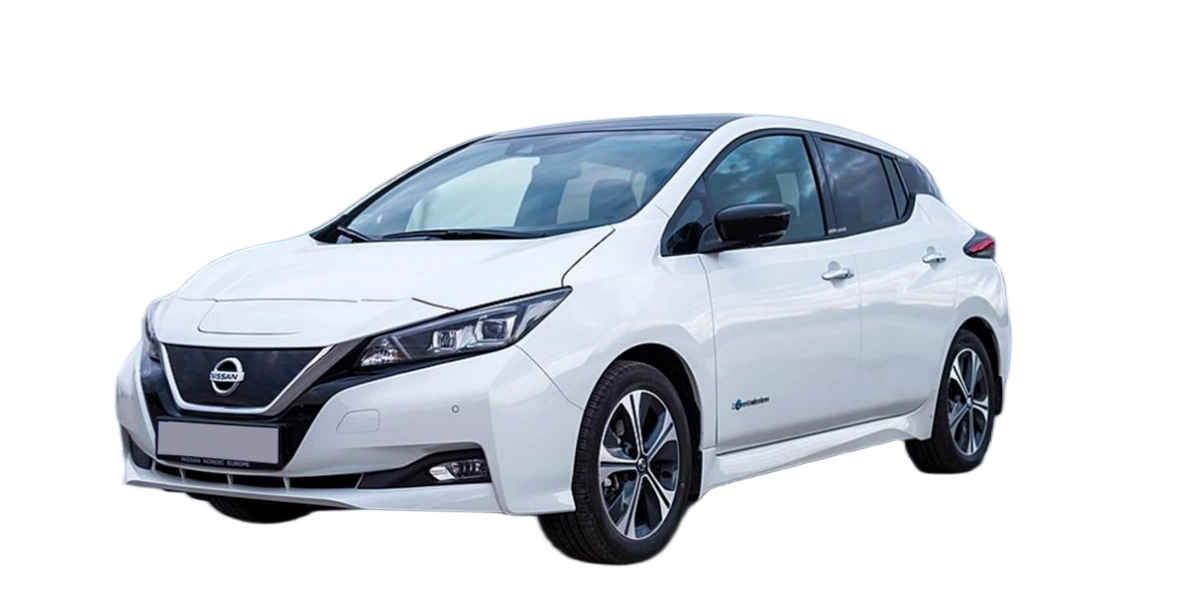
❄️ The Ultimate 2026 Winter Survival Guide for Nissan e-NV200 Combi 40kWh Owners in the UK
The UK winter is beautiful, but for electric vehicle (EV) owners, it can be a range anxiety nightmare. If you drive a Nissan e-NV200 Combi 40kWh, you know the struggle: that official 124-mile range can plummet to a stressful 80 miles or less when the temperature drops. As a professional EV battery solution provider, we understand your pain. This guide is designed to help you survive the cold months, maximize your range, and ensure your business keeps running smoothly.
📉 Why Does My e-NV200 Range Drop in Winter?
Before we dive into solutions, let’s understand the enemy. The 40kWh battery in your e-NV200 uses lithium-ion technology. Like all batteries, chemical reactions slow down in cold temperatures. This isn’t just about the heater running; it’s physics.
- Chemical Resistance: Cold weather increases the internal resistance of the battery cells, making it harder for them to discharge energy.
- Cabin Heating: Unlike petrol cars that use waste engine heat, your e-NV200 uses a heat pump (or resistive heater in older models), which is a massive drain on the 40kWh pack.
- Tire Pressure: Cold air causes tires to lose pressure, increasing rolling resistance and burning more battery.
Expert Tip: Pre-condition your battery while it’s still plugged in. This warms the cells to their optimal operating temperature (around 20-25°C) before you even leave the driveway, ensuring maximum efficiency from the first mile.
🛠️ 3 Proven Strategies to Extend Your Winter Range
You don’t have to let the cold dictate your schedule. Here are three actionable steps every e-NV200 owner should take this winter.
1. Master the Art of Pre-Conditioning
Your e-NV200 has a feature that allows you to heat the cabin and battery while it’s still connected to the charger. This is crucial because heating the battery using grid power is free (in terms of your driving range).
- How to do it: Use the NissanConnect app or set a timer on your car to start heating 15-30 minutes before your planned departure.
- The Benefit: You leave with a warm cabin and a warm battery, preserving every precious watt-hour in your 40kWh pack for the road.
2. Adopt “Eco-Driving” Techniques
In winter, aggressive driving is the enemy of range. The 40kWh battery is unforgiving of rapid acceleration.
- Smooth Acceleration: Accelerate gently to avoid high current draw.
- Anticipate Stops: Look far ahead and lift off the throttle early to maximize regenerative braking.
- Use e-Pedal (if equipped): This forces smooth driving and recaptures energy efficiently.
3. Maintain Optimal Tire Pressure
This is the cheapest upgrade you can make. For every 1 PSI drop in pressure, you lose range.
- Action: Check your tire pressure weekly during winter. Inflate to the higher end of the manufacturer’s recommendation (usually found on the driver’s door jamb).
🔋 The Long-Term Solution: Upgrading Your Battery Capacity
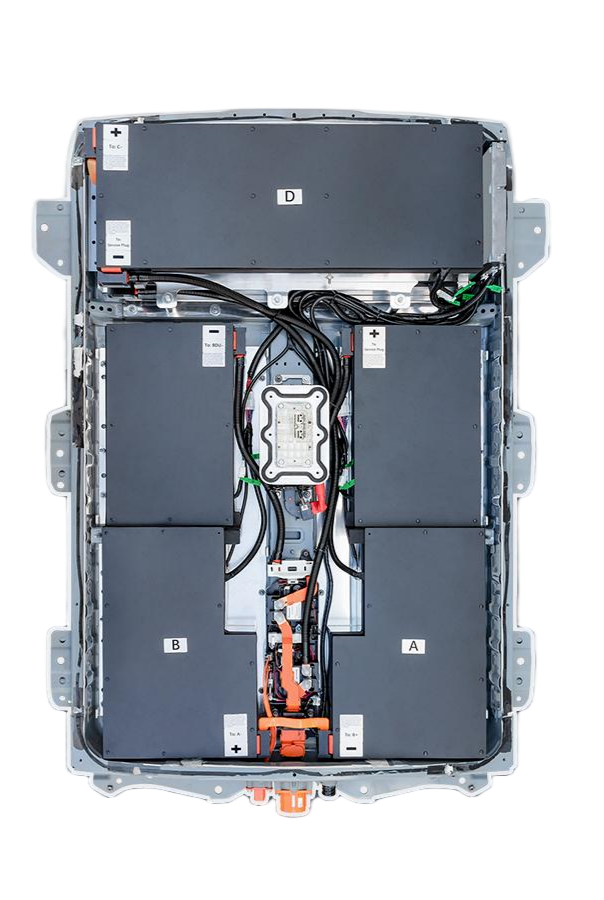
If you find that even with perfect driving habits, the 40kWh battery is limiting your winter operations, it might be time to consider a hardware upgrade. As experts in Nissan EV batteries, we often recommend looking beyond the stock limitations.
Why Upgrade?
The stock 40kWh battery was designed for a different era of EV technology. Modern lithium battery packs offer significantly higher energy density.
- Upgrade Path: Many of our customers in the UK upgrade their e-NV200 to a 50kWh or 62kWh lithium battery pack.
- The Winter Math: If a 40kWh battery gives you 80 miles in winter, a 62kWh battery gives you approximately 125 miles. That extra buffer is the difference between making your last delivery and getting stranded.
CNS BATTERY Solution:
We specialize in OEM-compatible battery modules for the Nissan e-NV200. Our packs use brand-new CATL battery cells, ensuring superior performance and safety compared to refurbished options. An upgrade isn’t just about summer range; it’s about winter peace of mind.
❓ Frequently Asked Questions (FAQ)
Q1: Can I install a larger battery in my e-NV200 without modifying the car?
Yes. Our upgraded battery packs are designed to meet OEM standards, including voltage, capacity, and interface matching. They are a direct replacement, requiring no modifications to the vehicle chassis or software.
Q2: How long does it take to install a new battery?
For a professional technician, installing a CNS battery typically takes 1-2 hours. We provide comprehensive installation guides and video call support to ensure a smooth process.
Q3: What is the warranty on your batteries?
We offer an unbeatable warranty of up to 2 years or 80,000 km (whichever comes first). This includes protection against defects and prorated coverage for performance degradation, ensuring your battery maintains at least 70% capacity.
📲 Don’t Let Winter Slow You Down
The Nissan e-NV200 is a fantastic workhorse, but the original 40kWh battery can be a bottleneck in the British winter. By combining smart driving habits with the possibility of upgrading to a higher-capacity lithium battery pack, you can transform your winter driving experience from stressful to seamless.
If you’re tired of range anxiety and want a reliable, long-lasting solution, we can help. Our team of technical experts is ready to assess your needs and provide a customized quote.