The Ultimate Guide to Affordable Leaf ZE0 68kWh Battery Replacement for Fleet Managers
As a fleet manager, your primary goal is to keep vehicles on the road while minimizing Total Cost of Ownership (TCO). For Nissan Leaf ZE0 owners, the original 24kWh or 30kWh batteries often result in “range anxiety,” forcing drivers to return to base for charging multiple times a day. This downtime kills efficiency. Upgrading to a 68kWh battery is the most effective way to double your operational range, but the sticker shock of Original Equipment Manufacturer (OEM) replacements can be prohibitive. This guide is specifically tailored for professionals like you, exploring how to source a high-quality, affordable Leaf ZE0 68kWh battery replacement without compromising on safety or reliability.
Why the 68kWh Upgrade is a Game-Changer for Fleets
The Nissan Leaf ZE0 (2011-2017 models) was a pioneer in the EV market, but its early battery technology is now outdated. For fleet operations, the math is simple: more kWh equals more miles, which equals fewer vehicles needed to cover the same ground.
- Doubling the Duty Cycle: The original ZE0 batteries offered a real-world range of roughly 70-100 miles. By upgrading to a 68kWh lithium battery pack, you effectively double that range to approximately 220-250 miles (depending on driving conditions). This allows a single vehicle to handle morning and afternoon shifts without recharging.
- Cost Efficiency: Purchasing a brand-new Leaf for your fleet costs upwards of $30,000. In contrast, a 68kWh battery replacement can revitalize an existing, paid-off ZE0 chassis for a fraction of that cost, often under $10,000.
- Standardized Maintenance: By upgrading your entire fleet to the same 68kWh specification, you simplify maintenance protocols and driver training. Everyone knows the expected range and charging schedule.
Finding the “Affordable” Sweet Spot: OEM vs. Refurbished vs. New
When searching for an affordable Leaf ZE0 68kWh battery replacement, you will encounter three main options. Understanding the trade-offs is crucial for making a decision that protects your investment.
- OEM (Original Manufacturer) Batteries: These are the most expensive, often priced at $15,000-$20,000. While reliable, they offer diminishing returns on investment for a vehicle that is already 7-10 years old.
- Refurbished/Second-Hand Batteries: These are cheap upfront but carry high risks. Used batteries have degraded cells, unknown charging histories, and are prone to swelling or sudden failure. The labor cost to replace a failed refurbished battery often negates the initial savings.
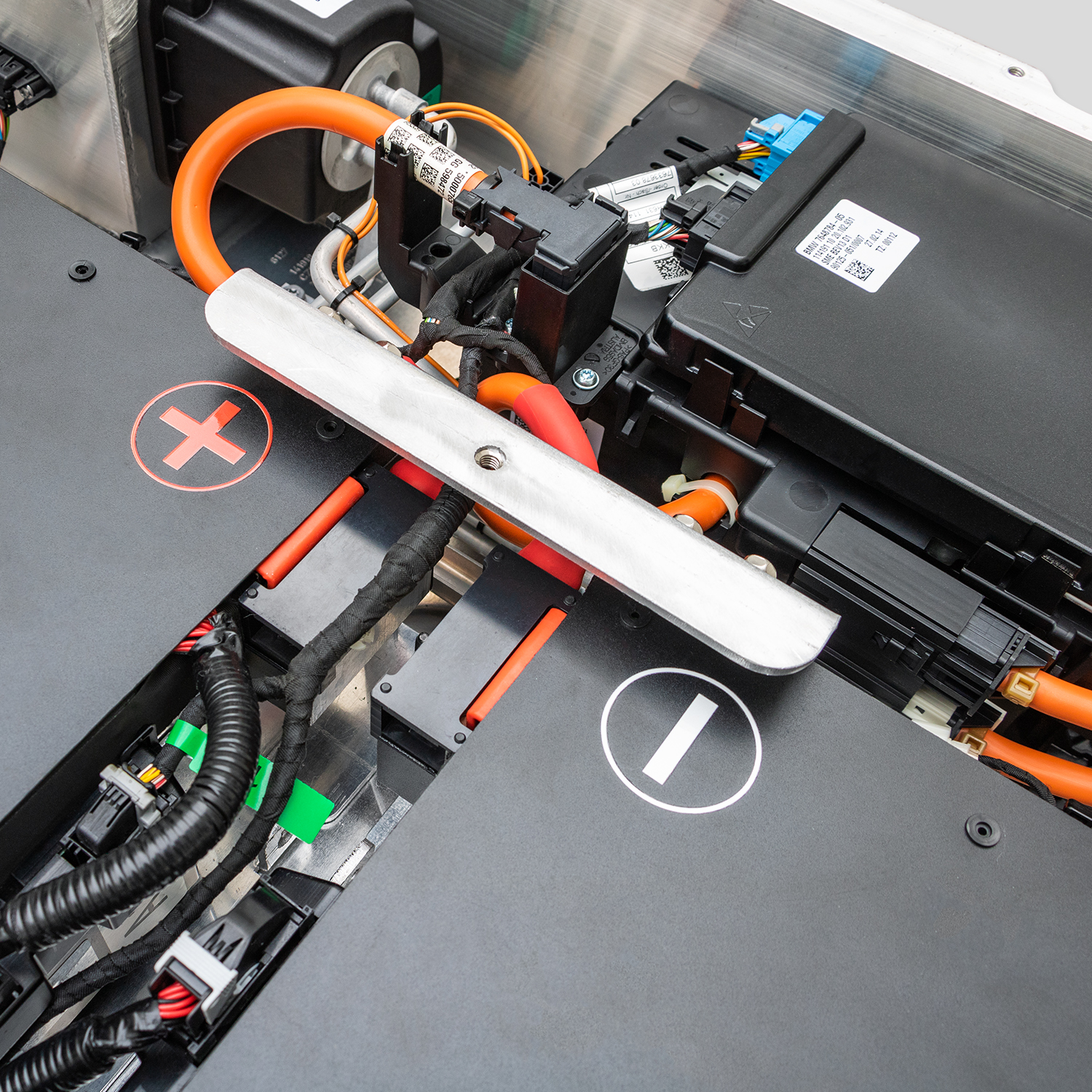
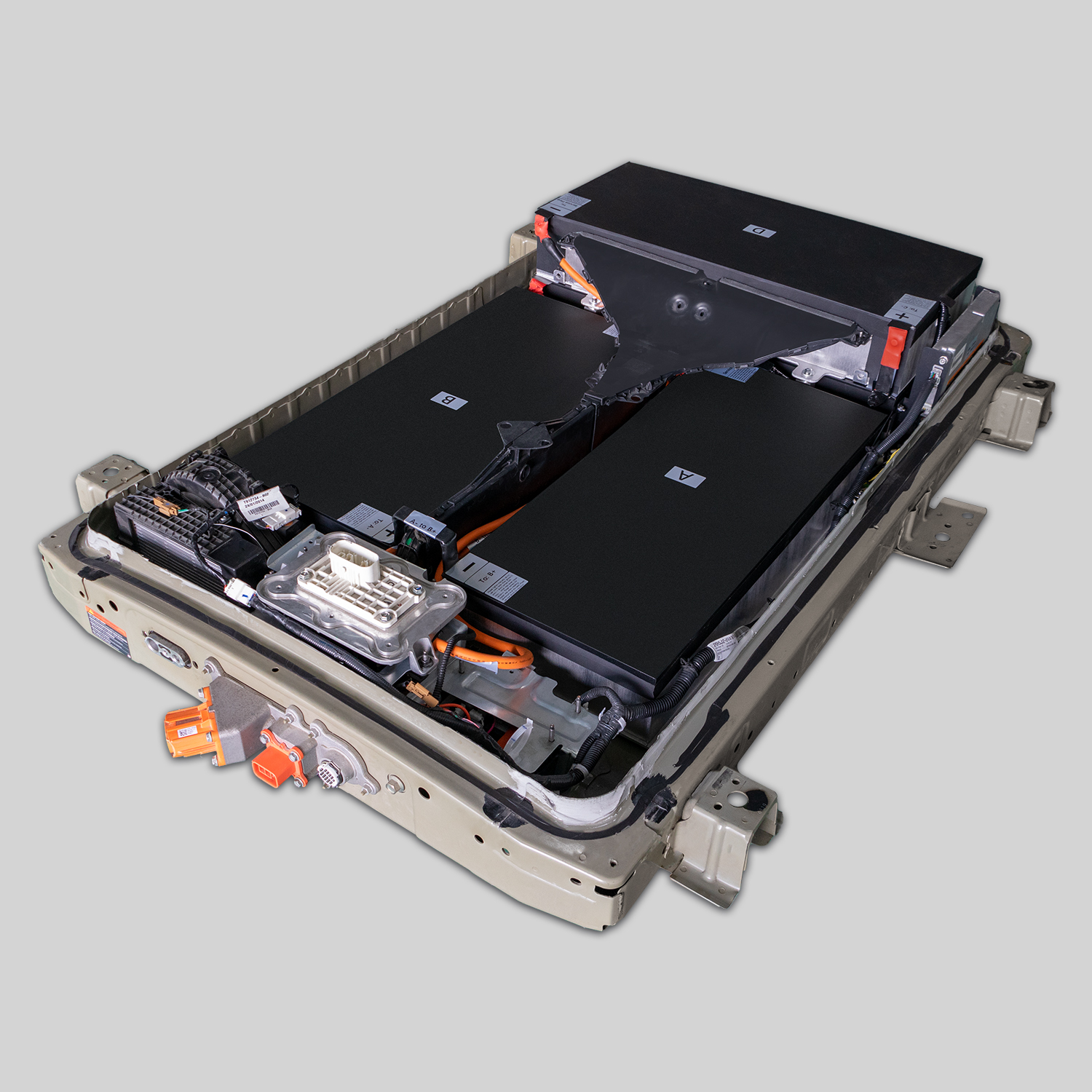
- New Third-Party (OEM-Compatible) Batteries: This is where the affordability meets quality. Companies like CNS BATTERY specialize in manufacturing new battery packs using brand-new CATL (Contemporary Amperex Technology Co. Limited) cells. These packs are engineered to meet OEM standards but are priced at roughly 50% less than the original manufacturer, making them the most cost-effective solution for high-mileage fleet operations.
The Technical Edge: Why New Cells Matter
For a fleet manager, “affordable” does not mean “cheap.” It means getting the most value and longevity per dollar spent. The core differentiator in a 68kWh battery replacement is the cell chemistry.
Using brand-new lithium cells ensures:
- Zero Cycle History: Unlike refurbished packs, a new pack starts at 100% State of Health (SOH).
- Thermal Stability: Modern cells have better thermal management, which is critical for fleets operating in extreme climates (hot summers or freezing winters).
- Longevity: A new 68kWh lithium battery pack can realistically last 8-10 years in a fleet setting, providing a stable ROI period.
Streamlining the Upgrade Process
Upgrading a fleet requires planning. Here is a streamlined approach to ensure a smooth transition:
- Audit Your Fleet: Identify which ZE0 units are structurally sound and worthy of the upgrade.
- Source Strategically: Look for manufacturers that offer bulk discounts and comprehensive warranties. A 2-year / 80,000 km warranty is a strong indicator of confidence in the product’s durability.
- Installation Protocol: While the upgrade is often a “plug-and-play” process for technicians, ensure your garage has the necessary diagnostic tools for BMS (Battery Management System) programming. Many suppliers offer remote video guidance to ensure a first-time fix.
Conclusion: Revitalize Your Fleet Today
Upgrading your Nissan Leaf ZE0 fleet to a 68kWh battery is not just about adding range; it is about unlocking the full potential of your existing assets. By choosing a high-quality, OEM-compatible solution, you achieve the perfect balance of performance, safety, and cost-efficiency. Do not let outdated batteries limit your fleet’s productivity. Explore your options for a reliable and affordable upgrade today.
Ready to calculate the savings for your fleet? Get a free, no-obligation quote for your Leaf ZE0 68kWh Battery Replacement and see how much you can save compared to OEM prices.
Get Your Free Custom Quote Now
Frequently Asked Questions (FAQ)
Q1: Is the 68kWh battery compatible with all Nissan Leaf ZE0 models?
A: The 68kWh upgrade is specifically designed for the Nissan Leaf ZE0 chassis (2011-2017 models). However, it is essential to verify the specific mounting points and connectors with the manufacturer, as there were minor variations within the ZE0 generation. A professional compatibility check using your VIN is recommended before purchase.
Q2: How long does the installation take for a fleet of vehicles?
A: For a professional technician, the physical installation of the battery pack typically takes 1-2 hours per vehicle. This includes removing the old pack, installing the new one, and reconnecting the harnesses. Additional time may be required for BMS programming and system diagnostics to ensure the vehicle recognizes the new capacity.
Q3: What kind of warranty should I expect with an affordable 68kWh replacement?
A: A reputable manufacturer should offer a warranty that reflects the quality of the product. Look for a minimum of a 2-year warranty or 80,000 km (whichever comes first). This coverage should include protection against defects in materials and workmanship, as well as performance degradation (e.g., guaranteeing the battery maintains at least 70% capacity over the warranty period).