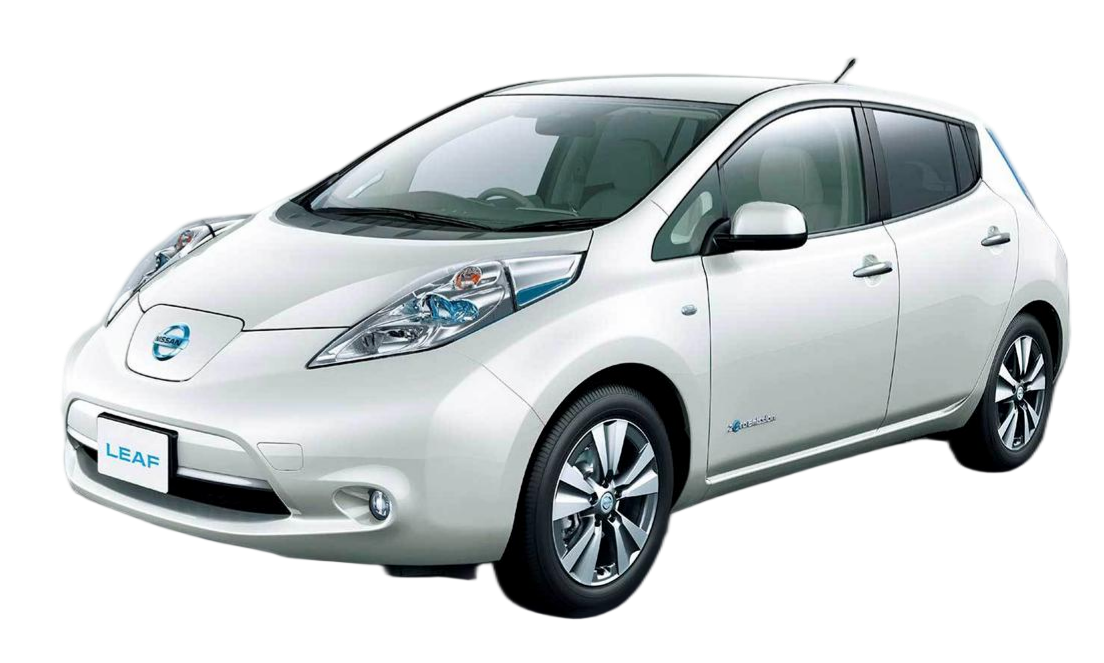
DIY Nissan Leaf Battery Swap: Everything You Need to Know
Is your Nissan Leaf struggling to keep up with daily commutes? Are you tired of staring at the dwindling battery bars and facing exorbitant dealership quotes for a replacement? You’re not alone. As an electric vehicle ages, the battery pack inevitably degrades. However, replacing the battery doesn’t have to mean bankruptcy.
As a leading manufacturer specializing in Nissan Leaf EV Batteries, CNS BATTERY has helped thousands of owners breathe new life into their vehicles. In this comprehensive guide, we will walk you through the entire process of a DIY Nissan Leaf battery swap, covering costs, safety protocols, and how to choose the perfect high-performance replacement that fits your budget.
🚗 Why Replace Your Nissan Leaf Battery?
The Nissan Leaf is an iconic vehicle in the EV revolution. However, after 8-10 years, the original lithium-ion cells often reach the end of their usable life. You might notice symptoms like reduced range, sudden power loss, or error codes on the dashboard.
While dealerships often quote prices exceeding $12,000 to $16,000, there is a more affordable solution. Third-party manufacturers like CNS BATTERY offer OEM-compatible battery packs that save you over 50% in costs while maintaining the highest safety standards. For example, Mark T. from California upgraded his 2015 Leaf from a degraded 40kWh to a brand new 62kWh battery for just $7,800, effectively doubling his range without the sticker shock.
⚡️ Choosing the Right Battery: Nissan Leaf ZE0, ZE1, or AZE0?
Before you start the swap, you must identify your specific Leaf model. Nissan produced several iterations, and compatibility is crucial.
| Model Series | Common Years | Key Features |
|---|---|---|
| Nissan Leaf ZE0 | 2011 – 2015 | The original generation. Often upgraded to higher kWh for better range. |
| Nissan Leaf AZE0 | 2016 – 2018 | Introduced the 30kWh and 40kWh options. A popular candidate for DIY swaps. |
| Nissan Leaf ZE1 | 2018+ | Includes the 40kWh, 62kWh, and e+ variants. Known for improved thermal management. |
At CNS BATTERY, we engineer packs specifically for these platforms using brand-new CATL cells. Unlike refurbished or recycled batteries that use old, degraded cells, our packs offer a “zero-failure” guarantee and a lifespan that far exceeds the original factory specifications.
🛠️ Step-by-Step: How to Swap Your Leaf Battery (DIY Guide)
Swapping a battery is a significant mechanical task, but it is entirely doable in your garage with the right tools and precautions. Here is a simplified breakdown of the process.
1. Preparation and Safety
- Disconnect Power: Always start by disconnecting the 12V auxiliary battery to cut all power to the vehicle.
- Gear Position: Ensure the car is in “Park” and the handbrake is securely engaged.
- Tools Needed: You will need a hydraulic jack, jack stands, wrenches, and insulated gloves.
2. Removing the Old Pack
- Lift the Vehicle: Safely jack up the car and secure it on stands. The battery is located under the cabin floor.
- Remove Undertray: Unscrew the plastic undertray to expose the battery bolts.
- Disconnect Cables: Carefully disconnect the high-voltage positive and negative cables, followed by the signal and temperature sensor connectors. Tip: Take photos during disconnection to remember the wiring layout.
3. Installing the New CNS Battery
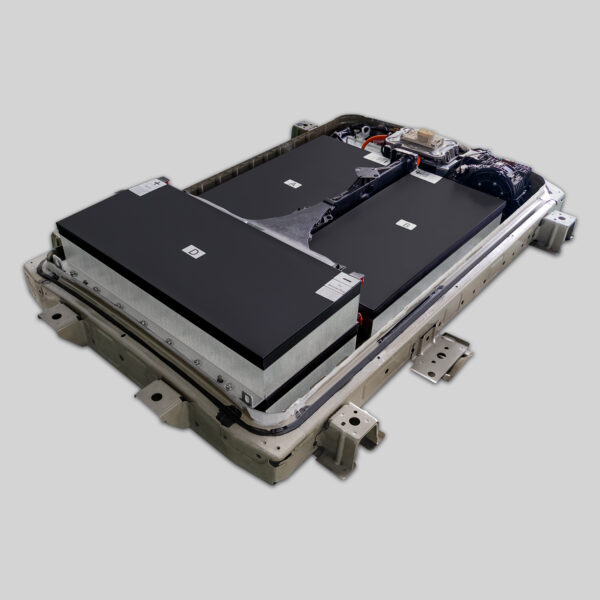
- Lower the New Pack: Using a transmission jack (highly recommended due to the weight), slide the new CNS Battery Pack into place.
- Reconnect: Attach the high-voltage cables and signal connectors. Ensure the connections are tight and secure.
- Reassembly: Replace the undertray and lower the vehicle.
4. Programming and Testing
This is the most critical step. Modern EVs require the Battery Management System (BMS) to be programmed to recognize the new cells. If you encounter issues here, CNS offers free remote video guidance from our technical experts to walk you through the programming process, ensuring a successful first-try integration.
Pro Tip: Tom H. from Texas successfully completed his swap by following our detailed installation videos. He noted that while the physical swap took about 2 hours, the remote support from our team resolved a minor programming hiccup in just 5 minutes.
📈 Benefits of Upgrading with CNS BATTERY
Why choose a CNS replacement over other options? The answer lies in value and reliability.
- Cost Efficiency: Save up to 50% compared to OEM prices. For less than the cost of a used car down payment, you get a brand-new powertrain.
- Extended Warranty: We back our confidence with a 2-year / 80,000 km warranty, which surpasses many industry standards. This covers manufacturing defects and ensures your battery maintains at least 70% capacity.
- Performance Boost: Many of our customers, like Javier R. in France, choose to upgrade their kWh rating (e.g., from 40kWh to 68kWh). This not only restores the vehicle but actually increases the driving range beyond the original factory specifications.
📋 Pre-Swap Checklist
Before you hit the “Submit” button for your new battery, ensure you have everything in order:
- VIN Compatibility Check: Every vehicle is slightly different. Contact our technical experts with your VIN to confirm the perfect fit.
- Budget Planning: Factor in the cost of the battery, shipping, and any potential tools you might need to rent.
- Time Allocation: Set aside a full day (approximately 4-6 hours) for the entire process, including draining and refilling coolant if necessary.
❓ Frequently Asked Questions (FAQ)
Q1: Is it safe to do a DIY battery swap on a Nissan Leaf?
Yes, it is safe if you follow proper protocols. The key is to disconnect the 12V battery first to de-energize the system. The physical pack itself is safe to handle when disconnected. If you are unsure about the BMS programming, our team provides free remote support to guide you safely.
Q2: How much does a Nissan Leaf battery replacement cost?
Dealership replacements typically cost between $12,000 and $16,000. A high-quality, brand-new CNS BATTERY pack costs approximately $7,800 to $8,200, offering the same performance and safety at half the price.
Q3: How long does the installation take?
For a professional technician, the swap usually takes 1-2 hours. For a DIYer, we recommend setting aside a full day to account for preparation, the physical swap, and the programming phase.
Q4: What is the warranty on a CNS Battery?
We offer a comprehensive 2-year / 80,000 km warranty. This covers defects in materials and workmanship and guarantees that the battery will retain at least 70% of its capacity during this period.
Q5: Can I upgrade my Leaf’s range during the swap?
Absolutely. Many of our customers choose to upgrade their kWh rating (e.g., from 40kWh to 62kWh or 68kWh). This requires a compatibility check, but it is a popular way to future-proof your vehicle and significantly increase your daily driving range.
Ready to revive your Nissan Leaf? Don’t let a dead battery end your EV journey. Contact our experts today for a free compatibility assessment and get your car back on the road with a brand-new, high-performance battery.