Why Your Nissan e-NV200 Thermal Management is Failing and How to Repair It
If you own a Nissan e-NV200, you know it is a reliable workhorse for both commercial and personal use. However, as these vehicles age, one of the most critical systems owners face is the battery thermal management system. When this fails, it is not just an inconvenience; it is a threat to your battery’s lifespan and your vehicle’s performance.
At CNS BATTERY, we have spent over a decade analyzing thousands of Nissan EV packs. We understand that a failing thermal system is often the root cause of “range anxiety” and dashboard warning lights. This guide will walk you through why your e-NV200 cooling system might be failing and how to fix it permanently.
🌡️ Why Does the e-NV200 Battery Overheat?
The Nissan e-NV200 uses a lithium-ion battery pack similar to the Nissan Leaf. While robust, this design relies heavily on active thermal management to maintain the optimal temperature range (typically between 20°C and 35°C).
1. Coolant Pump and Flow Issues
The most common mechanical failure is the coolant pump. If the pump seizes or loses pressure, coolant cannot circulate through the battery plates. This results in “hot spots” within the pack.
2. Degraded Thermal Interface Material
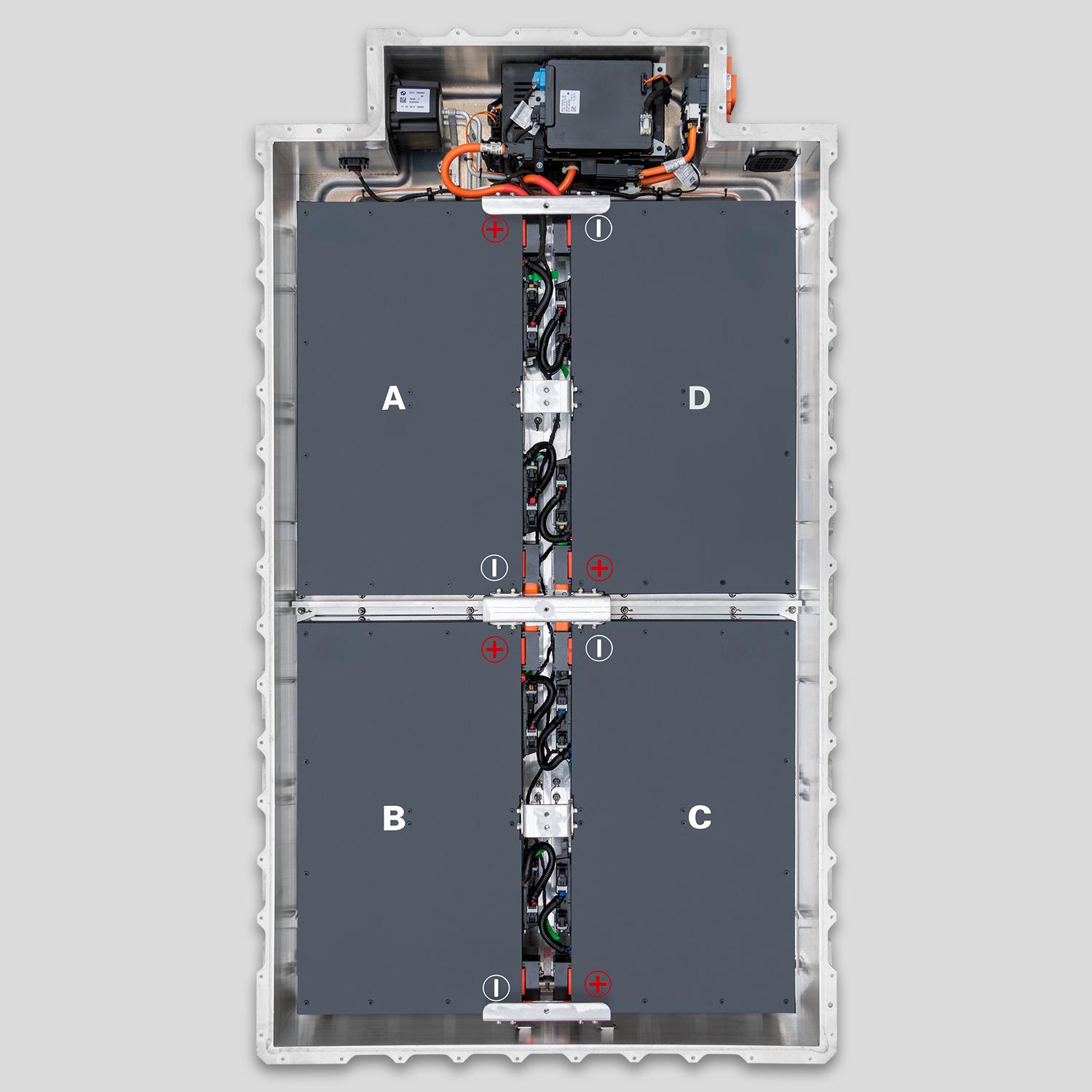
Between the battery cells and the cooling plates lies a thermal interface material (TIM). Over time (usually after 5-8 years), this material dries out, cracks, or loses adhesion. This creates an air gap, acting as an insulator rather than a conductor of heat.
3. Sensor and BMS Faults
The Battery Management System (BMS) relies on temperature sensors to regulate cooling. If these sensors drift out of calibration or fail, the BMS might not trigger the cooling fan or pump, leading to overheating.
🛠️ How to Diagnose Thermal Failure
Before you consider a full replacement, you need to confirm the diagnosis. Here is a professional checklist:
- Check the Dashboard: Look for the red battery warning light or the “Turtle” (reduced power) light.
- Scan for DTCs: Use an OBD2 scanner to check for Diagnostic Trouble Codes (DTCs). Look specifically for codes related to:
- BTMP (Battery Temperature Sensor)
- Coolant Pump Control
- High Voltage System Isolation
- Visual Inspection: Check the coolant reservoir for low levels or contamination. Inspect the radiator and condenser fins for blockages (leaves, bugs, debris).
🔄 The Ultimate Repair: When to Repair vs. When to Replace
Many owners attempt DIY fixes, such as flushing the coolant or replacing the pump. While this can work temporarily, if the thermal pads are degraded, the problem will return.
The definitive repair is a battery pack replacement.
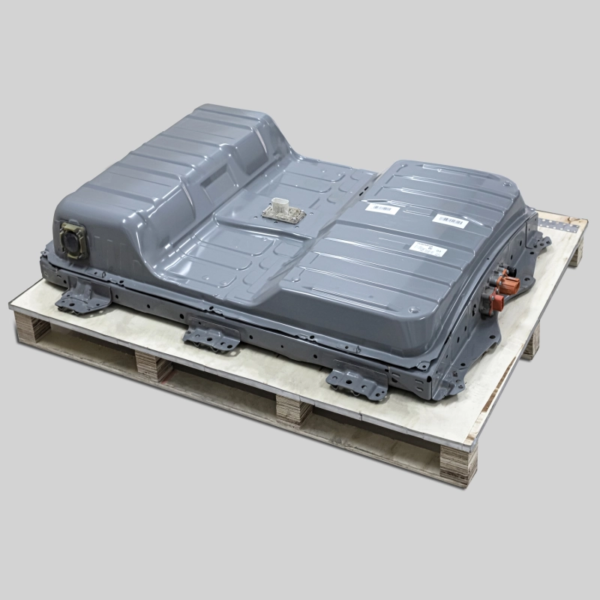
Based on our experience at CNS, upgrading to a brand-new 40kWh or 50kWh Lithium Battery Pack is the most cost-effective solution in the long run. Unlike refurbished packs that retain old thermal issues, a new pack starts with fresh thermal interface material and a robust cooling design.
✅ The CNS BATTERY Advantage for e-NV200 Owners
We specialize in OEM-compatible solutions designed to solve the thermal pitfalls of the original design.
- Superior Thermal Design: Our packs utilize advanced new thermal interface materials that maintain conductivity far better than the aging stock components.
- Brand New CATL Cells: We do not use recycled or degraded cells. Our batteries use fresh cells from CATL (Contemporary Amperex Technology Co. Limited), one of the world’s largest and most reliable battery manufacturers, ensuring stable internal resistance and less heat generation.
- Plug-and-Play Compatibility: No modifications are needed. Our packs fit the e-NV200 chassis perfectly and communicate seamlessly with your existing BMS.
📈 Performance After the Fix
When you replace a failing thermal system with a new CNS battery, the performance boost is immediate.
| Metric | Old/Failed System | New CNS 50kWh Battery |
|---|---|---|
| Real-World Range | Degrading (<150km) | 348km+ |
| Thermal Efficiency | Low (Hot spots) | High (Uniform cooling) |
| Warranty | N/A or Void | 2 Years / 80,000 km |
Data based on user reports and standard testing conditions.
As Thomas B. from Amsterdam reported after his upgrade: “Even in the high temperature of 38°C, the battery didn’t experience any overheating protection issues; the discharge was very stable.”
📝 Step-by-Step Repair Guide
If you have decided to replace your battery, follow these steps to ensure a safe and successful installation:
- Safety First: Disconnect the vehicle’s 12V auxiliary battery and wait at least 10 minutes to let the capacitors discharge.
- Drain the Coolant: Carefully drain the old coolant from the battery loop to prevent spills.
- Remove the Old Pack: Disconnect the high-voltage connectors and unbolt the battery modules. Warning: Do not puncture the cells.
- Install the New CNS Pack: Lower the new pack into place. Ensure the cooling pipes are not kinked.
- Bleed the System: Refill the coolant and bleed the air from the system to ensure maximum thermal contact.
- System Check: Reconnect the 12V battery and start the car. Check for error codes and verify the battery temperature readings are stable.
Expert Tip: If you are not comfortable with high-voltage systems, we offer remote video guidance. Our technical team can walk you through the installation via Zoom or WhatsApp to ensure everything is connected correctly.
💡 Conclusion
A failing thermal management system in your Nissan e-NV200 does not have to mean the end of your vehicle’s life. By understanding the root causes—pump failure, dried thermal paste, and sensor drift—you can make an informed decision.
While patch repairs exist, the most reliable way to restore your range and safety is with a brand-new, high-quality replacement battery. At CNS, we provide 40kWh and 50kWh lithium battery packs specifically designed for the e-NV200, built with the latest CATL cells and superior thermal management to keep you driving smoothly for years to come.
Stop struggling with overheating and range loss. Get a Free Custom Quote for your Nissan e-NV200 battery replacement today.
❓ Frequently Asked Questions (FAQ)
Q1: Can I just replace the thermal pads in my existing e-NV200 battery?
While technically possible, we do not recommend it. Replacing thermal pads requires disassembling the entire high-voltage pack, which is dangerous without professional equipment. Furthermore, if the cells are already degraded (which usually happens alongside thermal failure), new pads will not restore your range. A complete pack replacement is safer and more effective.
Q2: How much does it cost to fix the thermal management system?
Repairing just the pump or radiator might cost a few hundred dollars, but this often does not solve the core heat dissipation issue. Replacing the entire battery pack with a CNS solution costs approximately 50% less than buying a new OEM battery from a dealership, offering the best long-term value.
Q3: What is the warranty on your e-NV200 batteries?
We stand by our quality. All CNS Automotive Batteries come with a minimum 2-year or 80,000 km warranty (whichever comes first). This covers defects in materials and workmanship, including protection against significant capacity degradation.
Q4: How long does the installation take?
For a professional technician, installing a CNS battery typically takes 1 to 2 hours. We provide step-by-step installation videos and manuals to make the process as smooth as possible.