🛑 The Silent Killer of Your e-NV200 Evalia: Why Thermal Management Fails & How to Fix It
The internal combustion engine is dead. Long live the electric motor.
For owners of the Nissan e-NV200 Evalia, this transition is no longer a futuristic dream—it is the reality of daily logistics and family transport. However, as these vehicles age, a critical component often becomes the Achilles’ heel of the powertrain: the Thermal Management System (TMS). When this system fails, it doesn’t just trigger a warning light; it forces the Battery Management System (BMS) into “Limp Mode,” drastically cutting power and leaving you stranded. As a technical expert at CNS BATTERY, I have analyzed thousands of teardowns. I can tell you with certainty: the failure is rarely random. It is usually the result of degradation in specific components. This guide will explain why it happens and, more importantly, how to repair it permanently.
🌡️ Why Does Your e-NV200 Evalia Overheat?
The e-NV200 Evalia utilizes a sophisticated liquid-cooling system designed to keep the 24kWh or 40kWh lithium-ion pack within a safe operating window (typically 15°C to 35°C). When the thermal management fails, the battery cells are subjected to “thermal runaway” conditions, even if it is just a temporary spike.
The Three Primary Causes of Failure:
- Coolant Degradation & Contamination: The ethylene glycol mixture used in the Nissan system breaks down over time (usually after 5-7 years). This creates acidic byproducts that corrode the aluminum cooling plates inside the battery pack.
- Pump & Valve Seizure: The high-voltage cooling pump relies on magnetic couplings and bearings. Without regular maintenance, these seize due to rust or sludge, stopping coolant circulation entirely.
- Sensor Drift: The NTC (Negative Temperature Coefficient) sensors embedded in the modules lose calibration. The BMS reads “Critical Overheat” when the battery is actually at a safe temperature, forcing a shutdown to protect the cells.
🛠️ The Repair Process: Beyond Just “Topping Up”
Simply adding more coolant to a failed e-NV200 Evalia system is often a waste of time. If the TMS has failed, the internal damage is usually already done. Here is the professional diagnostic and repair flow we recommend.
Step 1: The Pressure Test
Before opening the battery pack, you must check the external loop. Disconnect the hoses at the front of the vehicle (near the radiator) and connect a pressure tester.
- Result: If the system holds pressure, the external hoses and radiator are intact.
- Result: If it leaks, you have found the culprit—usually a cracked hose or a leaking radiator seal.
Step 2: The Internal Inspection (The Critical Part)
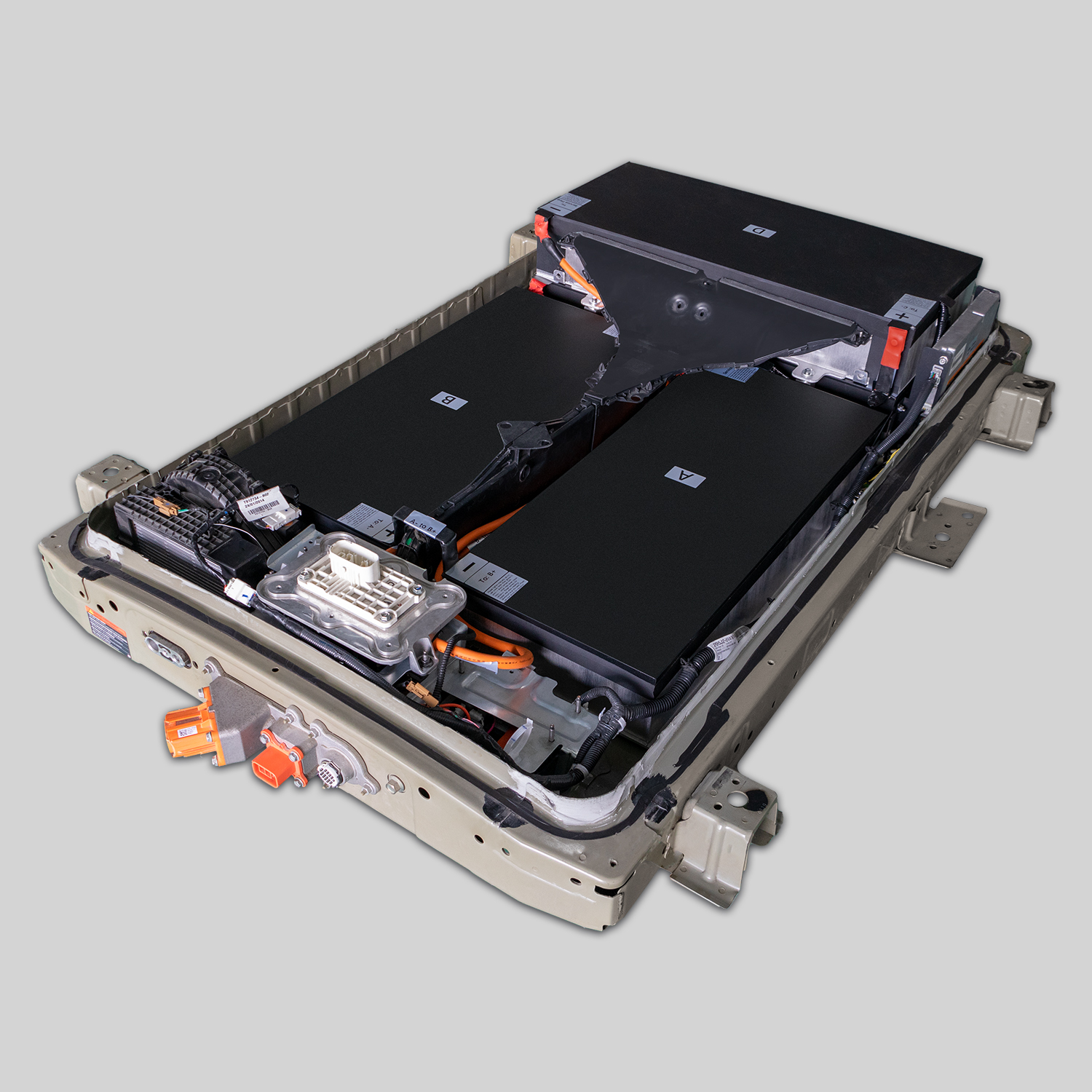
If the external loop is fine, the problem is inside the battery pack. This requires opening the Battery Enclosure.
- Inspect the Plates: Look for white crystalline deposits or pinhole leaks in the cooling plates. These are caused by electrolyte leakage mixing with the coolant.
- Inspect the Pump: Manually spin the impeller. If it is stiff or makes a grinding noise, the pump is hydro-locked.
Step 3: The “Band-Aid” vs. The “Cure”
Many workshops will simply bypass the cooling system, hoping the ambient air will suffice. This is a fatal mistake for the e-NV200 Evalia. Unlike the Nissan Leaf, which has some passive cooling capability, the e-NV200 relies entirely on active liquid management. Bypassing it will result in complete battery degradation within 6 months.
💡 The Ultimate Solution: A Complete TMS Overhaul
If your e-NV200 Evalia’s thermal management system has failed beyond repair, the only long-term solution is a complete replacement of the Battery Pack or the Cooling Module.
At CNS BATTERY, we specialize in OEM-compatible replacements for the Nissan e-NV200 Evalia. Our solution isn’t just about swapping a part; it is about upgrading the technology.
Why our replacement packs solve the thermal failure issue permanently:
- New Cooling Plates: Every pack we manufacture uses brand-new, corrosion-resistant cooling plates. We do not reuse salvaged parts that are prone to future leaks.
- Upgraded Chemistry: While the original e-NV200 used older NMC chemistry, our packs utilize the latest CATL lithium-ion cells. These cells have a higher thermal threshold and better cycle life, meaning they generate less heat during operation.
- Reinforced Housings: We use reinforced ABS+PC housing materials that are less prone to warping under high thermal stress compared to the original factory plastic.
Expert Insight: We often see customers trying to repair a single “bad module” while ignoring the TMS. This is a false economy. If the cooling system is compromised, the new module will fail in the same way the old one did. Always address the thermal system when replacing modules.
📈 Upgrade Your Range & Reliability: The 40kWh Option
If you are facing a thermal management failure, it might be the perfect time to consider an upgrade. The original e-NV200 Evalia was limited to 24kWh or 30kWh in some markets. However, our engineering team has developed a 40kWh upgrade kit specifically compatible with the e-NV200 chassis.
The Benefits of the 40kWh Upgrade:
- Double the Range: Go from roughly 100 miles to over 170 miles on a single charge.
- Integrated TMS: The 40kWh pack comes with a completely redesigned thermal management system featuring a more robust pump and larger heat exchanger capacity.
- Same Footprint: It fits perfectly in the existing chassis without any modification to the vehicle body.
This upgrade is not just a repair; it is a transformation of your vehicle’s capability. For commercial users, this means fewer charging stops and more deliveries per day.
📋 Frequently Asked Questions (FAQ)
1. Can I repair the thermal management system myself?
While checking coolant levels and external hoses is within the scope of a competent DIYer, opening the high-voltage battery pack is extremely dangerous. The risk of electrocution or causing a short circuit that leads to fire is high. We strongly recommend professional servicing. If you are looking for a safe, plug-and-play solution, contacting our technical experts for a pre-tested replacement pack is the safest route.
2. How much does it cost to fix the thermal management failure?
Repairing the internal cooling plates and pump at a specialized workshop can cost between $2,000 and $4,000 USD, depending on labor rates. This is often close to the cost of a used replacement pack. Our new CNS BATTERY packs start at a fraction of this cost, offering a better value proposition and a longer warranty.
3. What happens if I ignore the thermal management warning?
Ignoring the warning light is the fastest way to kill your battery. The BMS forces the car into “Limp Mode” to save the cells. If you bypass this safety feature (which some try to do), the cells will overheat, swell, and permanently lose capacity. In severe cases, it can lead to a thermal event.
4. Are CNS BATTERY packs compatible with the e-NV200 Evalia TMS?
Yes, absolutely. Our packs are engineered to OEM specifications. The wiring harnesses, CAN bus communication protocols, and Thermal Management System connectors are 100% identical to the original Nissan specifications. There is no coding or modification required; it is a true bolt-on replacement.
🛑 Stop the Cycle of Failure
The e-NV200 Evalia is a robust vehicle, but its Achilles’ heel is the aging thermal management system. If you are facing a failure, do not settle for a temporary patch. You need a solution that addresses the root cause: degraded coolant channels and failing pumps.
Don’t let a faulty cooling system kill your investment. Contact us today for a free quote on a brand-new, thermal-ready battery pack.