The Future of e-NV200 Evalia in USA: Battery Swaps vs New Sales
The Nissan e-NV200 has carved out a dedicated niche in the US commercial delivery and urban transport market. However, as the electric vehicle (EV) landscape evolves, owners face a critical crossroads: Is it better to swap your aging battery or sell the vehicle for a new model?
This decision isn’t just about cost; it’s about maximizing the utility of a vehicle that has proven its reliability. As a specialist in Nissan EV batteries, we understand the unique value of the e-NV200. This guide breaks down the economics, technology, and future viability of battery swapping versus trading in, helping you make an informed decision that aligns with your budget and operational needs.
Why the e-NV200 Evalia Still Matters in 2026
Before diving into the battery debate, it’s essential to recognize why the e-NV200 remains relevant. Unlike the standard Nissan Leaf, the e-NV200 is built for work. Its high roof, sliding side doors, and low load floor make it a favorite for last-mile delivery fleets and tradespeople.
However, the Achilles’ heel of any EV is battery degradation. As your e-NV200 ages, you might notice a significant drop in range. The key question is: Does a degraded battery mean the end of the road for your van? The answer is a definitive no.
The Case for Battery Swapping: Reviving Your Workhorse
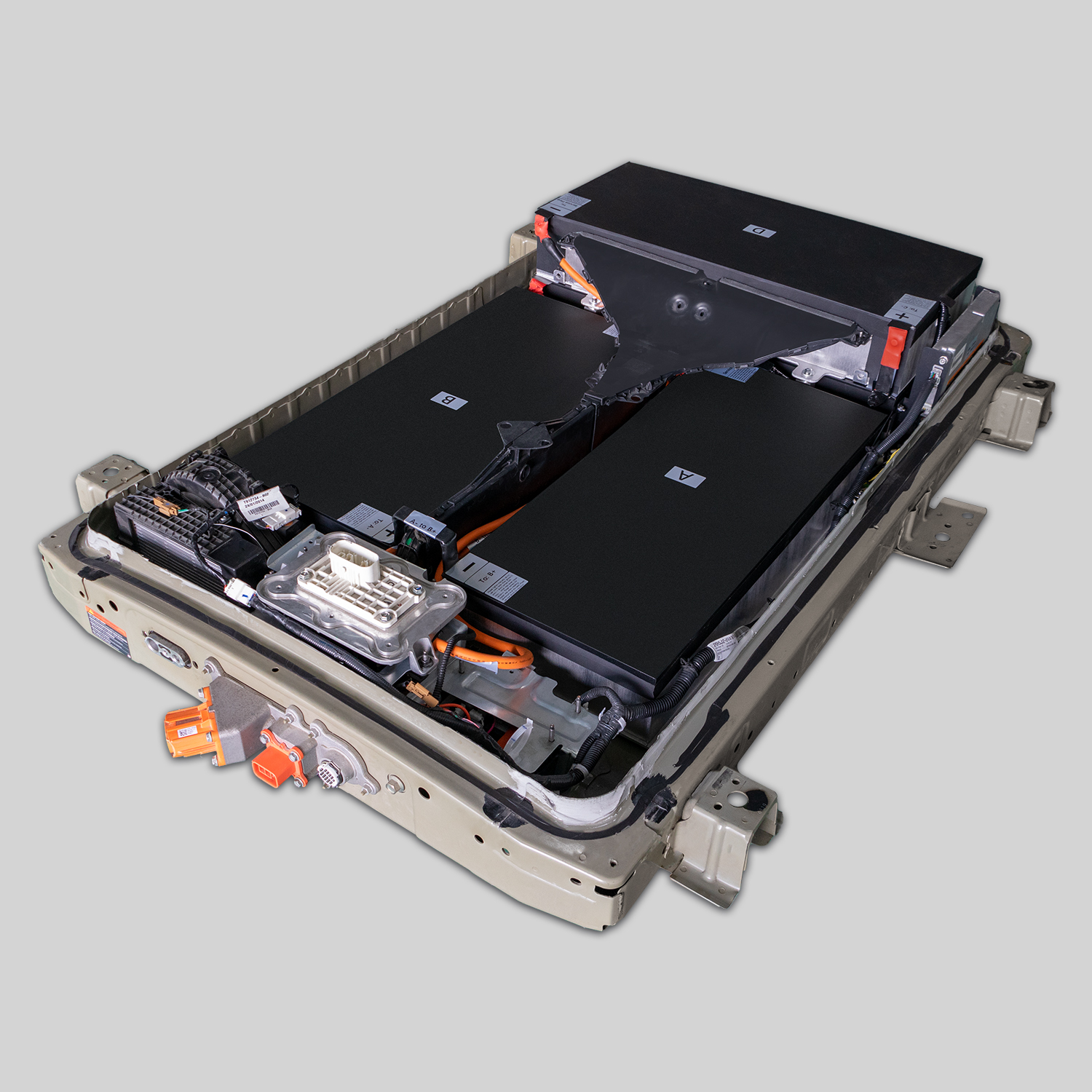
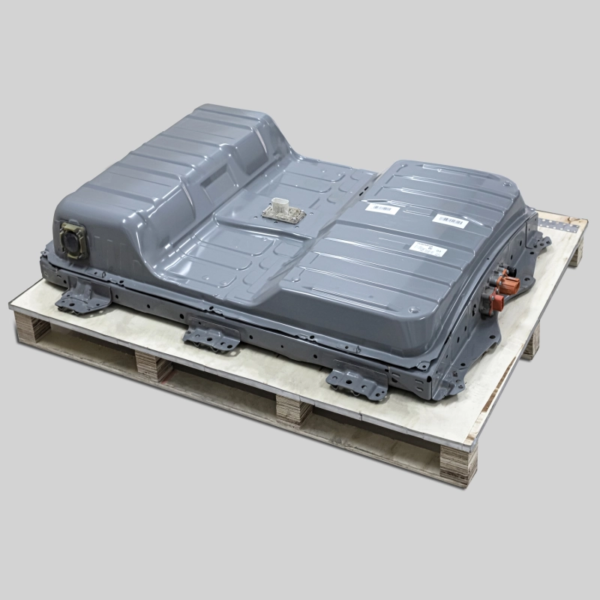
Battery swapping—replacing the old pack with a new or refurbished unit—is emerging as the most sustainable and cost-effective solution for e-NV200 owners.
1. Economic Superiority
Replacing a battery is significantly cheaper than buying a new car. The cost of a new e-NV200, or even a comparable used EV, can be prohibitive. In contrast, a battery replacement can restore your vehicle to 90% of its original performance at a fraction of the price.
2. Environmental Responsibility
Battery production has a substantial environmental footprint. By extending the life of your existing vehicle through a battery swap, you are reducing waste and promoting a circular economy. You are keeping a functional chassis on the road rather than contributing to the growing pile of “dead” EVs.
3. Technological Advancements
Modern replacement batteries, like those offered by industry leaders, often utilize newer chemistry and higher energy density cells than the original factory packs. This means that a swap could potentially increase your range beyond the original factory specifications.
Expert Insight: A battery swap is not just a repair; it’s an upgrade. It transforms your older model into a vehicle that meets modern efficiency standards.
The Reality of New Sales: Is It Worth the Upgrade?
While new EVs boast the latest technology, the financial math often doesn’t favor trading in a functional e-NV200.
1. Depreciation Hit
New EVs depreciate rapidly in the first few years. By selling your e-NV200 to buy a new model, you are absorbing this depreciation loss. Furthermore, the resale value of older e-NV200 models with degraded batteries is plummeting, making the trade-in option financially unattractive.
2. Supply Chain Constraints
The global supply chain for new EVs remains volatile. Long waiting lists and fluctuating prices make the “new car” dream less appealing. In contrast, the battery replacement market offers immediate solutions with shorter lead times.
3. Feature Bloat vs. Utility
Newer models often come with features that commercial users don’t need (like massive infotainment screens or autonomous driving features). The e-NV200 is a utilitarian tool. For many users, the simplicity of the older model is its greatest asset.
Making the Decision: Swap vs. New
To help you decide, we have compiled a comparison of the two options based on key factors:
| Feature | Battery Swap | New Vehicle Purchase |
|---|---|---|
| Upfront Cost | Low (Approx. 30-50% of new battery price) | Very High (MSRP + Taxes + Fees) |
| Environmental Impact | Low (Reuses chassis) | High (New raw material extraction) |
| Downtime | Moderate (1-2 days for installation) | High (Waiting for delivery + transfer) |
| Customization | High (Can upgrade capacity) | Low (Fixed by manufacturer) |
| Warranty | Varies by provider (Often 2+ years) | Standard Manufacturer Warranty |
Why Choose a Professional Battery Replacement?
If you decide to swap, choosing the right battery is crucial. Generic or low-quality replacements can lead to safety issues and poor performance. Here is why a professional solution is essential:
1. OEM Compatibility
A professional replacement ensures that the battery fits your e-NV200’s specific chassis and electronics. This compatibility is vital for the vehicle’s safety systems and battery management system (BMS) to function correctly.
2. Safety Standards
Reputable providers adhere to strict safety protocols. This includes using high-quality cells from top-tier manufacturers (like CATL) and rigorous testing to prevent thermal runaway and ensure long-term reliability.
3. Warranty Protection
A professional battery swap comes with a comprehensive warranty. This protects you against defects and ensures that you have support if issues arise.
Frequently Asked Questions
Q1: Is it cheaper to replace a battery or buy a new car?
Generally, replacing the battery is significantly cheaper. The cost of a new battery is often 30-50% of the cost of a new vehicle, and you avoid the depreciation hit associated with buying new.
Q2: Can I install the battery myself?
While it is technically possible, we strongly recommend professional installation. High-voltage systems are dangerous, and improper installation can void warranties or cause safety hazards.
Q3: How long does a new battery last?
A high-quality replacement battery can last for 8-10 years or more, depending on usage patterns and maintenance. Most professional batteries come with a 2-year or 80,000 km warranty.
Q4: Will a battery swap improve my range?
Yes. Modern replacement batteries often use higher energy density cells than the original factory packs, potentially increasing your range by 10-20%.
Q5: Are there any tax incentives for battery swaps?
Currently, most tax incentives are geared towards new EV purchases. However, the long-term savings from a battery swap often outweigh the lack of immediate tax breaks.
Conclusion
The future of the Nissan e-NV200 in the USA is not about obsolescence; it is about adaptation. Battery swapping represents a sustainable, cost-effective path forward that allows owners to continue utilizing a proven platform. While new sales offer the latest technology, the economic and environmental benefits of a battery swap make it the superior choice for most commercial and individual users.
If you are ready to revive your e-NV200 and extend its service life, we are here to help. Our team of experts can guide you through the process of selecting the right battery for your needs, ensuring a seamless transition back to the road.