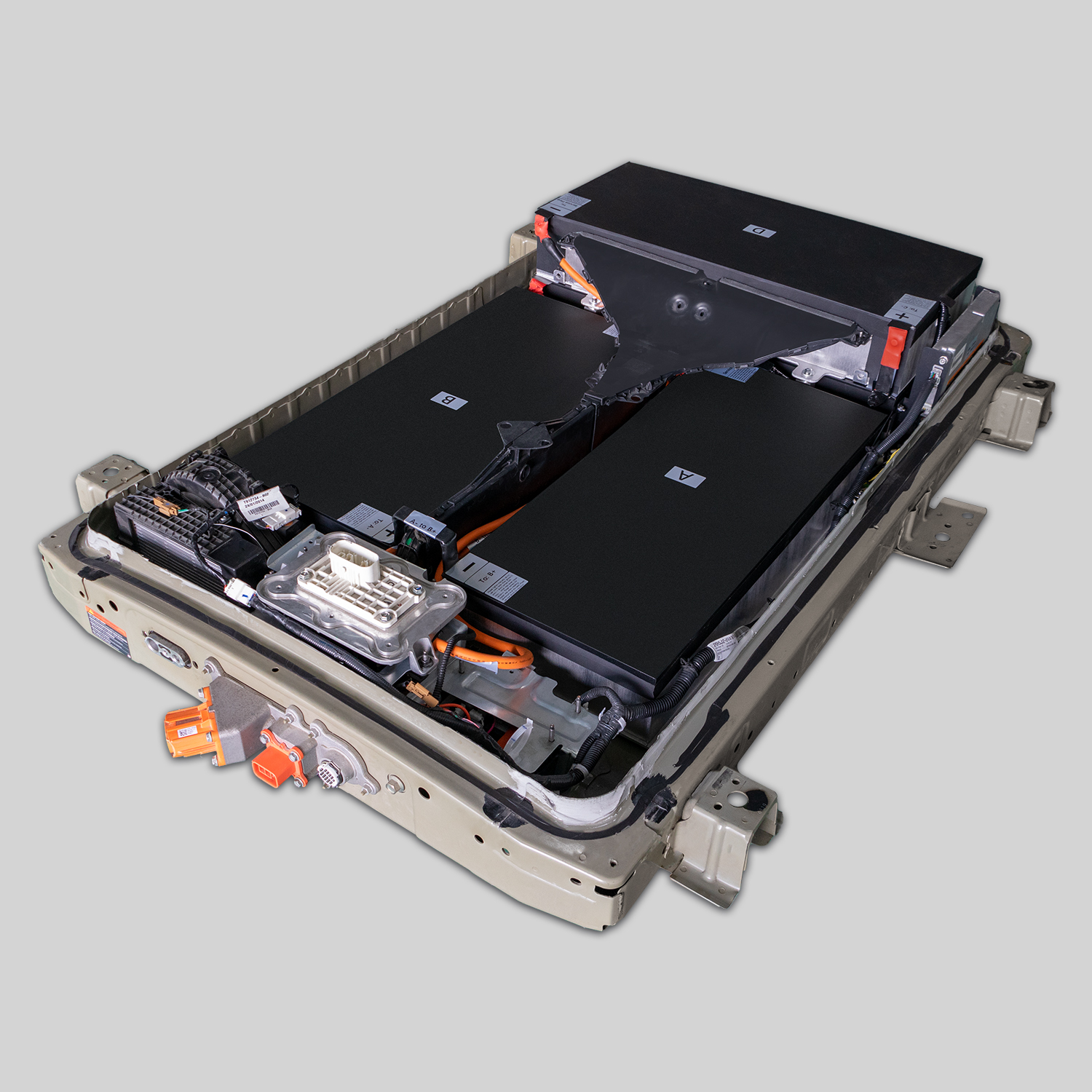
Why Your e-NV200 Combi Passive Cooling is Failing and How to Repair It
If you drive a Nissan e-NV200 Combi, you rely on it for work. When the battery warning light flashes or the range drops drastically, it’s not just an inconvenience; it’s lost income. Many owners face a specific, frustrating issue: passive cooling failure. The e-NV200, often used in hot climates or for heavy-duty cycles, suffers when the thermal management system can’t keep up, leading to rapid degradation and potential “Limp Mode.”
This guide, written by the technical experts at CNS BATTERY, will explain why this happens and provide the definitive repair solution to get your vehicle back to 100% performance.
The Root Cause: Why Passive Cooling Fails
The Nissan e-NV200 uses a passive cooling system, which relies on ambient airflow rather than active liquid cooling. While this design is simple, it has a critical flaw under sustained load.
1. Thermal Runaway in Hotspots
Unlike active cooling systems that pump coolant, the passive system allows heat to build up in specific “hotspot” cells within the module. When you drive in hot weather (like the current summer conditions in many regions) or use the vehicle for frequent stop-and-go delivery routes, these hotspots exceed safe temperatures.
2. BMS Safety Lock
The Battery Management System (BMS) is programmed with strict safety thresholds. When the BMS detects temperatures above 45°C (113°F) or significant voltage imbalances caused by overheating, it triggers a protective lock. This results in the dreaded “Turtle Mode” or a complete shutdown, forcing you to stop driving until the battery cools down—sometimes for hours.
3. Irreversible Sulfation and Degradation
Every time the battery overheats, the electrolyte breaks down, and sulfation occurs on the electrodes. This is permanent damage. A battery that originally had a 170km (105 miles) range can degrade to less than 80km (50 miles) after repeated thermal stress cycles.
Expert Insight: At CNS BATTERY, our lab tests on degraded e-NV200 packs consistently show that the cells at the bottom of the module (closest to the hot asphalt) are often swollen or dead, while the top cells still retain 60-70% capacity. This uneven degradation is the hallmark of passive cooling failure.
The DIY Trap: Why “Cell Swapping” is a Temporary Fix
Many owners try to save money by replacing only the “bad” cells in the module. We strongly advise against this.
Here is why patch repairs fail:
- Imbalanced Chemistry: Mixing old, degraded cells with new ones creates a chemical imbalance. The old cells act as a bottleneck, dragging down the performance of the new cells and causing the pack to fail again within 3-6 months.
- Spot Welding Risks: DIY spot welding often causes micro-fractures in the cell casing. These fractures lead to internal short circuits, which are a fire hazard.
- BMS Incompatibility: The Nissan BMS is highly sensitive. If the voltage of the new cells doesn’t perfectly match the old cells during the initial handshake, the BMS will reject the pack.
The Permanent Solution: A Full OEM-Compatible Replacement
To彻底 (thoroughly) solve the passive cooling failure, you need a fresh start. The only reliable fix is a complete replacement with a new, high-quality lithium battery pack designed to withstand thermal stress.
1. Why Choose a New 40kWh or 50kWh Pack?
Instead of repairing the old, fragile structure, upgrading to a new pack from CNS BATTERY offers:
- Brand New CATL Cells: We use Grade A, brand-new cells from CATL (Contemporary Amperex Technology Co. Limited), the world’s largest battery manufacturer. These cells have a higher thermal tolerance than the original 2014-2019 vintage cells.
- OEM Precision Fit: Our packs are engineered to match the original Nissan specifications exactly. There is no modification needed; it is a direct plug-and-play replacement.
- Enhanced BMS Algorithms: Our integrated BMS is programmed to be more forgiving during high-temperature operations while still maintaining safety, reducing the frequency of “Turtle Mode” lockouts.
2. The Upgrade Option: 62kWh for Extreme Duty
If you use your e-NV200 for heavy cargo or live in a hot climate, consider upgrading to a 62kWh capacity.
- Lower Heat Generation: A larger battery operates at a lower Depth of Discharge (DoD). Running a 62kWh pack at 50% capacity generates significantly less heat than running a 40kWh pack at 90% capacity.
- Extended Range: Increase your daily working range from 170km to over 300km, allowing you to work longer without stopping to charge.
Why CNS BATTERY is the Trusted Choice for e-NV200 Owners
As a leading manufacturer specializing in Nissan EV powertrains, we understand the unique stressors of commercial electric vehicles.
Unbeatable Warranty
We back our solution with a 2-year / 80,000 km warranty. This is significantly longer than the typical 1-year warranty offered by repair shops. If you encounter any issues related to cell quality or workmanship, we provide free replacements.
Technical Support, Not Just Sales
We know installing a high-voltage battery can be daunting. When you purchase from us, you get access to our technical experts.
- Pre-Sale VIN Check: We verify compatibility with your specific e-NV200 Combi chassis number.
- Video Installation Guides: Step-by-step videos showing the exact bolt patterns and connector placements.
- Remote Programming Support: If you have issues with the BMS handshake, our engineers can guide you via video call to resolve it in minutes.
Cost Efficiency
Replacing the entire pack with a refurbished unit often costs 70-80% of a new battery price but offers only 30% of the lifespan. With CNS BATTERY, you pay approximately 50% less than the Nissan dealership price for a brand-new, factory-standard product.
Ready to Fix Your e-NV200?
Don’t let passive cooling failures sideline your business. A complete battery replacement is not an expense; it is an investment in the longevity of your vehicle.
Get a Free Custom Quote Today
Tell us your e-NV200 model year and desired capacity (40kWh, 50kWh, or 62kWh), and we will provide a personalized quote with global shipping options.
Contact Us Now for Your e-NV200 Solution
Frequently Asked Questions (FAQ)
Q1: Can I repair the passive cooling system without replacing the whole battery?
A: Technically, yes, but it is not recommended. Adding an active fan or modifying the airflow is dangerous and can void any remaining safety certifications. The most cost-effective and safe method is to replace the entire degraded module with a new, high-quality pack that uses fresher, more thermally stable chemistry.
Q2: How long does the installation take?
A: For a professional technician, the installation typically takes 1-2 hours. It is a straightforward process of disconnecting the old pack, removing the mounting bolts, lifting out the old battery, and bolting in the new one. We provide detailed installation manuals and videos to assist with this process.
Q3: Will a new battery fix the “Turtle Light” permanently?
A: Yes. The “Turtle Light” (Limp Mode) is usually triggered by weak cells that cannot hold voltage under load or by thermal sensors detecting overheating. A new CNS BATTERY pack uses balanced, brand-new cells that maintain stable voltage and have a lower internal resistance, eliminating the conditions that trigger the fault code.
Q4: Do you ship internationally?
A: Yes, we support international sales to over 50 countries. We handle the complex logistics of shipping lithium batteries (UN 3480/3481) via DHL, FedEx, or sea freight. We offer DDP (Delivered Duty Paid) service to many regions, meaning the battery is delivered to your door with all customs duties cleared.