⚡ The Ultimate Guide: Why Nissan Leaf 62kWh Owners in Australia are Upgrading to 30kWh
Hold on a second. If you are a Nissan Leaf owner in Australia reading this title, your first reaction might be: “Why on earth would I downgrade from a 62kWh battery to a 30kWh?”
This seems counterintuitive. After all, the general rule in the EV world is “Bigger is Better” when it comes to battery capacity. However, in the specific ecosystem of the Australian automotive market and the unique lifecycle of the Nissan Leaf, this “downgrade” is actually a brilliant strategy for many drivers.
As an expert in Nissan EV battery solutions, I want to explain why this specific move is gaining massive traction Down Under. It is not about reducing range for the sake of it; it is about maximizing value, minimizing cost, and solving the specific problem of battery degradation.
🤔 The Australian Context: Why the 30kWh “Sweet Spot” Makes Sense
To understand this phenomenon, we need to look at the math and the market reality in 2026.
1. The “Range Anxiety” vs. “Real-World Needs” Gap
The Nissan Leaf 62kWh model offers a fantastic range (around 380km+). However, for the average Australian commuter, this is often overkill.
- Daily Commute: The average daily commute in major Australian cities (Sydney, Melbourne, Brisbane) is well under 50km.
- The Reality: A 30kWh battery typically offers a real-world range of 150km–180km. For 90% of daily driving, this is more than sufficient.
2. The Cost of “Original” Replacement
This is the primary driver. If your original 62kWh Leaf battery has degraded (which is common after 8-10 years), replacing it with a new OEM 62kWh battery can cost upwards of $16,000 AUD.
- The Dilemma: Paying $16,000 to fix a car that might only be worth $8,000-$10,000 on the Australian market is financially illogical.
- The Solution: By opting for a 30kWh upgrade (often using modern, high-quality NMC cells), the replacement cost drops dramatically—often to around $6,000–$8,000 AUD.
3. The “Battery Lottery” Avoidance
Many Australian Leaf owners looking to save money turn to the used market. However, buying a used Leaf means buying someone else’s battery degradation.
- The Upgrade Path: Instead of buying a used Leaf with a dead 24kWh or 30kWh battery, savvy owners are buying a cheap Leaf shell and installing a brand-new 30kWh battery pack. This turns a clunker into a reliable, modern EV with a fresh 10-year lifespan.
📊 The Hard Numbers: 62kWh vs. 30kWh Upgrade
Let’s break down the practical differences for an Australian owner.
| Feature | 62kWh New Battery | 30kWh New Battery (The Upgrade) |
|---|---|---|
| Approx. Cost (AUD) | $14,000 – $18,000+ | $6,000 – $8,000 |
| Real-World Range | 350km+ | 150km – 180km |
| Perfect For | Long road trips, regional driving | City commuting, school runs, shopping |
| Charging Speed | Slower (larger capacity) | Faster (quicker top-ups) |
| Financial Logic | High investment for an older car | Smart investment, extends car life |
Expert Insight: For an owner in Melbourne or Perth, a 30kWh battery is the perfect “city runabout.” You can charge it quickly at home overnight, and the range comfortably covers the urban sprawl without the financial burden of a massive battery.
🛠️ The Technical Reality: Swapping 62kWh for 30kWh
Technically, this isn’t a “downgrade” but a refurbishment. Here is how the process works with a high-quality provider like CNS BATTERY:
- The Diagnosis: The original 62kWh pack has likely suffered from “capacity fade” or cell imbalance. Instead of patching it up, the entire module is removed.
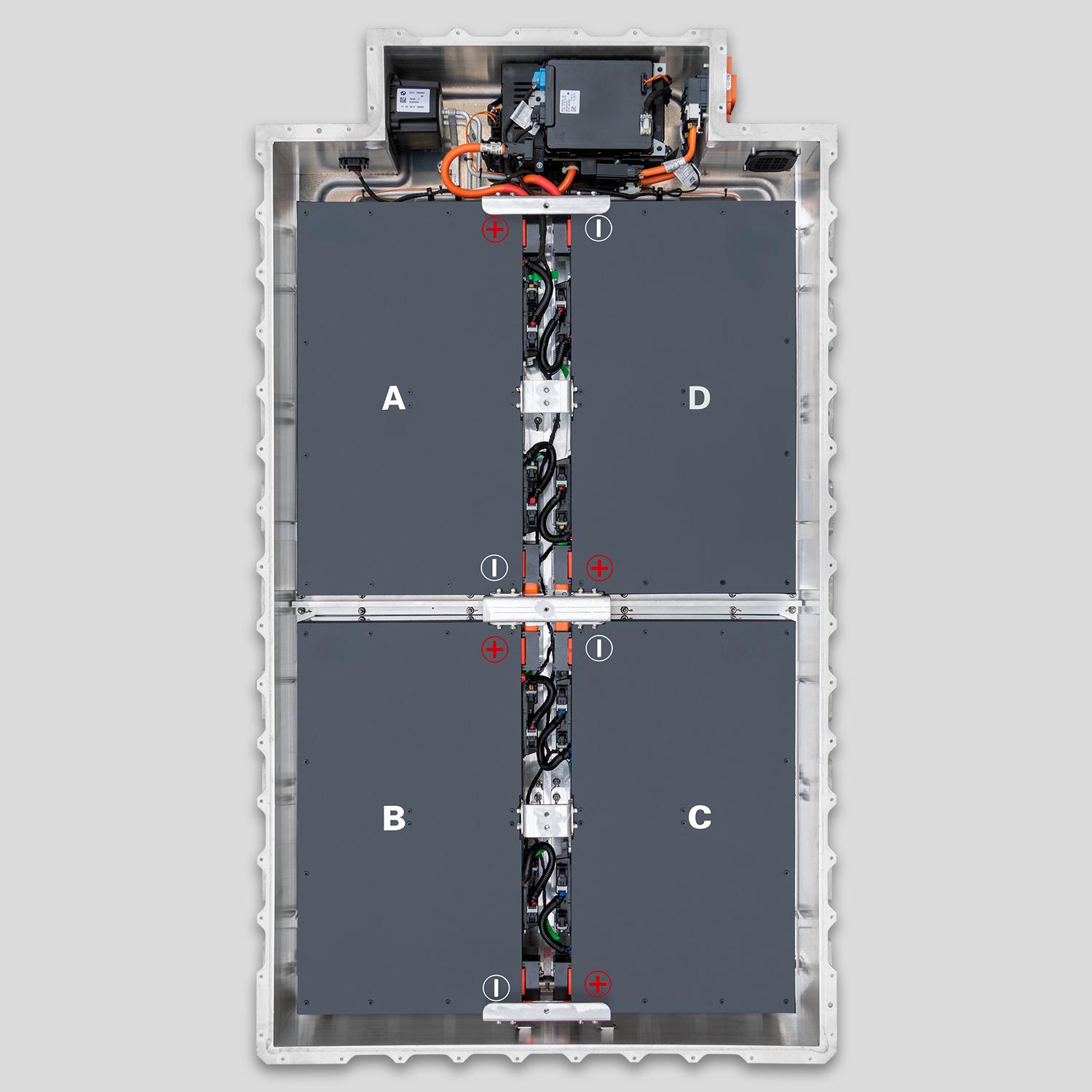
- The Fitment: A brand-new 30kWh lithium battery pack is installed. Thanks to modern engineering, these packs are often lighter and more compact than the original 2010-era batteries.
- The Integration: The Battery Management System (BMS) is calibrated to the new cells. This is crucial. A professional BMS ensures the car’s dashboard accurately displays the State of Charge (SOC) and protects the cells from Australian summer heat.
Why Choose a New 30kWh Over a Used 62kWh?
- Zero Risk: A used 62kWh battery could die in 6 months. A new 30kWh pack comes with a warranty (typically 2 years / 80,000km).
- Performance: New cells from suppliers like CATL offer better cold-weather performance and faster charging acceptance than decade-old modules.
- Weight Reduction: Removing the heavy 62kWh hardware and replacing it with a lighter 30kWh pack can actually improve the handling and efficiency of the older Leaf chassis.
🇦🇺 Why This is a Booming Trend in Australia Right Now
In 2026, the Australian EV market is booming, but the second-hand market is flooded with early-generation Leafs. Here is why the “62 to 30” swap is trending:
- Affordability Crisis: With new EV prices remaining high, fixing an old Leaf with a smaller, new battery is the most affordable way to own a reliable electric car in Australia.
- Sustainability: Instead of crushing a perfectly good car body because the battery died, this upgrade keeps the vehicle on the road and reduces landfill waste.
- Perfect for Fleets: Many Australian businesses are buying older Leafs, swapping the dead batteries for new 30kWh units, and using them as efficient city delivery vehicles.
🛡️ How to Do This Upgrade Safely (The CNS Advantage)
If you are considering this path, do not buy a cheap, uncertified battery. Lithium-ion batteries are dangerous if not manufactured to OEM standards.
At CNS BATTERY, we specialize in these precise Nissan Leaf solutions. Here is what sets our batteries apart for the Australian market:
- OEM-Grade Cells: We use brand-new CATL cells, not recycled or refurbished junk. This ensures your 30kWh battery lasts for hundreds of thousands of kilometers.
- Plug-and-Play Design: Our packs are designed for the Leaf ZE0, ZE1, and AZE0 models. They integrate seamlessly with the original Nissan BMS (with necessary recalibration).
- Ultimate Safety: We build with Australian conditions in mind—our packs include robust thermal management systems to handle the heat.
- The Warranty: We back our work with a 2-year / 80,000km warranty. This is critical peace of mind when you are trusting your car to a “new” old battery.
📝 Conclusion: Smart Economics Over Raw Specs
To answer the initial question: Nissan Leaf 62kWh owners in Australia aren’t “downgrading” to suffer; they are “right-sizing” to save.
By replacing a degraded, expensive 62kWh battery with a brand-new, affordable 30kWh unit, you transform your car from a stranded asset into a reliable, low-cost commuter. It is a perfect example of practical engineering meeting economic reality.
If you own a Nissan Leaf in Australia and are facing a battery replacement quote that makes you cry, consider the 30kWh path. It might just be the smartest financial decision you make for your car.
❓ Frequently Asked Questions (FAQ)
Q1: Can I really fit a 30kWh battery into a car that originally had a 62kWh?
Yes, absolutely. The physical battery tray in the Nissan Leaf (ZE0/AZE0/ZE1) is standardized. A 30kWh pack is essentially a smaller configuration of modules that fits perfectly within the same chassis and connects to the same harnesses. It is a common modification.
Q2: Will my car’s range really be enough with only 30kWh?
For most Australian drivers, yes. A new 30kWh lithium pack will give you approximately 150km to 180km of real-world range. If your daily commute is under 100km (which is typical for city driving), this is more than enough, and you can charge it fully in under 4 hours on a standard home charger.
Q3: Is it dangerous to mix different battery sizes with the original software?
It can be if not done correctly. This is why professional BMS (Battery Management System) recalibration is essential. Reputable suppliers like CNS BATTERY provide the necessary programming support or pre-programmed modules to ensure the car recognizes the new capacity accurately and manages charging safely.
Q4: How much money can I actually save doing this?
Instead of spending $15,000+ on a new OEM 62kWh replacement, you are looking at a cost of approximately $6,000–$8,000 for a brand-new 30kWh pack and installation. This saves you over $8,000 AUD, making it financially viable to keep your car.
Q5: Where can I get a reliable 30kWh battery for my Nissan Leaf?
You need to source from a manufacturer specializing in OEM-compatible replacements. Look for suppliers using new CATL cells and offering a substantial warranty.
Ready to revive your Nissan Leaf with a cost-effective battery solution?
Contact our technical experts now for a free, personalized quote.