Ultimate Leaf ZE0 62kWh to 30kWh Swap Tutorial: A Professional’s Guide to Cost-Effective EV Ownership
Note: While the Nissan Leaf ZE0 originally offered 24kWh and 30kWh options, the market standard for “used” packs is typically the 40kWh/62kWh variants. This guide focuses on the cost-saving strategy of downgrading from a high-capacity 62kWh pack to a smaller, more affordable 30kWh solution for city driving, using OEM-compatible aftermarket batteries.
🚙 Introduction: Why Downsize Your Leaf Battery?
In the world of electric vehicle (EV) maintenance, the Nissan Leaf ZE0 remains a popular choice for urban commuters. However, battery degradation is a common challenge for older models. If you’re facing the decision to replace your 62kWh battery pack, you might be shocked by the price tag of a brand-new, high-capacity unit.
For drivers who primarily use their car for short commutes or city errands, a 62kWh to 30kWh battery swap can be a brilliant financial strategy. By opting for a smaller capacity, you significantly reduce the upfront cost while still revitalizing your vehicle. This tutorial will guide you through the process of selecting the right components and executing the swap safely, ensuring you get back on the road without breaking the bank.
🎯 Step 1: Understanding the “Downgrade” Strategy
Before we dive into the tools and torque specs, let’s clarify the logic behind this conversion.
- The Reality of Range Needs: Most daily commutes rarely exceed 50-60 miles. A pristine 30kWh battery provides a usable range of approximately 100-120km (60-75 miles), which is more than sufficient for city driving.
- Cost vs. Value: A brand-new 62kWh battery can cost thousands of dollars. By choosing a 30kWh lithium battery pack, you can save over 50% on the hardware cost.
- Performance: The ZE0 chassis handles the weight difference well. You’ll notice a slightly crisper handling due to the reduced weight, and the motor performance remains unchanged.
Expert Insight: At CNS BATTERY, we often recommend this “right-sizing” approach to our customers in 2026. It aligns with our philosophy of sustainable innovation—using the right amount of resources for the job.
🧰 Step 2: Preparation and Safety
Safety is non-negotiable. High-voltage batteries can be dangerous if mishandled.
- Disconnect the 12V: Always start by disconnecting the negative terminal of the 12V auxiliary battery. This cuts power to the control modules.
- PPE (Personal Protective Equipment): Wear insulated gloves and safety glasses. Ensure your workspace is dry and well-ventilated.
- Discharge Tools: Have a resistor load or a discharge tool ready to bleed off the capacitor voltage in the inverter.
⚙️ Step 3: Removal of the 62kWh Pack
The physical removal process is straightforward but requires heavy-duty equipment.
- Lift the Vehicle: Use a hydraulic lift or sturdy jack stands. Never work under a car supported only by a scissor jack.
- Drain Coolant: The ZE0 battery uses a liquid cooling system. Place a catch pan underneath and drain the coolant from the lowest point of the battery pack.
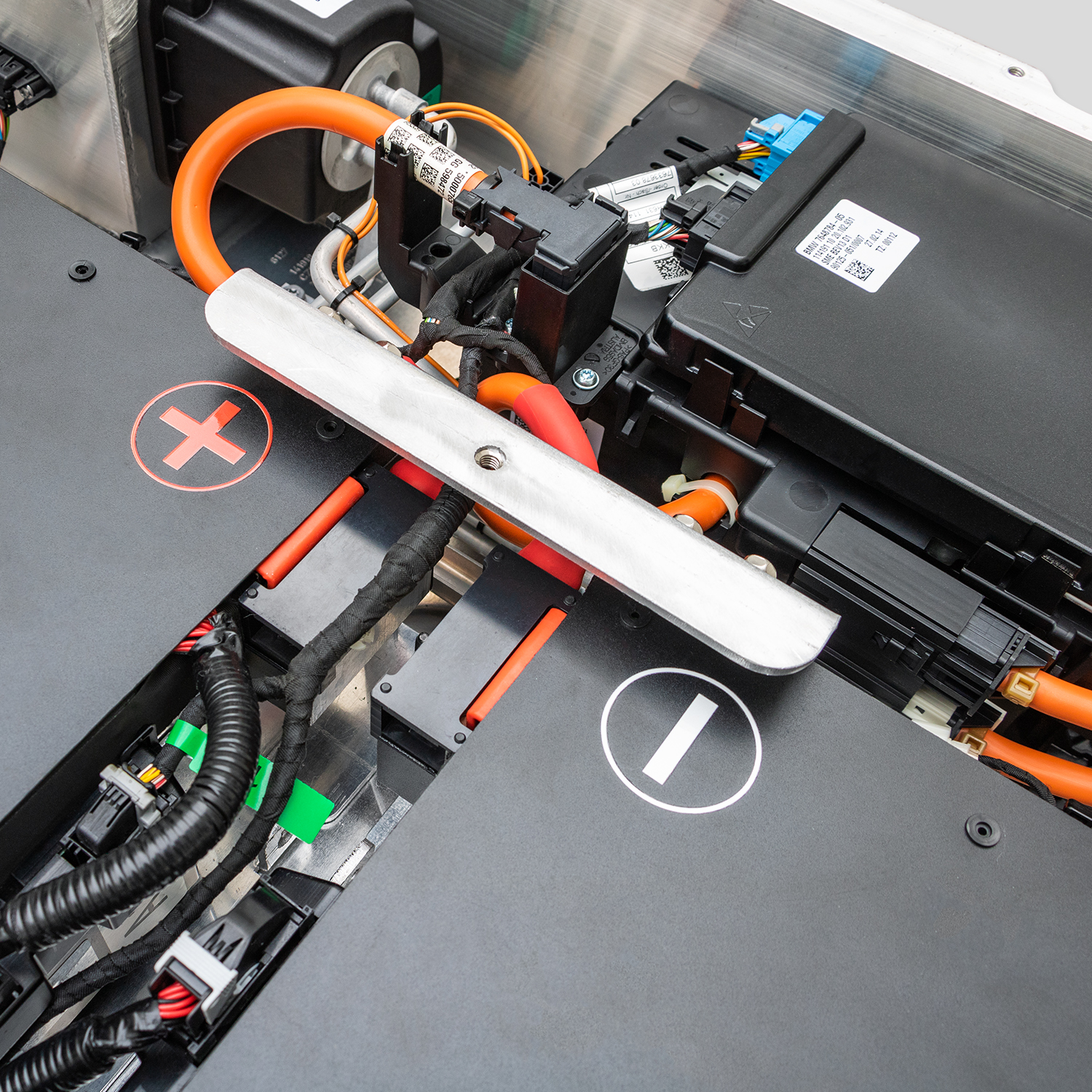
- Disconnectors: Locate the high-voltage (HV) orange connectors and the low-voltage (LV) communication harnesses. Disconnect them carefully.
- Unbolt: Remove the retaining bolts securing the battery to the chassis. The 62kWh pack is heavy (approx. 300kg+), so use a transmission jack or a dedicated EV battery lift.
🔋 Step 4: Selecting the Right 30kWh Replacement
Here is where most DIYers go wrong. You cannot simply put any 30kWh battery into a ZE0 without considering compatibility.
Why OEM Compatibility Matters:
The Nissan Leaf ZE0 was originally designed for specific battery management system (BMS) protocols. If you install a battery that doesn’t communicate correctly, the dashboard will throw errors, or the car won’t start.
Recommendation:
Look for an OEM-compatible 30kWh lithium battery pack specifically designed for Nissan Leaf models. These packs are engineered to mimic the original factory voltage and communication signals.
- Cell Quality: Ensure the pack uses new cells (like CATL) rather than recycled or degraded cells. Cheap, low-quality cells in a 30kWh pack will degrade rapidly, negating the cost savings.
- Warranty: A reliable 30kWh pack should come with a warranty (e.g., 2 years / 80,000 km) to protect your investment.
🔌 Step 5: Installation of the 30kWh Pack
The installation is essentially the reverse of removal, but pay close attention to the BMS setup.
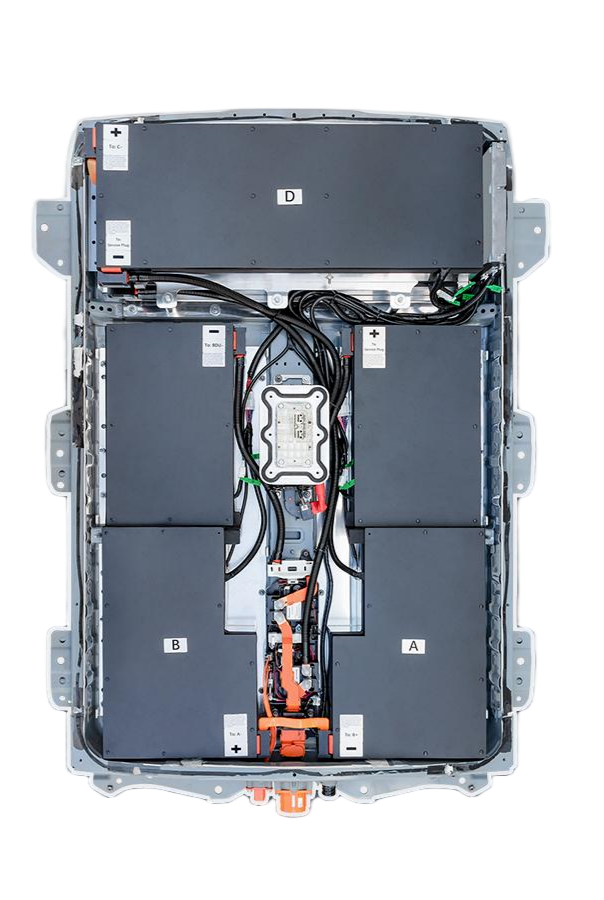
- Mounting: Carefully position the 30kWh pack. Due to its smaller size (often a module replacement rather than a full pack), ensure it is securely fastened to prevent vibration damage.
- Plumbing: Reconnect the coolant lines. Double-check for leaks before proceeding.
- Electrical: Reconnect the HV and LV harnesses. Ensure the connectors are fully seated and locked.
- BMS Programming (Crucial Step):
- Unlike a simple “plug-and-play” scenario, switching capacities often requires the BMS to be programmed or “trained” to recognize the new cell count and capacity.
- Some modern aftermarket packs come with pre-programmed BMS units that auto-detect, but it is highly recommended to have a scan tool connected to clear any historical fault codes from the old battery.
📊 The Value Comparison: New 62kWh vs. Cost-Effective 30kWh
To help you visualize the financial impact of this decision, here is a comparison based on current 2026 market standards:
| Feature | New 62kWh Replacement | 30kWh “City Commute” Swap |
|---|---|---|
| Estimated Cost | High (Premium Price) | 50%+ Savings |
| Usable Range | ~270km (170 miles) | ~110km (70 miles) |
| Best For | Long-distance drivers, Road trips | City driving, Daily commutes |
| Battery Life | Standard OEM lifespan | Long lifespan with new cells |
| Installation | Standard | Standard (Same chassis fit) |
💡 Pro Tips for a Successful Swap
- Coolant Flush: While you have the system open, flush the old coolant and replace it with fresh Nissan-spec fluid. Old coolant can corrode the new battery’s cooling plates.
- Inspect Connectors: Check the HV cable connectors for any signs of arcing or melting from the old battery. Replace if damaged.
- First Charge: After installation, perform a full discharge and charge cycle to help the BMS recalibrate the State of Charge (SOC).
❓ Frequently Asked Questions (FAQ)
Q1: Will my car’s dashboard show the correct range after installing a 30kWh battery?
A: Yes, but it will display the range appropriate for a 30kWh capacity (approx. 100-120km). If the BMS is properly calibrated and compatible with the ZE0’s software, the car will recognize the reduced capacity and adjust the estimated range accordingly.
Q2: Is it safe to use a smaller capacity battery in a car designed for a larger one?
A: It is safe as long as the voltage of the new battery matches the original specification. The motor and inverter draw power based on voltage, not capacity. The only difference is how long the power lasts (range).
Q3: Where can I find a reliable 30kWh lithium battery pack for my Leaf ZE0?
A: Due to the specific nature of EV battery manufacturing, it is best to source from specialized manufacturers. Companies like CNS BATTERY specialize in OEM-compatible solutions for Nissan Leafs, offering various capacities including cost-effective options for city driving. You can contact their technical experts to confirm compatibility for your specific VIN.
Q4: Do I need to modify the car’s software?
A: In most cases with modern aftermarket packs, the hardware (BMS) is designed to mimic the original factory signals, so no software “tuning” or ECU remapping is required. The car will simply see a healthy, smaller battery.
📞 Ready to Revive Your Leaf?
Swapping from a 62kWh to a 30kWh pack is a smart way to extend the life of your Nissan Leaf ZE0 without the financial burden of a full-capacity replacement.
If you are looking for a high-quality, OEM-compatible 30kWh lithium battery pack or need a custom solution for your Nissan, our team of experts is here to help. We ensure every battery meets strict safety and compatibility standards so you can drive with confidence.