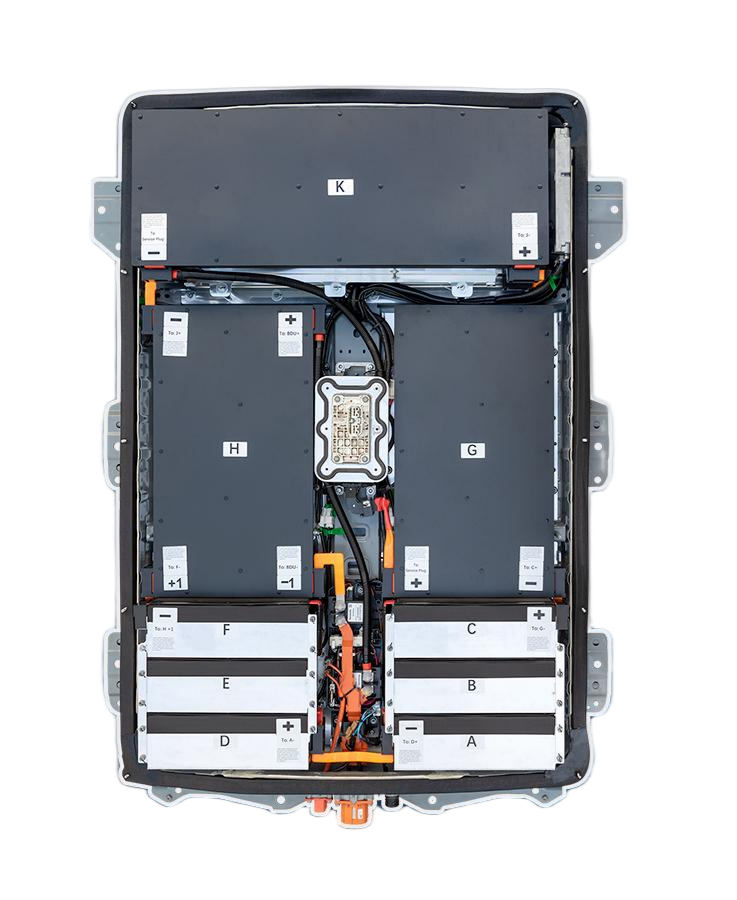
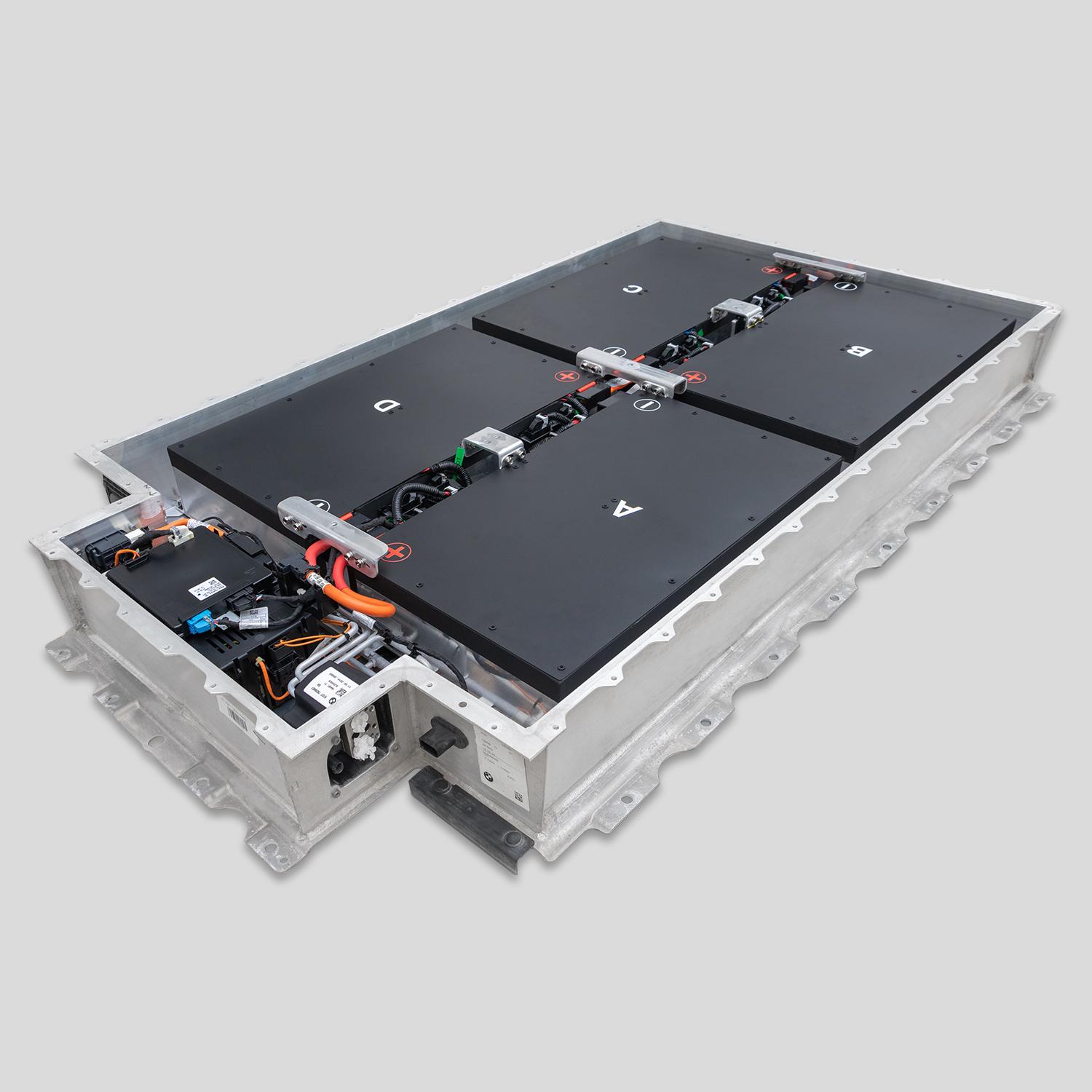
Ultimate Leaf AZE0 30kWh to 62kWh Upgrade Tutorial
Nissan Leaf owners, are you tired of range anxiety? If you drive a Leaf AZE0 (the second generation, typically 2018-2022 models) and find the standard 40kWh or optional 62kWh battery too expensive to replace, or if you currently have a base 30kWh model and want to unlock highway driving capabilities, you are in the right place.
As a leading EV battery manufacturer specializing in Nissan and BMW, we understand that the factory 30kWh or 40kWh packs simply don’t meet the needs of modern drivers. The good news is that upgrading your Leaf AZE0 with a 62kWh lithium battery pack is not just possible; it is a cost-effective way to double your range and breathe new life into your car.
This comprehensive guide will walk you through the “why” and the “how” of this specific upgrade, leveraging our decade of experience in OEM-compatible powertrains.
🚀 Why Upgrade Your Leaf AZE0 from 30kWh to 62kWh?
Before diving into the technical steps, let’s address the core motivation: Value and Performance.
Many AZE0 owners face a dilemma. The original 30kWh or 40kWh batteries degrade over time, leaving you with a usable range of barely 100-150km. Buying a new OEM 62kWh battery is prohibitively expensive. This is where the aftermarket solution comes in.
By upgrading to a 62kWh lithium battery pack, you achieve three critical goals:
- Double the Range: Transform your car from a city commuter to a highway-capable vehicle (real-world range jumps from ~150km to ~350km).
- Future-Proofing: A brand-new pack ensures 8-10 years of reliable service, unlike refurbished OEM modules.
- Cost Efficiency: You save over 50% compared to dealership prices.
Expert Insight: The AZE0 chassis is physically and electronically compatible with the larger 62kWh modules found in the ZE1 platform. This compatibility is what makes this upgrade a “plug-and-play” engineering marvel.
🛠️ Preparation: Tools and Parts Checklist
To ensure a smooth Leaf AZE0 battery upgrade, you need the right gear. Do not start this project without the following:
| Category | Items Required |
|---|---|
| Core Hardware | 62kWh Lithium Battery Pack (OEM-compatible, new cells), BMS (Battery Management System) |
| Safety Gear | Insulated rubber gloves, Safety goggles, Rubber mats |
| Mechanical Tools | Torque wrench (set to 15-20 Nm), Socket set, Pry tools, Trolley jack & axle stands |
| Electrical Tools | Multimeter, Insulated screwdrivers, Terminal cleaner |
Important Note: Ensure your chosen 62kWh pack is specifically designed for Nissan Leaf compatibility. Generic EV batteries may not fit the AZE0 chassis dimensions or communicate correctly with the Vehicle Control Unit (VCU).
📝 Step-by-Step: The Upgrade Process
This section details the physical process of swapping your old 30kWh unit for the new 62kWh heart of your car.
Step 1: Vehicle Preparation and Safety Isolation
- Park the vehicle on a flat surface and engage the parking brake.
- CRITICAL: Open the hood and disconnect the 12V auxiliary battery. Wait at least 15 minutes to allow the capacitors in the inverter to discharge. Failure to do this can result in severe electric shock.
Step 2: Removing the Old 30kWh Pack
- Jack up the vehicle and secure it on axle stands.
- Remove the underbody shielding.
- Disconnect the high-voltage (HV) orange connectors and the low-voltage communication cables from the old battery.
- Remove the mounting bolts securing the battery to the chassis. The 30kWh pack is lighter, but still requires careful handling.
Step 3: Installing the 62kWh Lithium Battery Pack
- Carefully position the new 62kWh pack. Thanks to OEM-standard design, the mounting points for the AZE0 and the larger pack align perfectly.
- Reconnect the low-voltage communication harness. This is vital for the car to recognize the new battery’s capacity.
- Connect the high-voltage cables. Ensure the polarity is correct (Positive to Positive, Negative to Negative).
Step 4: BMS Programming and Calibration
- This is where many DIYers get stuck. The new battery pack needs to be “introduced” to the car.
- Using a diagnostic tool (or following the manufacturer’s specific sequence), reset the BMS.
- Turn the ignition on (do not start driving yet). The dashboard may show errors initially; this is normal. After a few minutes, the system should recognize the new voltage and capacity.
Step 5: Test Drive and Validation
- Lower the vehicle and reinstall the underbody shield.
- Take a short test drive. Monitor the voltage levels via the dashboard or an OBD2 scanner. You should see a full charge voltage significantly higher than before, indicating the successful integration of the 62kWh capacity.
💡 Why Choose a Professional-Grade 62kWh Solution?
While the mechanical fit might seem straightforward, the electrical compatibility is complex. Many owners attempt this upgrade with substandard cells and face swelling or failure within months.
When upgrading your Leaf AZE0, you must prioritize safety and cell quality. We recommend using packs built with brand-new CATL (Contemporary Amperex Technology Co. Limited) cells. These cells offer:
- Thermal Stability: They resist overheating, a critical factor for the Leaf’s passive cooling system.
- Longevity: New cells guarantee 3000+ charge cycles, ensuring your upgrade lasts longer than the car itself.
- Consistency: Unlike salvaged modules, new cells have zero prior degradation.
🤝 Conclusion: Revive Your Ride with Confidence
Upgrading your Leaf AZE0 from a restrictive 30kWh to a liberating 62kWh lithium battery pack is the ultimate hack for Nissan EV owners. It turns a depreciating asset into a high-performance, long-range vehicle at a fraction of the cost of a new car.
Remember, the success of this modification hinges on using a high-quality, compatible battery pack. Don’t settle for refurbished or generic lithium batteries that might compromise your safety.
Ready to transform your Nissan Leaf experience? Get a free custom quote for your specific upgrade path today.
❓ Frequently Asked Questions (FAQ)
Q1: Is the 62kWh upgrade legal and safe for my Leaf AZE0?
Yes, provided you use a professionally engineered 62kWh lithium battery pack that meets OEM specifications. The upgrade works within the car’s existing voltage tolerance. Always ensure the battery has proper CE/UN38.3 certifications and uses new, high-grade cells (like CATL) to prevent thermal runaway.
Q2: Will this upgrade void my car’s remaining warranty?
Modifying the battery technically alters the OEM configuration. However, a high-quality, compatible pack that matches the original voltage and communication protocols minimizes the risk of damaging other components. It is advisable to consult your specific warranty terms, but most independent repair shops accept these upgrades as they solve the core problem of battery degradation.
Q3: How much does a 62kWh upgrade typically cost?
Compared to a $12,000+ OEM replacement, a professional aftermarket 62kWh lithium battery pack typically costs around $7,000 – $9,000 (depending on cell quality and import duties). This represents a massive saving and often pays for itself in avoided taxi or rental car costs.
Q4: Can I install this myself, or do I need a mechanic?
If you are mechanically inclined and follow the safety protocols (especially isolating the 12V battery), the physical swap is manageable. However, BMS programming can be tricky. We offer remote video guidance for DIYers. If you are unsure, we recommend using a certified electrician or using our installation support service to avoid damaging the new pack.