The Ultimate CNS Battery Maintenance Guide for Long-Term Savings
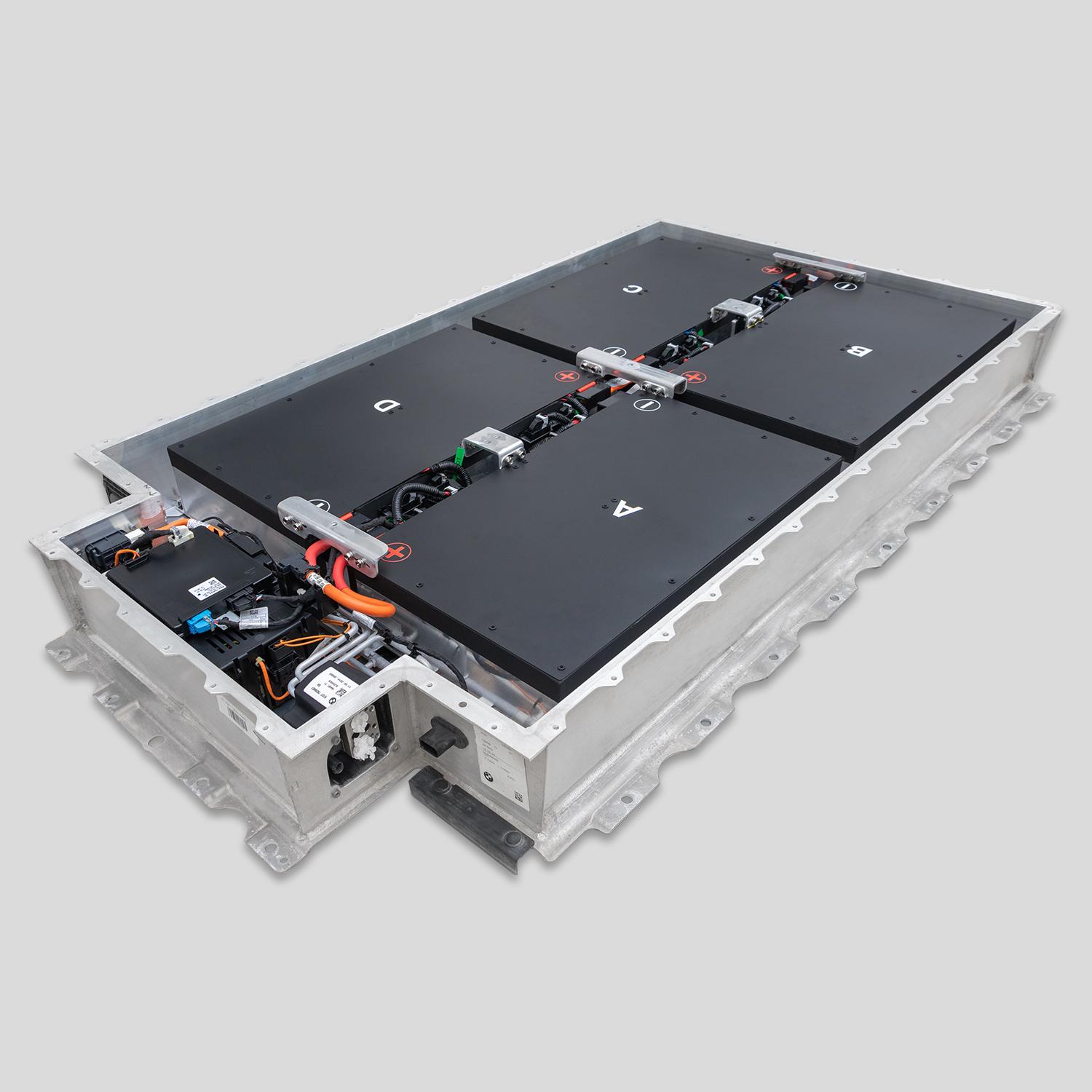
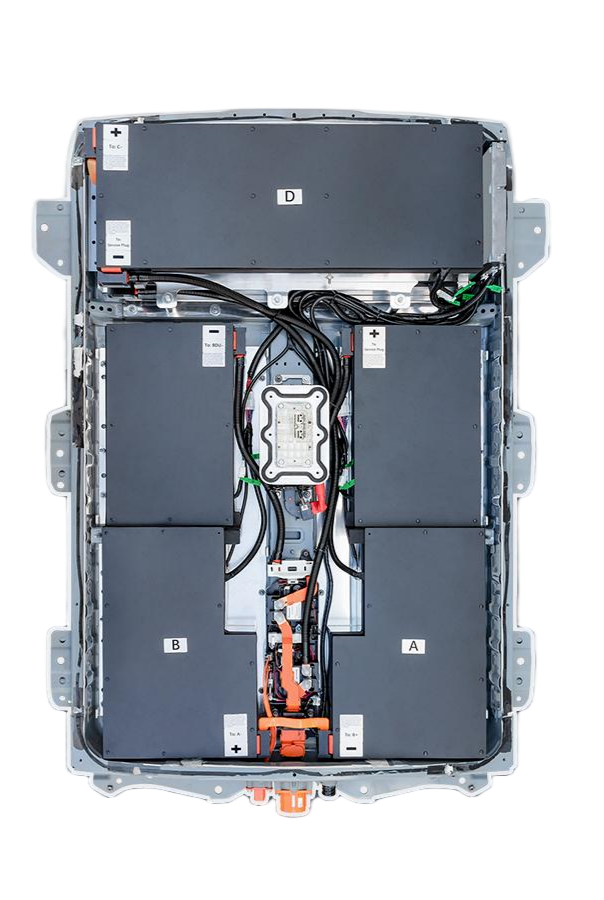
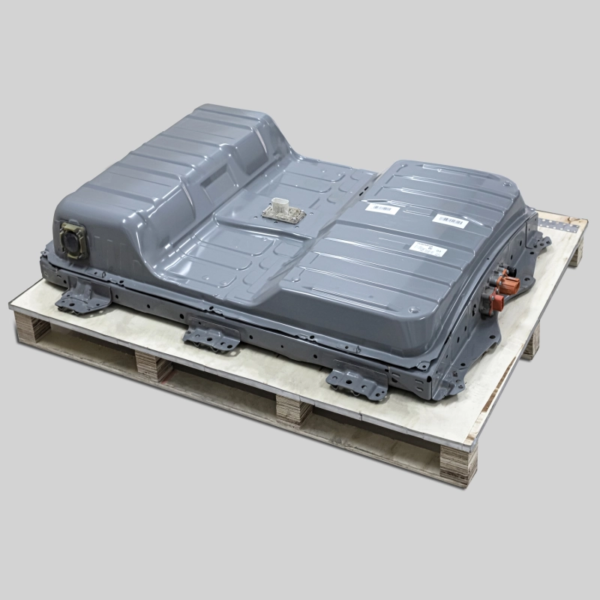
Owning an electric vehicle (EV) like a Nissan Leaf or a BMW i3 is a smart choice for the environment and your wallet. However, the battery pack remains the most expensive component of your car. As a CNS BATTERY expert, I often see customers who neglect basic maintenance, leading to premature degradation and hefty replacement costs.
The good news is that with the right care, your CNS lithium-ion battery can last significantly longer than the industry average, saving you thousands of dollars over the vehicle’s lifetime. In this comprehensive guide, we will walk through the exact maintenance steps and driving habits that maximize your battery’s health and your long-term savings.
Why Maintenance Matters for Your EV Investment
Before diving into the “how,” it is crucial to understand the “why.” Unlike internal combustion engines that require oil changes and belt replacements, EVs have fewer moving parts, but the battery chemistry requires specific care.
A well-maintained CNS battery, utilizing premium cells from CATL, is engineered for durability. However, extreme temperatures, deep discharges, and improper charging habits can accelerate the aging process. By following this guide, you are not just maintaining a battery; you are protecting a high-value asset.
1. Mastering the Charging Cycle: The 20%-80% Rule
One of the most common mistakes drivers make is obsessing over a “full charge.” While it is tempting to plug in and see 100%, this habit is detrimental to lithium-ion longevity.
- The Golden Window: For daily driving, try to keep your charge level between 20% and 80%. Lithium-ion batteries experience the highest stress at the extreme ends of their charge cycle (0% and 100%).
- Occasional Top-Ups: If you are planning a long road trip, it is perfectly fine to charge to 100%. Just remember to drain it back down to 80% as soon as possible upon your return.
- Avoid Deep Discharges: Never let your battery sit at 0% for extended periods. If you are storing your vehicle, keep the charge around 50%.
Pro Tip: Most modern Nissan and BMW models allow you to set a charging limit in the dashboard settings. Set it to 80% for your daily routine.
2. Temperature Management: Heat is the Enemy
Heat is the primary factor that degrades battery capacity over time. While CNS batteries feature advanced Battery Management Systems (BMS) to regulate temperature, your driving habits play a vital role.
Avoiding Heat Soak
- Park in the Shade: Whenever possible, park your vehicle in a garage or shaded area, especially during summer months.
- Pre-Cooling: If your car has a preconditioning feature, use it while the car is still plugged in. This cools the cabin (and indirectly the battery environment) using grid power, not your battery, and reduces thermal stress before you start driving.
Cold Weather Care
- Pre-Heating: In winter, pre-heat your car while it is still connected to the charger. This ensures the battery operates within an optimal temperature range for efficient charging and discharging when you hit the road.
- Regenerative Braking: Be gentle with regen braking in very cold temperatures until the battery warms up.
3. Storage Best Practices
If you plan to store your Nissan Leaf or BMW i3 for an extended period (more than a month), proper battery storage is non-negotiable.
- Charge to 50%: Do not store the car fully charged or fully drained.
- Disconnect if Possible: If your vehicle allows for a 12V battery disconnect, do so to prevent parasitic drain on the main traction battery.
- Climate Control: Store the vehicle in a cool, dry place. Avoid locations where temperatures exceed 60°C (140°F).
- Top-Up Every 3 Months: Even in storage, lithium-ion batteries self-discharge. Check the voltage every three months and top it up to 50% if it drops below 40%.
4. Driving Habits for Maximum Efficiency
How you drive directly impacts how hard your battery works.
- Smooth Acceleration: Jackrabbit starts might be fun, but they draw massive current from the battery, generating excess heat. Practice smooth, gradual acceleration.
- Utilize Regenerative Braking: Maximize your use of regen braking. This not only recaptures energy but also reduces wear on your physical brake pads, contributing to overall vehicle savings.
- Reduce Weight: Remove unnecessary heavy items from your trunk. Extra weight requires more energy to move, increasing the discharge rate of the battery.
5. Regular Health Checks and Software Updates
Technology evolves, and so does your battery’s software.
- Diagnostic Scans: Just like a gas car, bring your EV to a technician (or use an OBD2 scanner) at least once a year. Check for error codes and ensure the BMS is balancing the cells correctly.
- Software Updates: Manufacturers often release Over-The-Air (OTA) updates or service bulletins that optimize charging algorithms and thermal management. Keep your software up to date.
Why Choose CNS for Your Replacement Needs?
At CNS BATTERY, we don’t just sell you a product; we provide a long-term power solution. If you find your battery needs replacing despite your best efforts, here is why our customers trust us:
- Unbeatable Warranty: We back our quality with a 2-year / 80,000 km warranty, covering defects and performance degradation (ensuring at least 70% capacity).
- Premium Components: We use brand-new, top-tier cells from CATL, guaranteeing safety and longevity that refurbished batteries simply cannot match.
- OEM Compatibility: Our packs are engineered to fit Nissan and BMW models perfectly, ensuring a plug-and-play experience without voiding your vehicle’s electronics.
Ready to upgrade or need expert advice? Our technical team is ready to help you find the perfect solution for your Nissan or BMW.
Get Your Free Custom Quote Now
Frequently Asked Questions (FAQ)
Q1: How often should I service my EV battery?
A: Unlike gasoline engines, EV batteries require minimal physical servicing. However, we recommend performing a diagnostic scan once a year to check the health of individual cells and the BMS. Other than that, focus on maintaining good charging habits (20%-80%).
Q2: Can I use a fast charger regularly?
A: While CNS batteries are designed to handle DC fast charging, we recommend using it sparingly. Frequent fast charging generates more heat than Level 1 or Level 2 charging, which can accelerate degradation over time. Use fast chargers for long trips and rely on home charging for daily use.
Q3: What is the expected lifespan of a CNS battery?
A: With proper maintenance, a CNS battery utilizing CATL cells is designed to last well beyond the standard warranty period of 2 years or 80,000 km. Many of our customers report maintaining over 80% capacity after 100,000+ miles when following best practices.
Q4: Does extreme cold weather damage the battery?
A: Cold weather does not “damage” the battery in the way heat does, but it significantly reduces performance and charging speed. To mitigate this, always precondition your battery while it is still plugged in during winter, ensuring it is at an optimal temperature before you drive.