⚡ The Ultimate Nissan Leaf AZE0 24kWh to 30kWh Battery Swap Guide
Are you struggling with the limited range of your Nissan Leaf AZE0? If you own the entry-level model with the 24kWh battery pack, you know the frustration of range anxiety all too well. While the AZE0 is a fantastic urban commuter, the stock battery often leaves drivers wishing for just a little more juice to cover those longer errands or unexpected detours.
The good news is, there is a solution that doesn’t require buying a whole new car. Upgrading your Nissan Leaf AZE0 battery from 24kWh to 30kWh is a proven modification that offers a significant boost in performance and peace of mind. In this comprehensive guide, we will walk you through why this upgrade is worth it, how it works, and what you need to know to make the swap safely and successfully.
🤔 Why Upgrade Your AZE0 from 24kWh to 30kWh?
The Nissan Leaf AZE0 was designed as an affordable electric vehicle, but the trade-off was a smaller 24kWh battery. This results in a real-world range that often struggles to exceed 100-120km, especially with climate control usage. For many drivers, this simply isn’t enough.
By upgrading to a 30kWh battery pack, you are effectively giving your car a 25% increase in energy capacity. This isn’t just a theoretical number; it translates directly to your dashboard.
⚖️ The Performance Difference: 24kWh vs. 30kWh
While the AZE0 doesn’t use the same battery chemistry as the older ZE0 series, a 30kWh upgrade typically adds tangible “bars” to your state of charge. Unlike the ZE0, where the upgrade often means gaining 8 full bars, the AZE0 upgrade usually results in gaining approximately 4-5 additional bars.
| Feature | Stock 24kWh AZE0 | Upgraded 30kWh AZE0 |
|---|---|---|
| Theoretical Capacity | 24 kWh | 30 kWh |
| Usable Capacity | ~22 kWh | ~28 kWh |
| Estimated Range Gain | Base Range | +25% Range |
| Driving Experience | Frequent Charging | Relaxed Commuting |
The Real-World Impact:
Imagine going from needing to charge your car every single day to comfortably making it through a day and a half on a single charge. The extra 6kWh allows you to run the heater or air conditioning without panic. It means you can take that slightly longer route home from work or make an extra stop at the grocery store without worrying about crawling to the next charging station.
🛠️ Technical Breakdown: How the Swap Works
Before you start disconnecting cables, it is crucial to understand the technical compatibility of this swap. Unlike some modifications that require complex tuning or adapters, the 24kWh to 30kWh upgrade for the AZE0 is remarkably straightforward.
🔗 Physical & Electrical Compatibility
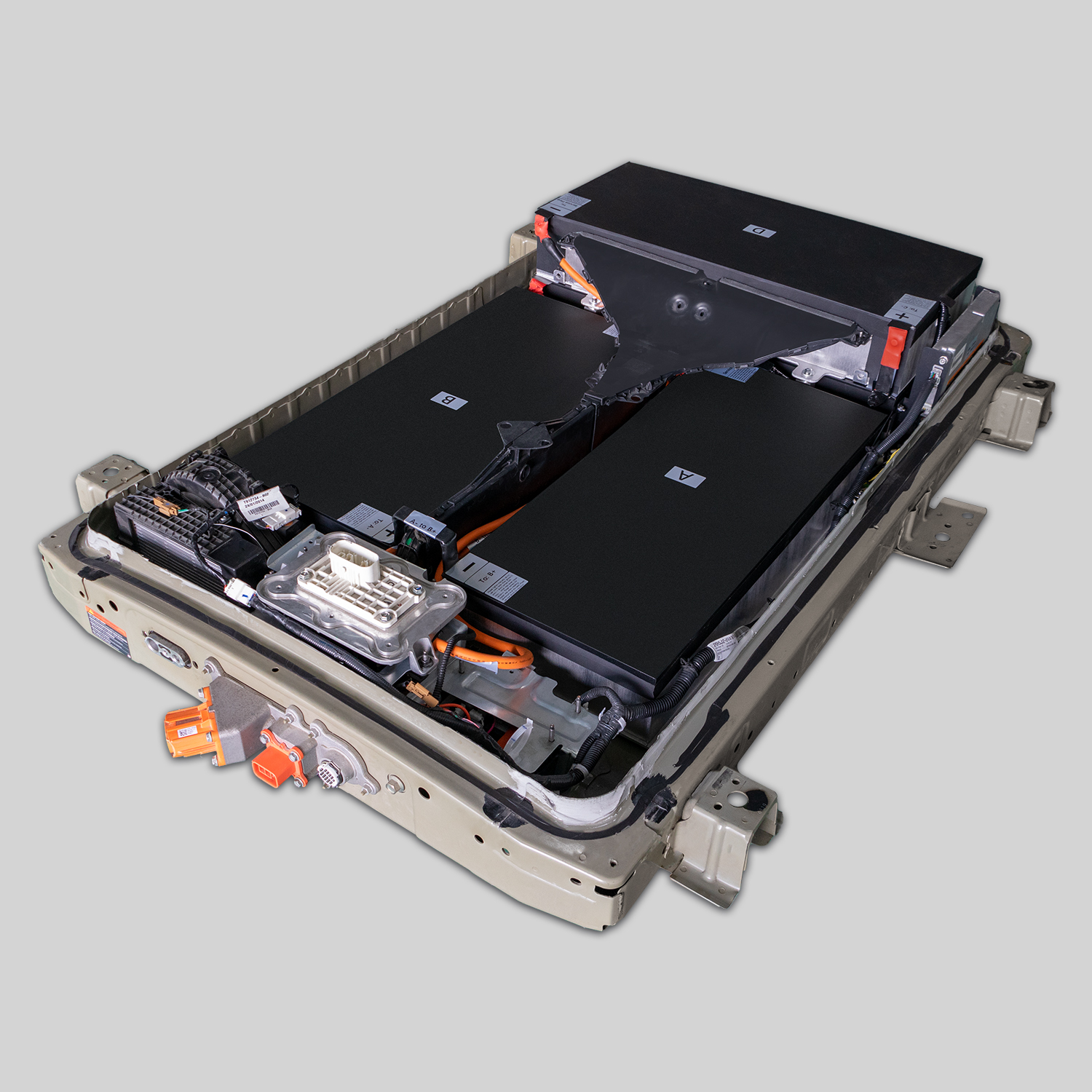
The Nissan Leaf AZE0 chassis was designed with modularity in mind. The physical dimensions, mounting points, and electrical connectors for the 24kWh and 30kWh packs are identical. This means you do not need to modify the chassis, cut wires, or fabricate new brackets.
What Changes Inside?
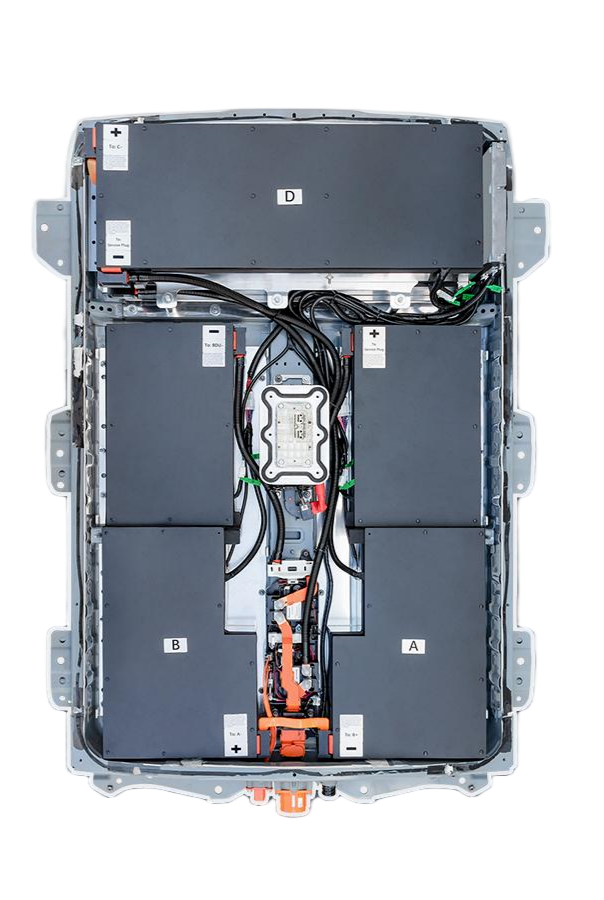
The upgrade involves replacing the internal modules. The 24kWh pack utilizes fewer or lower-capacity modules compared to the 30kWh variant. By installing modules with higher energy density or adding additional modules within the existing casing design, we achieve the capacity boost while maintaining the OEM form factor.
🔄 BMS & Software Considerations
One of the most frequently asked questions is whether the Battery Management System (BMS) needs reprogramming. In the case of the AZE0 24kWh to 30kWh swap, the compatibility is usually plug-and-play. The vehicle’s software generally recognizes the increased capacity automatically because the voltage range and communication protocols remain within the expected parameters for the Leaf platform.
Expert Note: While the hardware swap is physically simple, we always recommend this procedure be performed by a certified technician or someone with high-voltage electrical experience. Lithium-ion batteries store immense energy, and safety should be your top priority.
💰 The Economics: Is the Upgrade Worth It?
Let’s talk numbers. Buying a brand-new electric vehicle is expensive. However, replacing your old 24kWh pack with a refurbished unit can often cost upwards of $5,000 to $7,000, and you are still stuck with the same limited range.
The Value Proposition:
At CNS Battery, we specialize in providing OEM-compatible solutions that save you over 50% compared to dealership prices. Instead of paying a premium for a “like-for-like” replacement, you can invest in a 30kWh upgrade for a similar price point.
Think of it this way: You are not just fixing your car; you are upgrading it. You get the safety, the reliability, and the extended warranty of a new pack, but you walk away with 25% more range. For fleet owners and individual drivers alike, this represents the absolute best value for money in the EV aftermarket.
🛎️ Why Trust CNS Battery with Your Upgrade?
When you are modifying the heart of your vehicle, you cannot afford to take risks with unknown suppliers. You need a partner who understands the intricacies of Nissan Leaf engineering.
✅ Brand New CATL Cells
We do not sell refurbished or second-life cells. Every Nissan Leaf battery we manufacture utilizes brand-new, premium-grade cells sourced directly from CATL (Contemporary Amperex Technology Co. Limited), the world’s largest lithium-ion battery manufacturer. This ensures your 30kWh pack has a lifespan far exceeding that of recycled batteries.
🛡️ Unbeatable Warranty
We stand by our quality. We offer an industry-leading 2-year / 80,000km warranty on all our automotive batteries. This coverage includes protection against defects in materials and workmanship, as well as prorated coverage for performance degradation. If your battery falls below 70% capacity during the warranty period, we will repair or replace it.
📚 Lifetime Technical Support
Swapping a battery can be daunting. That is why we offer lifetime technical support. Whether you need help sourcing the right tools or guidance during the installation process, our team of experts is here to help. We even offer remote video guidance to ensure your installation goes smoothly.
📝 Step-by-Step: The Installation Process
While we highly recommend professional installation, understanding the steps involved helps you oversee the process or prepare for a DIY project.
Tools You Will Need:
- Insulated wrenches and socket sets
- Torque wrench
- Multimeter
- Safety gloves and glasses (High Voltage Rated)
1. Safety First: Disconnect the Power
Before touching any high-voltage components, ensure the vehicle is powered off. Locate the Maintenance Switch (usually in the rear cargo area or under the hood) and remove it. Use a multimeter to verify that there is no voltage present at the main contactors.
2. Remove the Underbody Panels
Jack up the vehicle and secure it on axle stands. Remove the plastic underbody shields to expose the battery casing.
3. Disconnect the Cables
Carefully disconnect the high-voltage (HV) cables and the low-voltage communication harnesses from the battery. Take note of the routing to make reinstallation easier.
4. Remove the Old Battery
Unscrew the mounting bolts securing the battery to the chassis. The pack is heavy, so use proper lifting equipment or have a helper. Remove the old 24kWh unit.
5. Install the New 30kWh Pack
Position the new 30kWh battery into the chassis. Reinstall the mounting bolts and torque them to Nissan specifications. Reconnect the HV cables and communication harnesses.
6. System Integration & Test
Reinstall the Maintenance Switch. Power on the vehicle. The dashboard should light up normally. Take the car for a short diagnostic drive to ensure the BMS communicates correctly and there are no error codes.
❓ Frequently Asked Questions (FAQ)
Q1: Will upgrading to 30kWh damage my Nissan Leaf AZE0’s motor or electronics?
No, it will not. The motor and inverter in the AZE0 are designed to handle the power output of larger battery packs found in the Nissan Leaf lineup. The 30kWh upgrade operates within the same voltage range as the stock system; it simply provides more energy (Amp-hours) rather than more power (Watts). Your car’s electronics will function exactly as designed, just for a longer period.
Q2: How long does the installation take?
For a professional technician, the physical swap usually takes between 1 to 2 hours. This includes draining the coolant (if applicable), removing the old pack, installing the new one, and refilling fluids. DIY enthusiasts may take longer, especially if doing it for the first time.
Q3: Is the 30kWh battery brand new, or is it refurbished?
At CNS Battery, we only provide brand-new battery solutions. We do not deal in refurbished or second-hand batteries. Your 30kWh pack will be manufactured using brand-new CATL cells, ensuring maximum lifespan, safety, and performance right out of the crate.
Q4: Can I install this upgrade myself?
Technically, yes, if you have experience working with high-voltage systems. However, we strongly advise against DIY unless you are a certified electrician. Lithium-ion batteries can be dangerous if short-circuited or damaged. If you do attempt it yourself, please follow our detailed video tutorials and wear proper protective equipment.
Q5: What is the price difference between the 24kWh and 30kWh packs?
While prices vary based on market conditions and shipping, the cost to upgrade from the 24kWh to the 30kWh is minimal compared to the value gained. We offer these upgrades at a fraction of the cost of a new Nissan OEM battery, often saving you over 50%. Contact us for a personalized quote based on your location.
🚀 Ready to Extend Your Range?
Don’t let a small battery limit your adventures. Upgrading your Nissan Leaf AZE0 from 24kWh to 30kWh is the smartest investment you can make for your electric vehicle. With CNS Battery, you get a brand-new, high-quality pack backed by a 2-year warranty and our expert support team.
Stop paying for a car you can’t drive far. Upgrade today and reclaim your freedom.