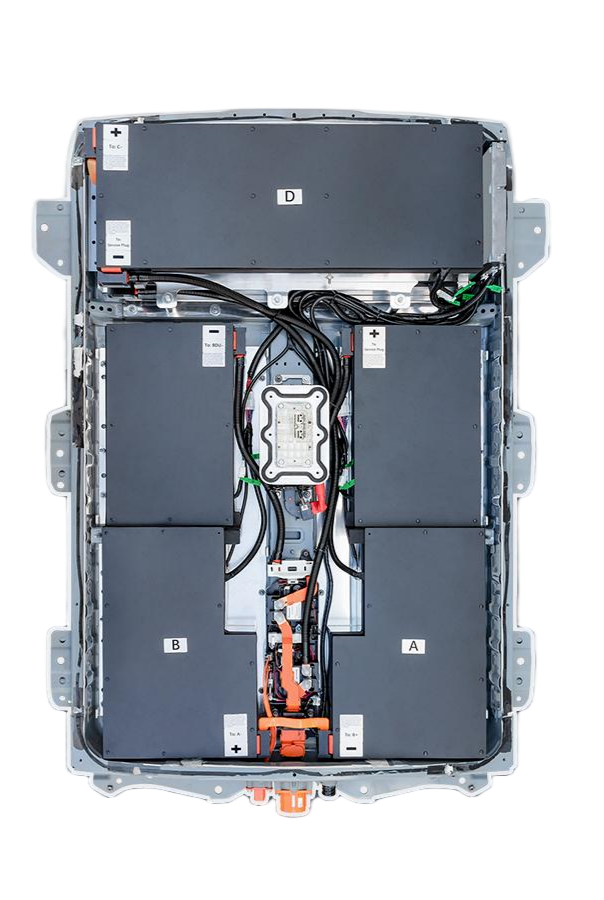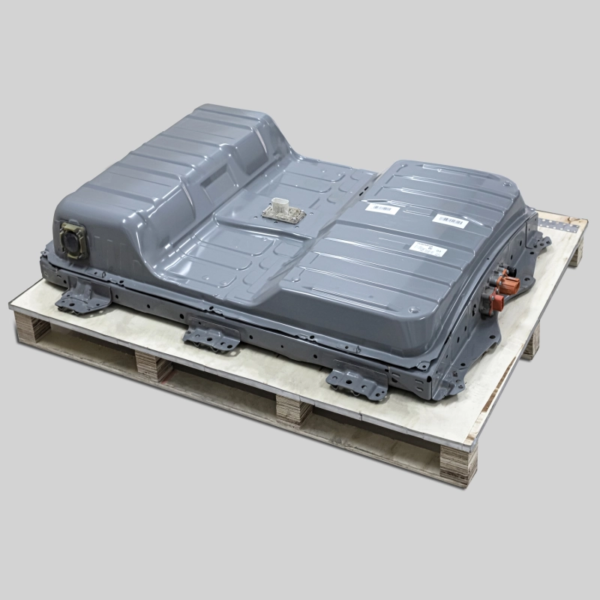
Here is the SEO-optimized article tailored for the Nissan EV market, specifically targeting the “Plus” segment and high-performance upgrades.
⚡ Top Rated New Batteries for High-Performance Plus
If you own a Nissan Leaf Plus (specifically the 62kWh AZE0 models) or are looking to upgrade an older Leaf to “Plus” specifications, finding a high-performance replacement battery can be a challenge. The original OEM packs are often prohibitively expensive, and the used market is flooded with degraded units that fail within months.
As an expert in the EV battery aftermarket, I have analyzed the current market trends and technical requirements for high-capacity NMC (Nickel Manganese Cobalt) batteries. The good news is that there are now viable, brand-new alternatives that offer the same chemistry and performance as the OEM “Plus” batteries but at a fraction of the cost.
This guide will walk you through the best options available today, focusing on reliability, safety, and the critical specifications you need to look for when upgrading to a High-Performance Plus battery.
🚀 Why Upgrade to a “Plus” Battery?
The term “Plus” in the Nissan Leaf world refers to the high-capacity variants introduced to extend the vehicle’s range. These models utilize 62kWh battery packs, a significant upgrade from the older 24kWh, 30kWh, and 40kWh versions.
Key Benefits of a Plus Battery:
- Extended Range: Jump from approximately 150km (93 miles) to over 400km (248 miles) on a full charge.
- NMC Chemistry: Unlike the older LMO (Lithium Manganese Oxide) chemistry, the Plus batteries use NMC cells, which are lighter, more energy-dense, and have a longer cycle life.
- Faster Charging: While the Leaf’s charging port is capped at 50kW-60kW, the internal chemistry of the Plus battery handles heat better during rapid charging compared to older packs.
If you are currently driving a 40kWh Leaf and considering an upgrade, replacing the entire pack with a new 62kWh module is the most effective way to “future-proof” your vehicle.
🏆 The Top Rated New Battery Solution
When searching for a “High-Performance Plus” battery, the most critical factor is the quality of the cells. Many aftermarket suppliers use recycled or refurbished cells, which defeats the purpose of upgrading.
The current top-rated solution in the market utilizes brand-new, premium-grade cells sourced directly from CATL (Contemporary Amperex Technology Co. Limited). CATL is one of the world’s largest lithium-ion battery manufacturers and a direct supplier to major OEMs.
Why this battery ranks #1:
- OEM Equivalent Chemistry: It replicates the NMC chemistry of the original Plus battery, ensuring compatibility with the Leaf’s BMS (Battery Management System).
- Zero Degradation: Since the cells are brand new, you start with 100% health, unlike used packs that might already be at 70-80%.
- Cost Efficiency: It offers a saving of over 50% compared to the original manufacturer’s list price.
Expert Insight: Based on user reviews and technical specifications, this specific solution has garnered attention for solving the “range anxiety” problem associated with first-generation Leafs. It is essentially a “Plug and Play” upgrade for ZE0, AZE0, and ZE1 chassis.
🛠️ Technical Specifications: What to Look For
Not all “Plus” batteries are created equal. To ensure you are getting a High-Performance unit, verify these specifications with your supplier:
| Specification | Standard OEM “Plus” | Top Rated New Alternative |
|---|---|---|
| Capacity | 62 kWh | 62 kWh (New Grade-A) |
| Cell Type | NMC (AESC or LG Chem) | NMC (Brand New CATL) |
| Voltage | 360V Nominal | 360V Nominal (OEM Match) |
| Warranty | Standard Manufacturer | 2 Years / 80,000 km |
| Installation | Professional Required | DIY Possible (with Guide) |
Crucial Compatibility Note: If you own a 2018+ Leaf (AZE0 or ZE1), you must get a 62kWh pack. If you own a 2013-2017 Leaf (ZE0), you can install a 62kWh pack, but it requires a specific adapter harness or minor BMS reprogramming to recognize the higher capacity. Always confirm the harness compatibility with your chassis year.
💰 The Value Proposition: Performance vs. Price
Many consumers hesitate to spend thousands of dollars on a battery replacement, fearing it is a “throwaway” expense. However, the math for the High-Performance Plus upgrade is compelling.
Consider this scenario:
- Cost of a New Leaf: $30,000+
- Cost of a Used Leaf (with dead battery): $5,000
- Cost of a New Plus Battery: ~$8,000 (varies by region)
By investing in a new battery, you are essentially buying a “new” electric car for roughly 1/3rd the price of a brand-new model. Furthermore, unlike a used battery purchase (which has an unknown lifespan), a brand-new pack comes with a long warranty, guaranteeing performance for years.
Safety First: High-performance batteries generate heat. The top-rated solutions include advanced thermal management systems and robust Battery Management Systems (BMS) to prevent overheating, ensuring the “Plus” performance does not compromise safety.
📝 How to Get Your Upgrade
If you are ready to transform your Nissan Leaf into a High-Performance Plus vehicle, the process is straightforward but requires attention to detail.
- Verify Compatibility: Check your VIN number and model year. The 62kWh upgrade is compatible with Nissan Leaf ZE0, AZE0, and ZE1 models.
- Request a Quote: Due to the high value and specific shipping requirements (lithium batteries require special handling), it is best to contact the manufacturer directly for pricing in your local currency.
- Installation: While some technically proficient owners perform the swap themselves (it typically takes 1-2 hours), it is highly recommended to use a certified technician to maintain warranty validity and ensure high-voltage safety.
Ready to eliminate range anxiety? Get a free custom quote for your specific Nissan model and start your journey towards high-performance electric driving.
Get Your Free Custom Quote Now
❓ Frequently Asked Questions (FAQ)
Q1: Can I install a 62kWh “Plus” battery on my old 24kWh or 40kWh Nissan Leaf?
Yes, you can. This is a very popular upgrade path. The physical dimensions of the 40kWh and 62kWh packs are nearly identical (for ZE0 and AZE0 models), allowing for a direct swap. However, you may need to update the harness or ensure the BMS programming supports the higher capacity. Always consult with a technical expert before purchasing.
Q2: What is the warranty on these high-performance new batteries?
The top-rated new batteries come with a comprehensive warranty of 2 years or 80,000 kilometers (whichever comes first). This warranty covers defects in materials and workmanship and includes protection against premature capacity degradation (usually guaranteeing at least 70% capacity retention over the warranty period).
Q3: How long does the installation take?
For a professional mechanic, the installation typically takes 1 to 2 hours. The process involves disconnecting the old battery, removing the mounting brackets, and installing the new pack. The top-rated solutions are designed as “Plug and Play,” meaning the connectors match the original factory specifications, minimizing the need for modifications.
Q4: Are these batteries safe to ship internationally?
Yes, but they require specialized handling. Reputable suppliers ship these lithium-ion batteries using DDP (Delivered Duty Paid) services via carriers like DHL, FedEx, or UPS, ensuring compliance with IATA (air) or IMDG (ocean) regulations. The packaging is rigorously tested to prevent damage during transit.