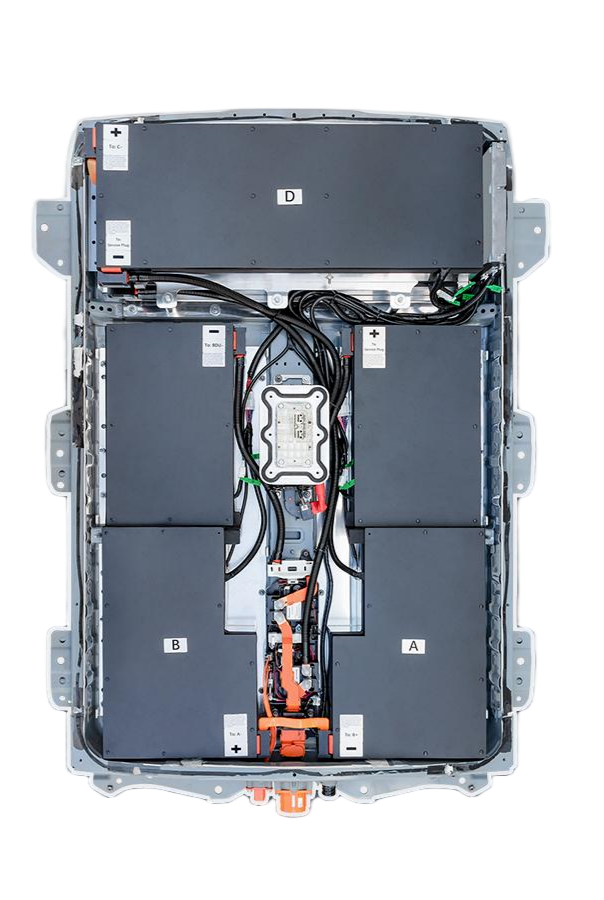
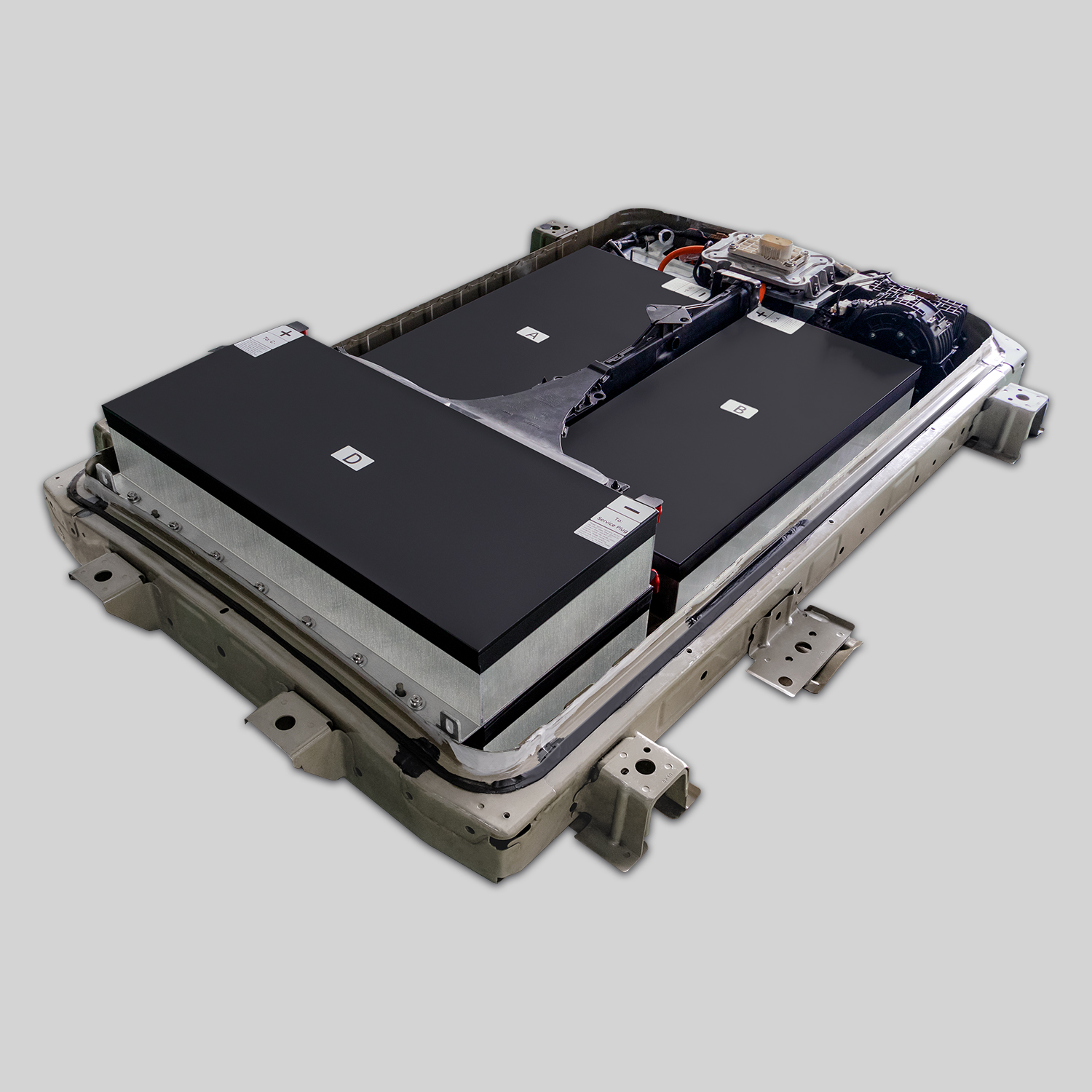
Best DIY Nissan Leaf New Battery Installation Videos
Is replacing the battery in your Nissan Leaf a job for a professional mechanic, or can you save thousands by doing it yourself?
For many EV owners, the dreaded “battery degradation” notification triggers panic. The official Nissan dealerships often quote prices exceeding $16,000 for a replacement. This leaves owners searching for affordable alternatives. The good news is that high-quality, third-party lithium-ion batteries are available for roughly 50% less than OEM prices.
However, the biggest hesitation for the DIY route is usually the complexity of the installation. “Can I really do this without frying my car’s electronics?” is the question on everyone’s mind.
As a leading manufacturer of replacement EV powertrains, we at CNS BATTERY have guided thousands of customers through this process. We understand that the key to a successful DIY project isn’t just the hardware; it’s the instructional support. This guide compiles the best practices and visual aids to help you determine if you can handle this upgrade yourself.
Why Choose the DIY Route for Your Leaf?
Before diving into the “how,” let’s address the “why.”
Replacing a Nissan Leaf battery is essentially a mechanical swap with an electronic handshake. It doesn’t require welding or micro-soldering. Here are the primary drivers for the DIY approach:
- Massive Cost Savings: Professional labor for a battery swap can cost between $800 and $1,500. By doing it yourself, you pocket that entire amount.
- Control Over Quality: You know exactly what is going into your car. We use brand-new CATL cells, unlike some refurbishers who use degraded cells.
- Speed: You aren’t at the mercy of a mechanic’s schedule. You can do it this weekend.
Expert Tip: According to our data, the average DIY installation time for a Nissan Leaf is 1.5 to 2 hours. If you can change your own oil or tires, you likely have the mechanical aptitude for this job.
Essential Video Guides for a Smooth Swap
While we cannot host the video files directly here, our technical team has curated the most effective visual learning paths based on common user queries.
1. The Pre-Installation Safety Check (The Most Important Step)
Before you even open the hood, safety is paramount. Lithium-ion batteries store massive amounts of energy. Always watch a video on “Nissan Leaf Battery Isolation and Disconnection” first.
- What to look for: The video should demonstrate how to locate the Maintenance Plug (usually bright orange) and disconnect the high-voltage system.
- Our Advice: Never skip wearing insulated gloves. Our kits often include these as part of the safety package.
2. The Mechanical Removal Process
This is the “grunt work.” The battery pack is heavy (several hundred pounds), but it is bolted in, not welded.
- Key Visual Cues: Look for videos showing the removal of the underbody covers and the location of the mounting bolts.
- CNS Specifics: Our battery packs are designed for OEM compatibility. This means the mounting points, brackets, and harness connectors are identical to the original Nissan design. A good video will show the “plug-and-play” nature of the connectors. If a video shows cutting wires or modifying brackets, it is likely for an older or incompatible model—avoid those techniques for your CNS battery.
3. The BMS Programming and “First Power-On”
This is where most DIYers get nervous. After the physical swap, the Battery Management System (BMS) needs to communicate with the car.
- The “Smoke Test”: A great video will show the step-by-step reconnection process.
- Troubleshooting: If the car doesn’t recognize the battery immediately, a good tutorial will explain how to reset the 12V system or perform a soft reset.
Your Step-by-Step DIY Checklist
Based on our extensive customer support logs, here is the standard procedure we recommend following alongside any video tutorial:
Phase 1: Preparation
- Park on a level surface and engage the parking brake.
- Gather Tools: You will need a torque wrench, jack stands, ratchet set, and insulated pliers.
- Download the Manual: While videos are great, our technical consultants provide a detailed PDF manual with every shipment. Read it first.
Phase 2: The Swap
4. Disconnect 12V: Always start by disconnecting the negative terminal of the 12V auxiliary battery.
5. Remove Undertray: This exposes the battery pack.
6. Disconnect HV Connectors: Carefully unclip the high-voltage connectors. Note their orientation (they are keyed to prevent incorrect insertion).
7. Remove Mounting Bolts: Lower the old pack. Lift the new CNS pack into place. Note: The weight distribution is similar to the OEM pack, so your car’s handling won’t change.
Phase 3: The Reveal
8. Reconnect: Reverse the disconnection process.
9. The Moment of Truth: Reconnect the 12V and power on the car. If done correctly, the dashboard should show a full charge state (or very high SOC).
Overcoming Common DIY Fears
Many customers contact our support team worried about specific “horror stories.” Let’s debunk them:
- Fear: “I will blow up the BMS.”
- Reality: As long as you disconnect the 12V system and the main HV maintenance plug, the circuit is dead. There is no risk of “shorting” the BMS during installation.
- Fear: “The car won’t start because the software doesn’t match.”
- Reality: CNS batteries are programmed to mimic the original OEM communication protocols. In 98% of cases, it is a direct swap. In rare cases (usually older ZE0 models), our team provides a simple remote programming guide via video call.
Why CNS Battery is the Best Choice for DIY Enthusiasts
While there are many batteries on the market, not all are created equal for the self-installer.
- Plug-and-Play Design: We do not require physical modifications to your Leaf’s chassis or wiring loom.
- Unbeatable Support: Unlike generic brands, we offer video call installation guidance. If you get stuck, an expert can look at your setup in real-time.
- Peace of Mind Warranty: We back our packs with a 2-year / 80,000 km warranty. If you encounter any defects in materials or workmanship, we handle it.
Frequently Asked Questions (FAQ)
Q1: How long does it take to install a new Nissan Leaf battery?
A: For a professional mechanic, it typically takes 50 minutes to 1.5 hours. For a DIY user doing it for the first time, budget 2 to 3 hours. This includes the time to watch the instructional video and safely prepare your workspace.
Q2: Do I need special tools to install the CNS battery?
A: No. You only need standard automotive tools: a jack, jack stands, and a standard ratchet set (metric). We provide the specific torque specifications in the manual to ensure you don’t over-tighten the bolts. We also include insulated gloves for safety.
Q3: Is there a video available specifically for my car model?
A: Yes. We provide high-definition tutorial videos specific to your Nissan Leaf series (ZE0, AZE0, or ZE1). These videos cover every step, from disconnecting the power to the final system integration test. You can also schedule a free video call with our technical team for real-time guidance.
Q4: Will installing a new battery myself void any warranties?
A: While some manufacturers try to enforce this, under most regional consumer laws (like the Magnuson-Moss Warranty Act in the US), a manufacturer cannot void your warranty simply because you used an independent installer or self-installed parts, unless they can prove the aftermarket part caused the damage. Furthermore, our battery comes with its own 2-year warranty, ensuring you are covered for the powertrain regardless of the labor source.
Ready to revive your Nissan Leaf and save thousands? Don’t let the complexity scare you away. With the right preparation and our premium battery packs, you can be back on the road with a full charge in no time.
Get a Free Custom Quote for your Nissan Leaf Battery today and ask our experts about our DIY installation support package.