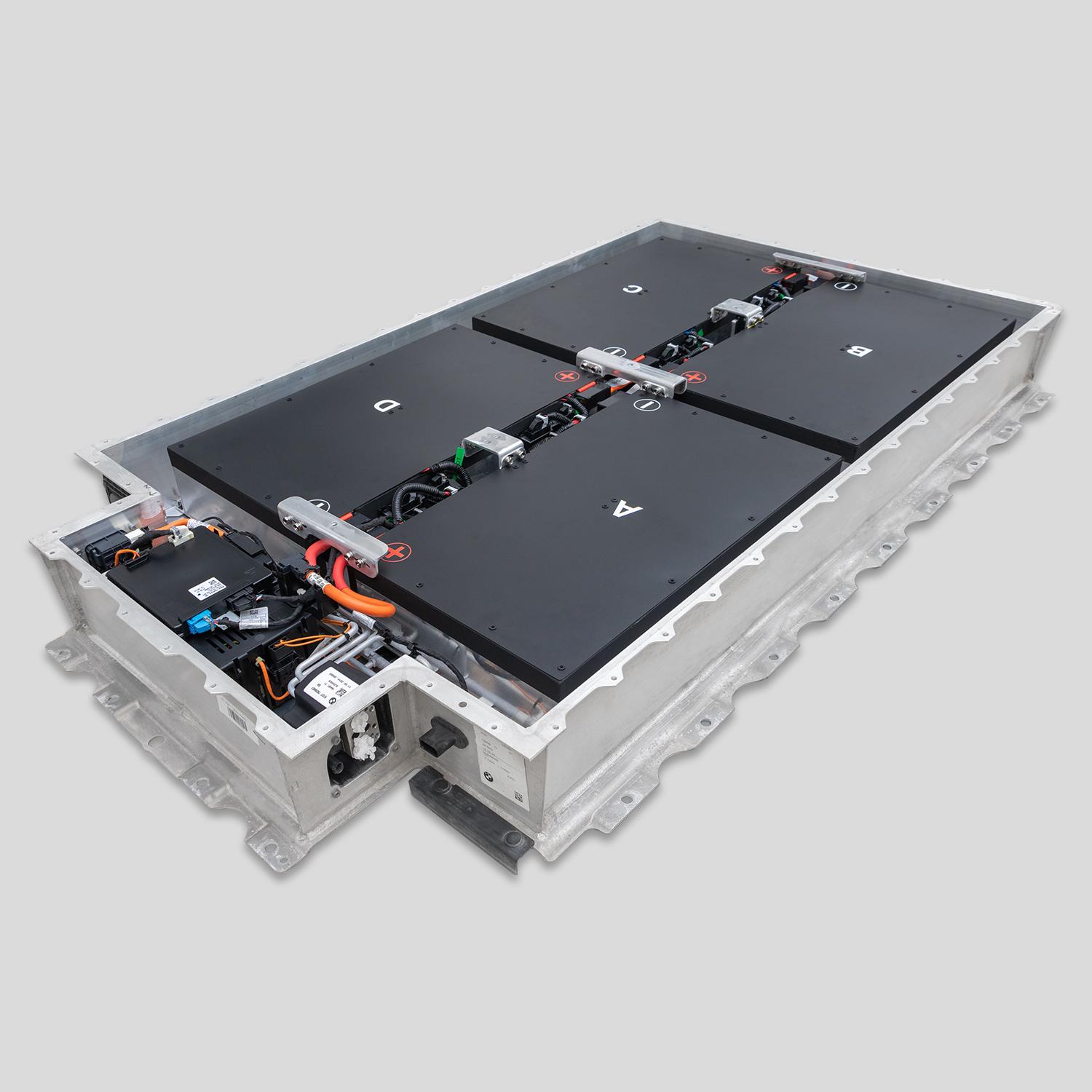
Here is the SEO-optimized article tailored for the Nissan Leaf e+ DIY market, designed to rank well and convert readers into customers.
Top DIY Tools & Expert Tips for Your Nissan Leaf e+ Battery Installation
Upgrading your Nissan Leaf e+ with a new lithium battery pack is one of the most rewarding projects for an EV enthusiast. Whether you are replacing a degraded pack or performing a capacity upgrade (such as going from 40kWh to 62kWh), the sense of accomplishment is immense. However, safety and preparation are paramount. As a leading manufacturer of OEM-compatible Nissan EV batteries, we have supported hundreds of DIY installations worldwide.
To ensure your project is a success, we have compiled this definitive list of the Top DIY Tools you need, along with expert insights to keep you safe and efficient.
🛠️ The Essential Toolkit: What You Really Need
While the exact tools can vary slightly depending on your specific Leaf model year (ZE0, AZE0, or ZE1), the core requirements remain consistent. Do not start the job unless you have the following items in your garage.
1. Torque Wrench (The Non-Negotiable Tool)
Guessing the tightness of battery bolts is a recipe for disaster. Over-tightening can strip threads or crack battery casings, while under-tightening leads to poor electrical connections and arcing.
- Why it matters: Ensures every bolt is tightened to the manufacturer’s specification (usually between 8-12 Nm for most connections).
- Pro Tip: Use a torque wrench with a 1/4″ or 3/8″ drive for the smaller terminal bolts.
2. Insulated Safety Gear (Gloves & Glasses)
Lithium-ion batteries operate at high voltages (typically 360V+ in the Leaf). Accidental short circuits can cause severe burns or electric shock.
- Why it matters: Safety first. Always wear dielectric (non-conductive) gloves and safety glasses when handling the high-voltage (HV) pack.
- Pro Tip: Keep a pair of clean, dry cotton gloves underneath the insulated gloves to prevent sweat from compromising the insulation.
3. Digital Multimeter (DMM)
You cannot see electricity, but you need to verify it is gone (or present) before and after installation.
- Why it matters: Used to check voltage levels before disconnecting the old battery and to verify system integrity after installing the new one.
- Pro Tip: Test your meter on a known power source (like a wall outlet) before starting work to confirm it is functioning.
4. Hydraulic Jack & Sturdy Jack Stands
The Leaf battery pack is heavy, often weighing over 300kg (660 lbs). You need to lift the car safely and support the pack during removal/installation.
- Why it matters: Floor jacks alone are unstable. Never work under a car supported only by a jack.
- Pro Tip: Use axle stands rated for your vehicle’s weight and consider using a transmission jack or engine crane to support the heavy battery pack during maneuvering.
5. Battery Memory Saver (12V Charger)
While not strictly for the HV pack, this is crucial for the 12V system.
- Why it matters: Disconnecting the main battery will cut power to the car’s ECU, causing it to lose its “memory” (radio presets, window auto-up, clock).
- Pro Tip: Plug a 12V battery maintainer into the cigarette lighter or OBD2 port to keep the low-voltage system alive while you work.
⚡ The Power of Preparation: Before You Pick Up a Wrench
Having the right hardware is only half the battle. The software—your knowledge and preparation—is equally important.
1. Secure the Correct Documentation
Do not rely on generic YouTube tutorials alone. You need specific, accurate diagrams for your chassis code.
- VIN Compatibility Check: Before you order a new pack, upload your Vehicle Identification Number (VIN) to confirm the exact wiring harness and connector type. At CNS Battery, we offer a free compatibility assessment to ensure the battery you receive matches your Leaf e+ perfectly, avoiding the nightmare of buying a pack that doesn’t fit.
2. Watch the Installation Video
Visual learning is key. We provide high-definition tutorial videos for the Nissan Leaf, which guide you through the process step-by-step:
- Step 1: Disconnect vehicle power.
- Step 2: Remove old battery mounting brackets.
- Step 3: Connect new battery cables.
- Step 4: Test voltage and system integration.
- Step 5: Reassemble and run diagnostics.
3. Plan for the “Dead Time”
Shipping a new lithium battery, especially internationally, requires planning due to IATA regulations.
- Timeline: If shipping via sea freight (DDP), plan for 4-8 weeks. For urgent needs, expedited air freight options are available but come at a higher cost.
- Storage: Ensure you have a dry, cool place to store the new pack if you cannot install it immediately upon arrival.
💰 Why Choose a Premium Upgrade?
You might be wondering why go through the trouble of a DIY install? The answer is simple: Value and Longevity.
Replacing your old Leaf battery with a brand-new CATL cell pack (like those offered by CNS Battery) provides a “like-new” driving experience. You are not just patching up an old battery; you are giving your car a new heart.
- Cost Efficiency: You save over 50% compared to dealer prices. For example, a full 62kWh replacement might cost $16,000 at a dealership but significantly less through a direct OEM-compatible solution.
- Warranty Peace of Mind: A top-tier supplier offers a robust warranty (such as 2 years / 80,000 km), covering manufacturing defects and providing free replacement or repair if issues arise.
- Performance Boost: Many DIYers upgrade to a higher kWh rating. Moving from a 40kWh to a 62kWh pack can increase your range from 120km to over 430km on a full charge.
📝 The Step-by-Step Process
Once your tools are laid out and your new battery has arrived in its robust, fumigation-free wooden crate, follow this general workflow:
- Isolate the Vehicle: Disconnect the 12V battery and wait 10 minutes to ensure all capacitors in the inverter are discharged.
- Remove the Undertray: This exposes the battery mounting points.
- Disconnect HV Cables: Carefully unbolt the main positive and negative terminals. Use your multimeter to confirm 0V before touching connectors.
- Lower the Old Pack: Using your jack or engine crane, slowly lower the old unit.
- Install the New Pack: Lift the new CNS battery into place. This is where the engine crane is invaluable.
- Reconnect & Torque: Reattach the HV cables and torque them to spec. Reinstall the undertray.
- System Reset: Reconnect the 12V battery. The car may require a BMS (Battery Management System) reset or programming, which our customer service can guide you through via video call if needed.
🌟 Conclusion: Ready to Revive Your Ride?
Performing a Nissan Leaf e+ battery replacement is a challenging but achievable task for the dedicated DIYer. By gathering the Top DIY Tools mentioned above and partnering with a reliable supplier that offers OEM-standard R&D, ultimate safety, and long battery life, you can transform your daily driver.
Don’t let an old, degraded battery limit your range. With the right preparation, you can complete this project in about 2 hours and enjoy the road with confidence once again.
Get a Free Custom Quote for your Nissan Leaf e+ today and get back on the road with a full charge.
Contact Our Technical Experts Now
❓ Frequently Asked Questions (FAQ)
Q1: How long does it take to install a new Nissan Leaf battery?
For a professional technician, the physical installation typically takes about 50 minutes to 1 hour. For a DIY user, especially if this is your first time, we recommend setting aside 2 hours. This includes the time to safely lift the vehicle, remove the old pack, install the new one, and perform the final voltage checks.
Q2: Is it safe to do this myself?
Yes, but only if you strictly follow safety protocols. You must wear insulated gloves and safety glasses. It is crucial to disconnect the 12V power and wait for the high-voltage system to discharge before touching any cables. If you are unsure about the BMS programming or wiring connections, our customer service team offers free remote video guidance to assist you step-by-step.
Q3: What kind of warranty comes with a DIY battery pack?
Reputable manufacturers, such as CNS Battery, offer comprehensive warranties on their packs regardless of who installs them (DIY or professional). We provide a minimum 2-year / 80,000 km warranty that covers defects in materials and workmanship. This includes protection against issues like capacity degradation (ensuring the battery maintains at least 70% capacity) and manufacturing faults.