How DIY Enthusiasts Can Save Money on Nissan Leaf Battery Repair
Owning a Nissan Leaf is a smart choice for eco-conscious drivers, but as the years roll by, battery degradation becomes an inevitable reality. For many Leaf owners, the prospect of a battery replacement brings anxiety—not just about the environmental impact, but about the hefty price tag. The official dealership quotes for a new OEM battery can easily soar past $10,000 or even $16,000, making the car seem disposable.
However, there is a smarter, more affordable path forward. As a seasoned expert in the EV battery aftermarket, I have seen firsthand how Do-It-Yourself (DIY) enthusiasts are saving thousands of dollars by replacing their Nissan Leaf batteries themselves. This guide will walk you through exactly how to cut costs, the risks of cheap alternatives, and why choosing the right supplier is crucial for a successful, wallet-friendly repair.
Why the Dealership Price is So High
Before we dive into the DIY savings, it is essential to understand what you are paying for at a dealership.
When you purchase a replacement battery from a Nissan dealer, you are not just buying lithium-ion cells and a casing. You are paying for:
- Brand Premium: The Nissan name carries a significant markup.
- Labor and Overhead: The price includes the mechanics’ time, the shop’s rent, and administrative costs.
- Recycling Fees: Dealerships have strict, costly protocols for handling the old, hazardous battery pack.
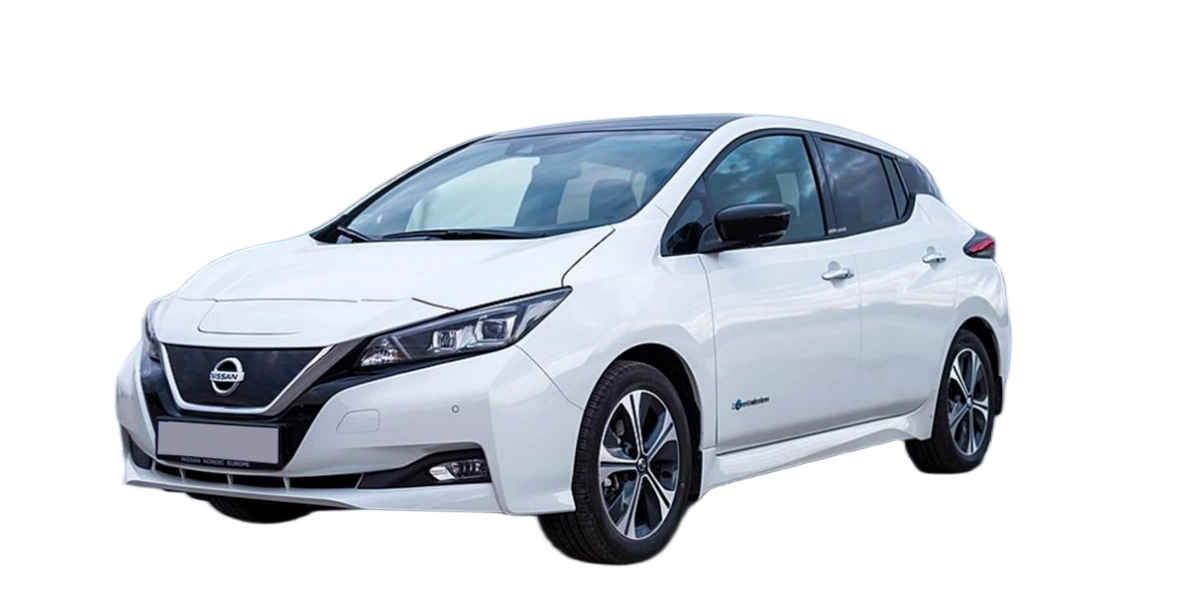
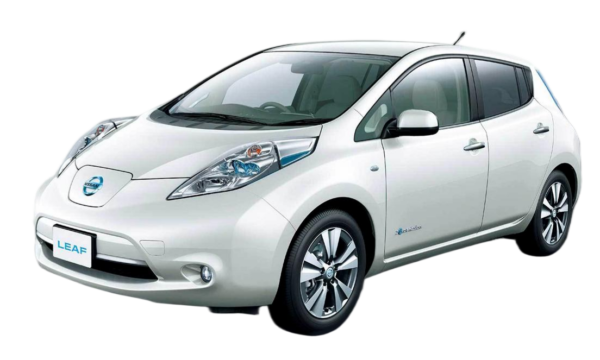
While this route offers convenience, it offers very little value for money if you are mechanically inclined. For many owners, especially those with older Leaf models like the ZE0 or ZE1, paying such a premium to extend the life of their vehicle simply does not make financial sense.
The DIY Advantage: Cutting Out the Middleman
The core philosophy of DIY battery replacement is simple: buy the core component directly from the manufacturer and install it yourself.
By eliminating the dealership markup and the labor costs, you can reduce the total expense of a battery replacement by over 50%. Instead of spending $15,000, you could be looking at a cost closer to $7,000 or $8,000 for a brand-new, high-capacity pack.
The True Cost Comparison
To illustrate the massive gap in value, let us compare the standard options available to a Leaf owner facing a dead battery.
| Option | Estimated Cost | Battery Quality | DIY Required? | Long-Term Risk |
|---|---|---|---|---|
| Dealership Replacement | $12,000 – $16,000+ | New OEM | No | Low (Official Warranty) |
| Cheap Refurbished Pack | $4,000 – $6,000 | Used/Recycled | Yes | High (Swelling, Failure) |
| DIY New Battery (CNS) | $7,000 – $9,000 | Brand New Cells | Yes | Low (2-Year Warranty) |
As you can see, the DIY route with a new battery strikes the perfect balance between affordability and reliability.
Avoiding the “Cheap” Trap: Why New Beats Refurbished
This is where many DIYers make a costly mistake. Seeing the high price of new batteries, they are tempted by listings for “$2,000 Leaf Batteries” online. Do not be fooled. These are almost always refurbished units made from recycled cells.
Here is why buying used cells is a false economy:
- Unknown History: You do not know how many cycles the cells have endured or if they were damaged in a previous accident.
- Degradation: Recycled cells have already lost a significant portion of their capacity. You might only get 1-2 years of usable life before the range drops again.
- Safety Hazards: Poorly refurbished packs are prone to swelling, overheating, and even fire risks due to inconsistent cell chemistry.
The smart DIY approach is to source a battery built with brand-new, premium-grade cells (such as those from CATL) directly from a manufacturer. This way, you get the safety and longevity of a new pack without the dealership markup.
How to Successfully Install a Leaf Battery Yourself
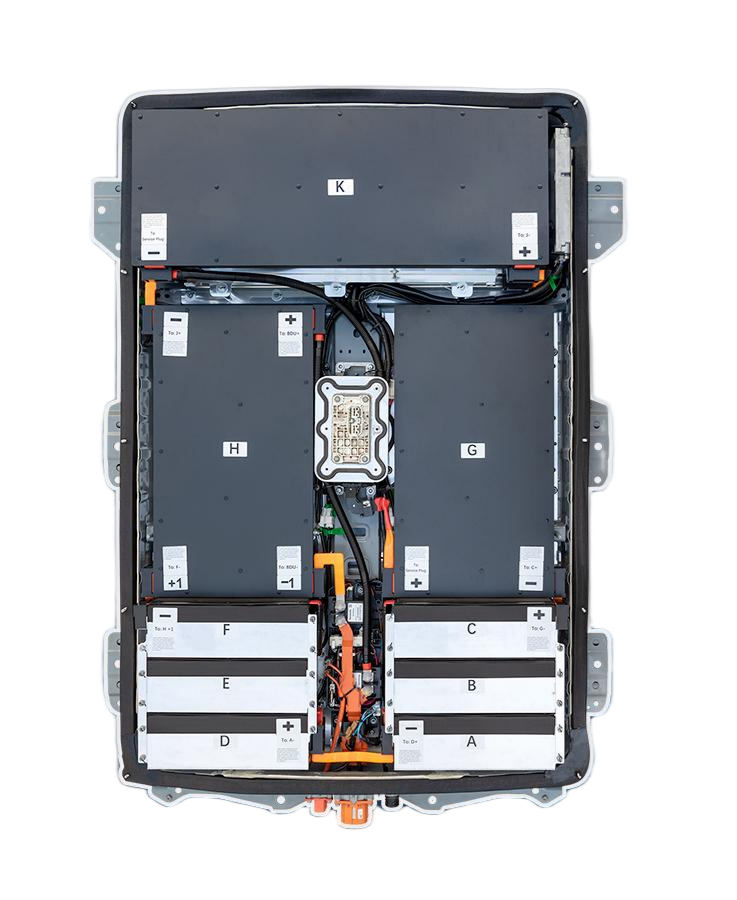
Replacing the traction battery in a Nissan Leaf is not for the faint of heart, but it is absolutely achievable for a competent DIYer with the right tools and guidance. It is a complex mechanical task, but the electrical connection is usually plug-and-play.
Step 1: Verification and Compatibility
Before you order anything, you must verify compatibility. Every Leaf model (ZE0, ZE1, AZE0) has specific voltage and connector requirements.
- Action: Use a supplier’s VIN check service or consult their technical team to ensure the 40kWh, 50kWh, or 62kWh pack you order is a direct fit for your specific year and model.
Step 2: Tools and Preparation
You will need standard automotive tools, insulated gloves, and a torque wrench. Most importantly, you need a safe workspace and a way to lift the vehicle securely.
- Tip: Ensure you have a pallet or dolly to slide the heavy battery pack out from under the car.
Step 3: The Removal Process
The old battery is heavy (several hundred pounds) and contains high-voltage electricity.
- Disconnect the 12V Battery: Always start here to kill all power.
- Remove Undertray Shields: This exposes the battery casing.
- Disconnect Cables: Carefully disconnect the high-voltage cables and signal connectors.
- Unbolt the Pack: Remove the mounting bolts and lower the pack.
Step 4: Installation and Programming
This is where modern DIY gets easier. Most new replacement batteries are designed to be “plug-and-play.”
- Physical Install: Slide the new pack in, bolt it up, and reconnect the cables.
- BMS Programming: This is the critical step. The Battery Management System (BMS) needs to be initialized to communicate with your car. Reputable manufacturers provide detailed video guides or even remote video support to walk you through this software step.
The CNS Battery Advantage for DIYers
At CNS Battery, we have spent over a decade refining the art of EV battery manufacturing specifically for Nissan and BMW models. We understand that our customers are often hands-on enthusiasts looking for the best value.
Why our DIY customers succeed:
- Direct from Factory: We cut out all the middlemen, passing the 50%+ savings directly to you.
- Plug-and-Play Design: Our packs are engineered to match OEM dimensions and connectors perfectly, minimizing modification work.
- Expert Support: We do not just ship a box and disappear. Our technical team provides video call installation guidance and detailed manuals so you are never alone with a problem wrench.
- Unbeatable Warranty: We back our new batteries with a 2-year / 80,000 km warranty, which actually exceeds the coverage offered by many original manufacturers for replacement packs.
Frequently Asked Questions (FAQ)
1. Is it safe for me to replace the battery myself?
Yes, as long as you follow proper safety protocols. The most important rule is to always disconnect the 12V auxiliary battery first to ensure there is no power running through the system. Wear insulated gloves when handling high-voltage cables. If you are uncomfortable with the software programming (BMS setup), contact the supplier for remote assistance.
2. How much money can I realistically save?
Most of our customers report saving between $7,000 and $10,000 compared to dealership prices. For example, a customer who might pay $16,000 at a dealership for a new Leaf battery can purchase a brand-new 62kWh CNS battery for approximately $7,800, plus their own labor.
3. What if my car does not accept the new battery?
This is a common fear, but it is largely unfounded with modern new batteries. Unlike recycled packs that might have mismatched cell chemistry, new batteries from reputable manufacturers like CNS use standardized cells that communicate seamlessly with the Nissan BMS. We provide compatibility checks and programming support to ensure a 100% success rate.
4. How long does the installation take?
For a professional mechanic, it typically takes 1-2 hours. For a DIYer doing it for the first time, expect to spend a full day (4-6 hours). This includes draining the coolant (if applicable), removing the old pack, installing the new one, and refilling fluids.
5. Are these batteries legal to install in my country?
Laws vary by region. Generally, installing an aftermarket battery is legal for private use, but it may affect your eligibility for certain government EV incentives (which usually only apply to new car purchases). We recommend checking your local regulations regarding EV modifications and recycling fees.
Ready to Revive Your Nissan Leaf?
Don’t let a dead battery force you into buying a new car. By leveraging your DIY skills and sourcing a direct-from-factory battery, you can restore your Leaf to “like new” range for a fraction of the cost.
Get Your Free Custom Quote Today
Stop overpaying for old technology. Visit our contact page to verify compatibility with your specific Leaf model and receive a personalized quote that beats the dealership price by thousands.