🌡️ The Ultimate Guide to Thermal Management for Nissan e-NV200 Owners
Is your Nissan e-NV200 struggling with range anxiety during summer heatwaves or winter chills? You’re not alone. As an electric vehicle owner, managing your battery’s temperature is the single most critical factor in maintaining performance and longevity. Unlike the Nissan Leaf, which has distinct thermal management systems depending on the model year (ZE0, AZE0, ZE1), the Nissan e-NV200 typically relies on a passive thermal management system.
This means the battery pack depends heavily on ambient air cooling rather than a complex liquid cooling loop. While this design keeps the vehicle lightweight and efficient, it also makes the e-NV200 more susceptible to extreme temperatures. In this guide, we will walk you through the mechanics of the e-NV200’s thermal system and provide actionable expert tips to protect your investment.
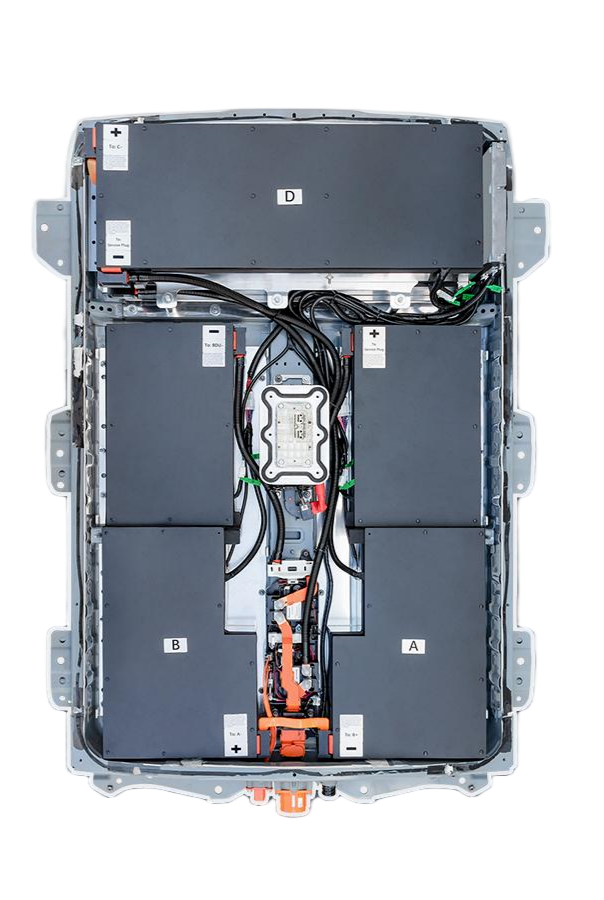
🔋 Understanding the e-NV200 Battery Structure
The Nissan e-NV200 generally utilizes a 24 kWh or 40 kWh lithium-ion battery pack. Unlike its sedan counterpart, the e-NV200’s thermal management is primarily passive.
- Air-Cooled Design: The pack is designed to dissipate heat through the metal casing and internal airflow channels.
- No Active Liquid Cooling: Unlike modern Teslas or newer Leafs, there is no radiator or coolant pump actively regulating the core temperature of the cells.
Why This Matters: Without active cooling, the battery cells can overheat during rapid charging or high-speed driving in hot weather. Conversely, in freezing temperatures, the chemical reactions inside the battery slow down significantly, reducing available capacity.
🌞 Summer Survival: Preventing Overheating
High temperatures are the biggest enemy of lithium-ion batteries. If your e-NV200 battery gets too hot, the Battery Management System (BMS) may restrict power to protect itself, leading to reduced acceleration and charging speed.
1. Avoid Peak Sun Charging
Never charge your vehicle during the hottest part of the day (usually 11 AM – 3 PM). Charging generates internal heat; combining this with external heat can push the cells into the danger zone (above 45°C / 113°F).
2. Preconditioning is Key
If you have a scheduled charging setup, try to start charging in the early morning or late evening. If you must DC fast charge, park in the shade immediately afterward to allow the pack to cool down naturally.
3. Monitor Charging Cycles
Rapid DC charging creates more heat than Level 2 AC charging. For daily use, rely on AC charging to minimize thermal stress. Reserve DC charging for long-distance emergencies.
❄️ Winter Warriors: Maximizing Cold Weather Range
Cold weather can reduce the e-NV200’s range by up to 30-40%. This isn’t just because the heater is on; the battery chemistry itself becomes sluggish.
1. Pre-Conditioning (While Plugged In)
This is the most important tip. Before you unplug and drive, warm up the battery while it’s still connected to the grid.
- Set your charging timer to finish 15-30 minutes before your departure.
- The BMS will use grid power to warm the cells to their optimal operating temperature (around 20-25°C).
- Result: You leave with a warm battery, maximizing efficiency from the first mile.
2. Gentle Driving Until Warm
Until the battery reaches operating temperature, avoid hard acceleration. The resistance in cold cells is high, and pushing them too hard can cause voltage sag and potential damage.
🛠️ The Upgrade Path: 40 kWh & 62 kWh Solutions
If you find the standard thermal limitations restrictive, many e-NV200 owners are turning to upgraded battery solutions. At CNS BATTERY, we specialize in providing high-performance replacements for Nissan EVs, including the e-NV200.
We offer upgraded modules, such as the 40 kWh lithium battery pack and even the 62 kWh lithium battery pack, which are compatible with specific conversion setups. Upgrading your battery isn’t just about range; modern aftermarket solutions often incorporate enhanced thermal monitoring features.
Expert Insight: When upgrading your e-NV200 battery, ensure the new pack is designed with thermal expansion in mind. Poorly designed aftermarket packs can warp in summer heat due to lack of structural support.
Why Choose a CNS Battery Upgrade?
If you are looking to future-proof your vehicle against thermal challenges, our batteries are engineered with the following advantages:
- Premium Cell Quality: We utilize brand-new, top-tier cells (such as those from CATL) that have superior thermal stability compared to degraded or refurbished cells.
- Optimized BMS: Our Battery Management Systems are finely tuned to monitor individual cell temperatures more accurately than the original factory system, preventing hot spots.
- OEM Compatibility: Our packs are designed to fit the e-NV200 chassis perfectly, ensuring proper airflow channels are maintained.
📝 Maintenance Checklist for Thermal Health
To keep your e-NV200 running cool and efficient, perform these simple checks regularly:
| Checkpoint | Action Required |
|---|---|
| Air Vents | Ensure the intake and exhaust vents on the battery casing are clear of debris, leaves, or snow. Blocked vents trap heat. |
| Undertray | Keep the underbody panel clean. Mud and grime act as insulation, trapping heat against the battery pack. |
| Tire Pressure | Properly inflated tires reduce rolling resistance, which in turn reduces the energy (and heat) required to move the vehicle. |
💡 Frequently Asked Questions (FAQ)
Q1: Can I retrofit active liquid cooling to my e-NV200?
A: Technically, yes, but it is highly complex and expensive. It involves redesigning the battery pack, adding pumps, radiators, and coolant loops. For most owners, optimizing driving habits and upgrading to a higher-quality air-cooled pack (like the CNS 40 kWh option) is a more practical and cost-effective solution.
Q2: Why does my range drop so much in winter?
A: Lithium-ion batteries rely on chemical reactions. In cold weather, the electrolyte solution thickens, and ions move slower. This reduces the battery’s ability to accept a charge and deliver power. Pre-heating the battery while plugged in is the best defense.
Q3: Are refurbished batteries good for thermal management?
A: Generally, no. Refurbished batteries often use aged cells that have degraded internal chemistry. These cells generate more heat during charging and are less efficient at managing temperature swings. For reliable thermal performance, brand-new cells from a reputable manufacturer like CNS are recommended.
Q4: How do I know if my battery is overheating?
A: Symptoms include sudden power reduction (limp mode), the battery warning light illuminating, or the car refusing to charge. If this happens, stop driving, park in a cool/shaded area, and let the battery rest for several hours.
🚀 Ready to Optimize Your e-NV200?
Don’t let temperature extremes limit your electric journey. Whether you need expert advice on maintaining your current battery or are considering an upgrade to a 40 kWh or 62 kWh lithium battery pack for better performance, the team at CNS BATTERY is here to help.
We are committed to reliable battery innovation, helping you extend your range and improve safety.