⚡ Expert Review: Upgrading Your Nissan e-NV200 to a 62kWh Battery
The Nissan e-NV200 is a versatile workhorse, loved by delivery fleets and families alike for its practical sliding doors and boxy silhouette. However, if you own an older model (particularly the 24kWh or 30kWh variants), you know the struggle: range anxiety is real.
As a seasoned expert in electric vehicle (EV) battery solutions, I’ve seen the market evolve. The solution for many e-NV200 owners isn’t buying a new car, but a strategic battery upgrade. Specifically, upgrading to a 62kWh Lithium-Ion Pack.
This isn’t just about adding more miles; it’s about restoring your vehicle to its former glory—or even surpassing it. In this deep dive, I will walk you through why the 62kWh upgrade is the “Goldilocks” solution for the e-NV200 and what you need to know about the installation process to ensure a smooth transition.
🚚 Why Upgrade? The Range Revolution
Let’s look at the hard numbers. The original specifications of the e-NV200 were based on older battery technology.
| Battery Capacity | Approx. Real-World Range (Summer) | Best For |
|---|---|---|
| 24kWh (Original) | 80 – 100 km | Very short urban hops |
| 30kWh (Original) | 110 – 130 km | Light city delivery |
| 62kWh (Upgrade) | 250 – 280 km | Long-distance delivery, road trips |
The Verdict: If you are using your e-NV200 for commercial logistics or need to cover significant ground daily, the 62kWh upgrade is essential. It effectively doubles (or even triples) your operational radius, making the vehicle viable for modern demands.
🛠️ The Installation Process: What to Expect
One of the biggest concerns I hear from owners is: “Is this a massive engineering project?” The answer depends on your chassis year and the specific solution you choose.
1. Compatibility Check (The Most Important Step)
Before any tool touches the chassis, you must verify compatibility. The Nissan e-NV200 shares platforms with the Nissan Leaf, but the battery mounting points and cooling systems can differ.
- For most conversions: You will need a battery pack that matches the ZE0, ZE1, or AZE0 footprint.
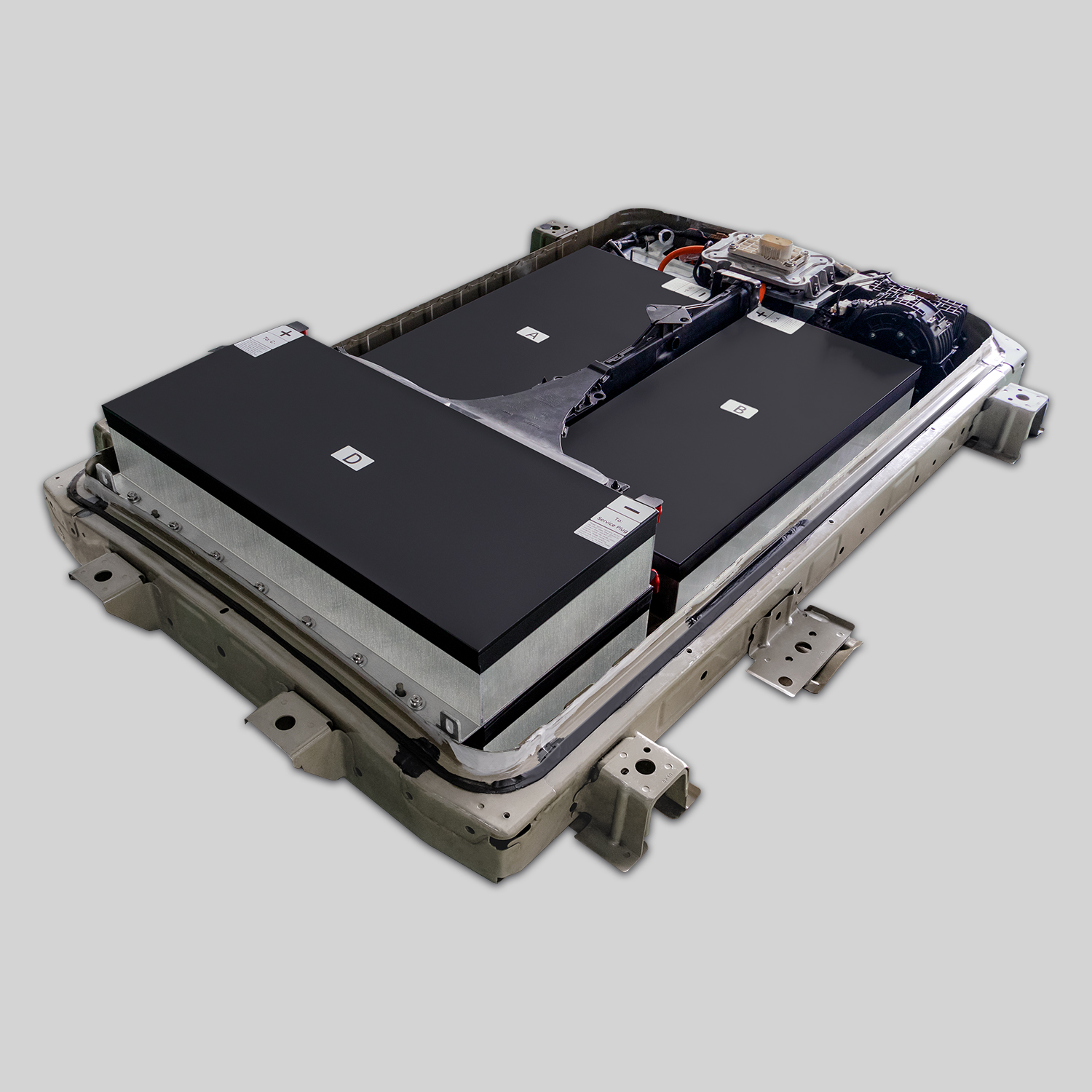
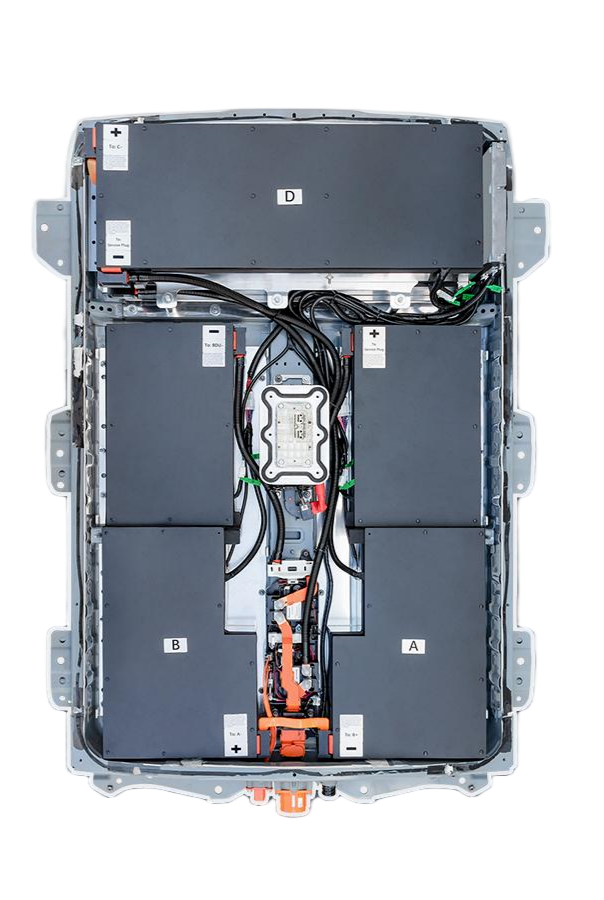
- Critical Note: The 62kWh pack is physically larger and heavier than the original 24kWh unit. You must ensure your vehicle’s Battery Management System (BMS) can communicate with the new cells.
2. The Physical Swap
This is generally considered a “Plug-and-Play” operation for professionals, but it requires strict safety protocols.
- Time Estimate: 1-2 hours for a skilled technician.
- Key Steps:
- Disconnect: Isolate the 12V system and the high-voltage (HV) interlock loop.
- Remove: The old battery tray is unbolted from the undercarriage.
- Install: The new 62kWh pack is mounted. Note: Depending on the aftermarket kit, you may need to modify the rear cross-member slightly to accommodate the larger size, or use specific adapter brackets.
- Reconnect: The HV cables and signal connectors are attached.
3. BMS Programming & Calibration
This is where many DIY attempts fail. You cannot simply bolt in new cells.
- You need to reprogram the BMS to recognize the new State of Charge (SOC) and State of Health (SOH) parameters.
- Tip: Ensure the technician resets the “Battery Bar” count. The e-NV200 dashboard relies on this data to display the correct range.
🔋 Why Choose a 62kWh Lithium Pack?
When sourcing a replacement battery, you have options: refurbished (used) cells or brand new. As an expert, I strongly advocate for Brand New Lithium-Ion (NMC) chemistry for the following reasons:
- Zero Degradation: Refurbished packs start their second life already degraded. A new 62kWh pack starts at 100% capacity.
- Safety: New cells from reputable manufacturers (like CATL) have stricter quality control, reducing the risk of thermal runaway.
- Longevity: A new pack is designed to last 8-10 years, offering a better return on investment for a commercial vehicle.
📝 Expert Tips for a Successful Upgrade
Based on years of technical support, here are my top three recommendations to avoid common pitfalls:
- Check the VIN First: Do not order a battery without providing your Vehicle Identification Number (VIN) to the supplier. Nissan made subtle changes to the battery connectors over the years.
- Winter Range is Key: While the 62kWh gives you 280km in summer, expect this to drop to around 200km in cold climates. Ensure this still fits your operational needs.
- Warranty Matters: You are investing in a critical component. Insist on a warranty that covers both parts and labor, specifically for the OEM compatibility of the installation.
💡 Conclusion: Is it Worth it?
Upgrading your Nissan e-NV200 to a 62kWh battery is a cost-effective alternative to purchasing a new electric van. It revitalizes the vehicle, making it suitable for modern commercial use.
If you are ready to eliminate range anxiety and get your van back on the road with full power, the next step is to get a customized quote.
Ready to Upgrade?
Get a free, no-obligation quote for your specific e-NV200 model today.
Contact Our Technical Experts Now
❓ Frequently Asked Questions (FAQ)
Q1: How much does a 62kWh Nissan e-NV200 battery cost?
The cost varies significantly based on cell quality. A pack using brand new CATL cells typically costs less than 50% of a dealership’s OEM replacement price. Refurbished options are cheaper but carry higher risks of premature failure. Expect the investment to be recouped quickly through operational savings compared to buying a new vehicle.
Q2: Can I install the 62kWh battery myself?
While the process is documented as “Plug-and-Play,” we strongly recommend professional installation. Handling high-voltage lithium-ion batteries requires specific insulated tools and safety gear. Furthermore, BMS programming is a technical step that usually requires proprietary software or dongles that only certified mechanics possess.
Q3: Will this upgrade affect my vehicle’s warranty or software?
A high-quality, OEM-standard 62kWh pack should communicate seamlessly with your car’s software (VCU/T-Box). However, it is crucial to choose a supplier that guarantees compatibility with your specific model year to prevent dashboard errors or charging incompatibility.
Q4: How long does shipping take?
Shipping times for lithium-ion batteries depend on the method. Air freight is faster (1-2 weeks) but more expensive, while sea freight (4-8 weeks) is more economical for such heavy cargo. Always confirm the shipping regulations for your country before ordering.