The Ultimate Guide to Thermal Management for Leaf ZE1 Owners
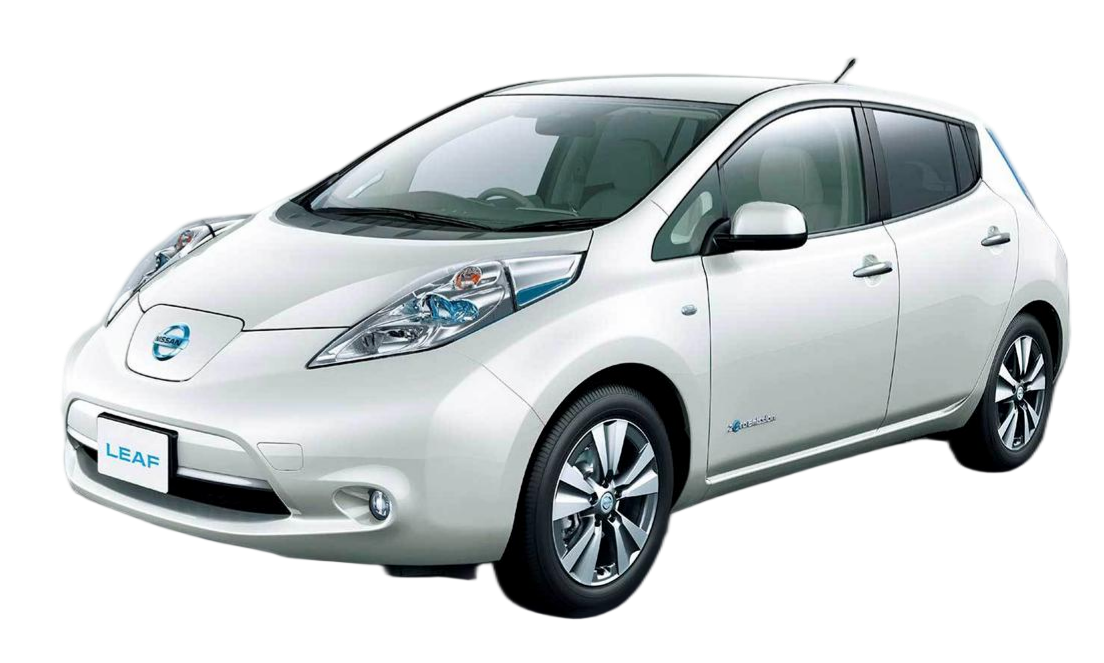
The Nissan Leaf ZE1 (2018-2024) is a workhorse on the road, but for owners in hot climates or those pushing for maximum range, the stock battery thermal management system can feel like an afterthought. Unlike the liquid-cooled packs found in many modern EVs, the ZE1 relies primarily on passive air cooling.
As a CNS BATTERY expert, I’ve seen firsthand how heat is the number one enemy of lithium-ion longevity. If you own a ZE1, understanding how to manage heat isn’t just about comfort; it’s about protecting your investment. In this guide, we’ll break down the thermal realities of the ZE1 pack and how our OEM-compatible replacement solutions are engineered to keep your battery cool and performing like new.
Why Heat is the Enemy of Your ZE1 Battery
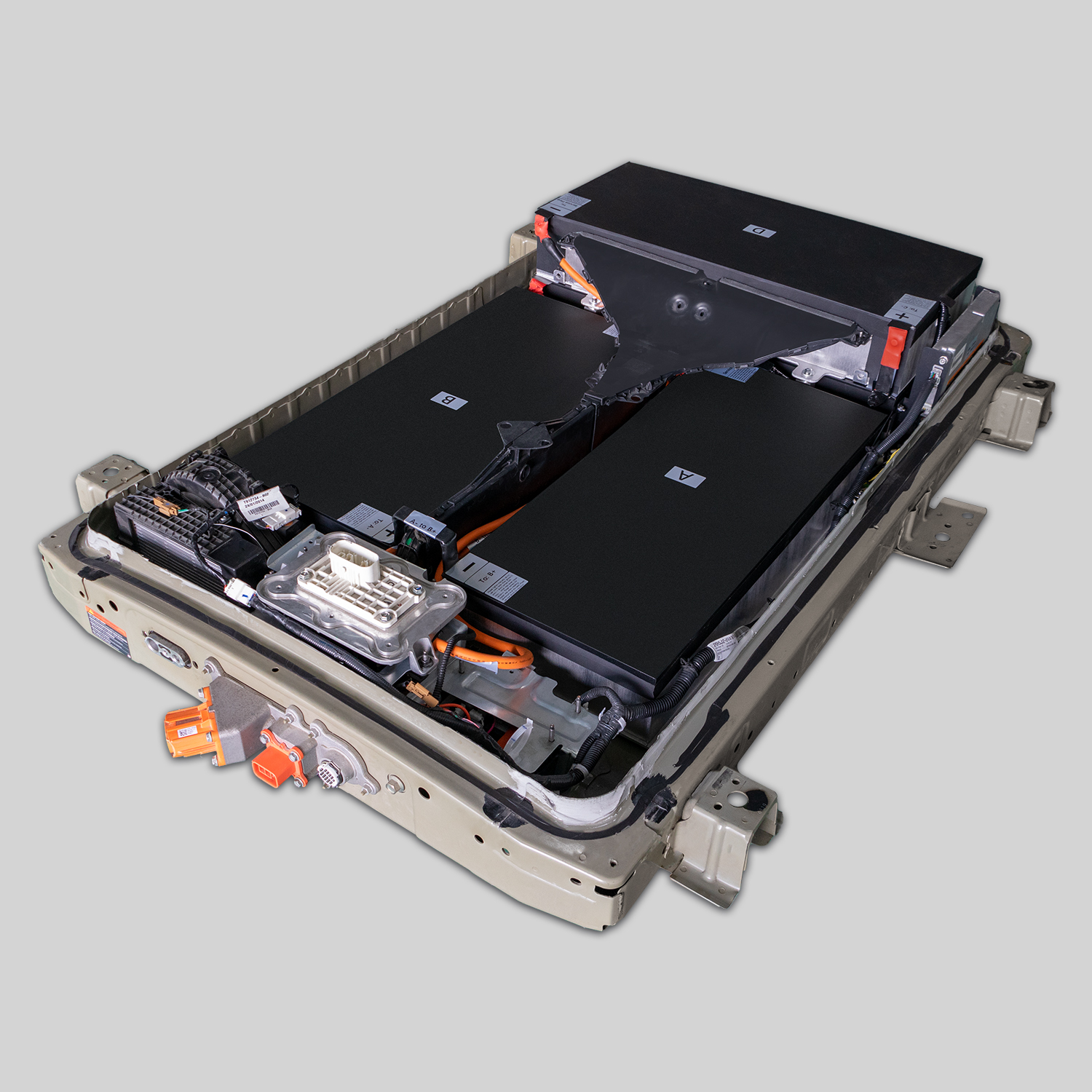
Before we dive into solutions, let’s look at the data. The ZE1 battery pack uses a Laminated Structure with passive cooling. This means there is no active liquid coolant running through the cells.
| Thermal Scenario | Impact on Stock ZE1 Battery | Impact on CNS Replacement Battery |
|---|---|---|
| High Ambient Heat | Cells degrade faster; internal resistance increases. | Advanced Heat Dissipation: Our casing design improves airflow. |
| Fast Charging | Heat builds rapidly at the terminals, risking BMS faults. | Thermal Buffer: New CATL cells handle heat spikes better. |
| Long Highway Drives | Sustained high load leads to “Power Limitation” warnings. | Optimized Performance: Maintains voltage stability under load. |
Expert Insight: I often tell my clients that a battery kept at 25°C will last roughly twice as long as one consistently operated at 40°C. For ZE1 owners, this means you need to be proactive.
The CNS Difference: Engineering for Extreme Conditions
When you replace your aging ZE1 battery with a CNS Battery, you’re not just getting new cells; you’re getting a system designed with thermal resilience in mind.
1. Superior Cell Chemistry
We utilize brand-new CATL (Contemporary Amperex Technology Co. Limited) cells. These aren’t just any cells; they are manufactured to meet the highest safety standards (including UL and UN38.3 certifications). CATL cells have a lower internal resistance compared to degraded Nissan OEM cells, which means they generate less heat during charging and discharging.
2. Structural Heat Dissipation
Our R&D team has optimized the internal structure of the pack. While we maintain the passive air cooling design to ensure OEM compatibility, our modules are spaced to allow for better natural convection. This structural tweak prevents “hot spots” from forming, which is a common failure point in the original packs.
3. BMS (Battery Management System) Protection
Our integrated BMS is the brain of the operation. It monitors cell temperature 24/7. If the temperature starts to rise above the safe threshold (typically around 50°C for discharge), our system will intelligently reduce power output to cool down, preventing permanent damage.
3 Proven Strategies to Keep Your ZE1 Battery Cool
Even with a new CNS battery, your driving habits and environment play a crucial role. Here are my top three tips for thermal management:
1. Master the “12-80” Rule for Fast Charging
If you’re using a DC fast charger, do not charge to 100% if the weather is warm. Lithium-ion batteries heat up significantly during the top 20% of the charge cycle.
- The Rule: Stop charging at 80% and try to keep your State of Charge (SoC) between 12% and 80% for daily use.
- Why: This keeps the internal chemical reactions stable and minimizes heat generation.
2. Pre-Conditioning is Key
If your Leaf has the Carwings app (or equivalent), use it!
- Action: Turn on the climate control 10-15 minutes before you start driving or plug in.
- Benefit: This cools the cabin and the battery pack using grid power, rather than draining the high-voltage battery to run the AC compressor, which adds extra heat load.
3. Parking Strategy
This might sound simple, but it’s the most effective.
- Avoid: Parking in direct sunlight for extended periods.
- Solution: Seek shade or use a windshield sun protector. In extreme climates, consider installing a thermal insulation blanket (available through our accessories line) to reflect radiant heat away from the undercarriage.
Frequently Asked Questions (FAQ)
Q1: Does the Nissan Leaf ZE1 have liquid cooling?
A: No, the standard ZE1 battery pack (40kWh and 62kWh) relies on a passive air cooling system. It does not have a liquid coolant loop like the Leaf Plus (AZE0) or other modern EVs. This is why thermal management is critical for ZE1 owners.
Q2: How does a CNS replacement battery handle heat compared to the original Nissan pack?
A: Our batteries use brand-new CATL cells which are inherently more thermally stable than 5-7 year old degraded cells. Furthermore, our manufacturing process includes rigorous thermal testing to ensure the Battery Management System (BMS) reacts faster to temperature spikes than the original hardware.
Q3: Can I upgrade my ZE1 to a liquid-cooled system?
A: Technically, it is possible but highly complex and expensive. It would require a complete swap to a Leaf Plus (AZE0) chassis and electronics, which is generally not cost-effective. The most practical solution is to install a high-quality replacement pack like ours, which is designed to maximize the efficiency of the existing passive cooling system.
Q4: What is the warranty on CNS batteries regarding thermal damage?
A: We offer an industry-leading 2-Year / 80,000 km warranty. However, our warranty covers defects in materials and workmanship. Damage caused by external factors, such as leaving the car in extreme heat without preconditioning or physical damage, is not covered. We recommend following the “12-80” rule and using preconditioning to keep your battery within the safe operating window.
Ready to Revive Your ZE1?
If your Leaf ZE1 is struggling with range anxiety or power limitations due to heat degradation, it’s time for a fresh start. Don’t let thermal stress dictate your driving experience.
At CNS BATTERY, we provide OEM-compatible, brand-new lithium battery packs specifically designed for the ZE1 platform. We save you over 50% compared to dealership prices, without compromising on the thermal safety of the cells.
Get a Free Custom Quote Today:
Contact our technical experts now for customization.