Why Your Nissan Leaf Rapidgate is Failing and How to Repair It
If you own a Nissan Leaf (specifically the ZE0 or AZE0 models), you might have encountered a frustrating error code: Rapidgate. This warning often appears alongside the dreaded “Check Charging System” or “Reduced Power” messages, effectively halting your ability to fast charge and sometimes even drive the vehicle.
As a leading manufacturer of OEM-compatible Nissan EV batteries, we at CNS BATTERY understand the panic this error induces. This guide will explain why the Rapidgate fails, how to diagnose it, and most importantly, how to repair or prevent it.
What is the Rapidgate?
The Rapidgate is a critical safety component located within the Rapid Charge Inlet Assembly of your Nissan Leaf. It acts as a high-voltage switch specifically designed for DC fast charging.
Its Function:
When you plug in a CHAdeMO fast charger, the Rapidgate detects the high voltage and closes the circuit, allowing the rapid current to flow into the battery. Conversely, when the charger is disconnected or if a fault is detected, it opens the circuit to isolate the high voltage, ensuring safety.
Why it Fails:
The Rapidgate is essentially a mechanical relay. Over time, the contacts inside can wear out, oxidize, or even weld together due to the massive electrical load (often 100+ amps). If the Battery Management System (BMS) detects that the Rapidgate is stuck open, stuck closed, or not responding correctly, it triggers the safety fault—locking out the charging system to prevent damage or fire.
Common Symptoms of a Failing Rapidgate
Before diving into repairs, you need to confirm the culprit. Here are the telltale signs:
- Dashboard Warning: “Check Charging System” or “Charging Error.”
- Fast Charging Failure: The car will AC charge (slow charge) normally but refuses to DC charge (fast charge).
- Error Codes: When scanned with a diagnostic tool (like Nissan Consult), the system logs codes related to the Rapidgate Circuit (often U1010 or specific Rapidgate open/short circuit codes).
- Complete Shutdown: In severe cases, the car may enter “Limp Mode” or refuse to drive due to high-voltage isolation faults.
How to Repair the Rapidgate Failure
Repairing the Rapidgate involves accessing the charging inlet, which is located in the front grille of the Leaf. Warning: This involves high voltage. Only qualified technicians should attempt this.
Option 1: Replace the Rapidgate Relay (Advanced)
If you are experienced with high-voltage systems, you can replace just the Rapidgate relay.
- Isolate the Vehicle: Disconnect the 12V battery and wait the required time for capacitor discharge.
- Access the Inlet: Remove the front bumper or access panel to reach the CHAdeMO inlet assembly.
- Identify the Component: Locate the cylindrical or rectangular relay box attached to the inlet (the Rapidgate).
- Replace: Disconnect the wiring harness and swap the faulty unit with a new one.
- Reset: Clear the fault codes using a diagnostic scanner.
Option 2: Replace the Entire Charging Inlet Assembly (Recommended)
Due to the complexity and the fact that the inlet housing can degrade, most professionals recommend replacing the entire Rapid Charge Inlet Assembly. This is a more expensive part but significantly reduces the risk of recurring issues or poor connections.
The Hidden Culprit: Battery Health
While the Rapidgate is a mechanical part that wears out, our data at CNS BATTERY shows a strong correlation between Rapidgate failures and degraded battery health.
Here is the reality: When your original Nissan Leaf battery ages, its internal resistance increases. During fast charging, this high resistance causes voltage drops and instability. The BMS interprets this instability as a fault in the charging circuit, often falsely blaming the Rapidgate or the inlet temperature sensor.
The Solution: If your Leaf is reporting Rapidgate errors and your battery range is significantly degraded (e.g., below 8 bars), replacing the Rapidgate might only be a temporary fix. The underlying issue is likely a failing battery.
Upgrade to a CNS BATTERY: Prevent Future Failures
Instead of playing a game of “whack-a-mole” with failing components on an old EV, consider a comprehensive solution: Replacing the entire battery pack with a premium, high-performance unit.
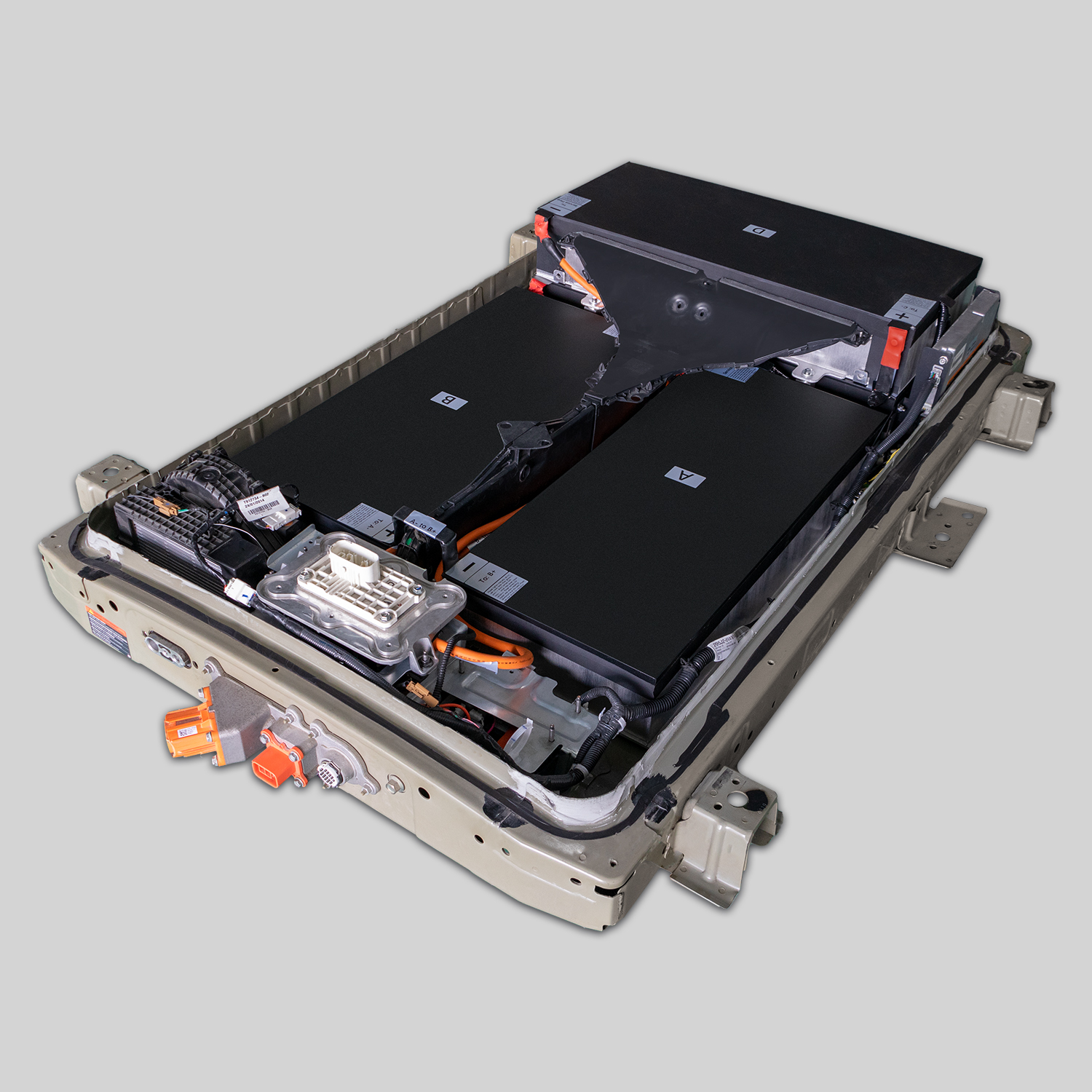
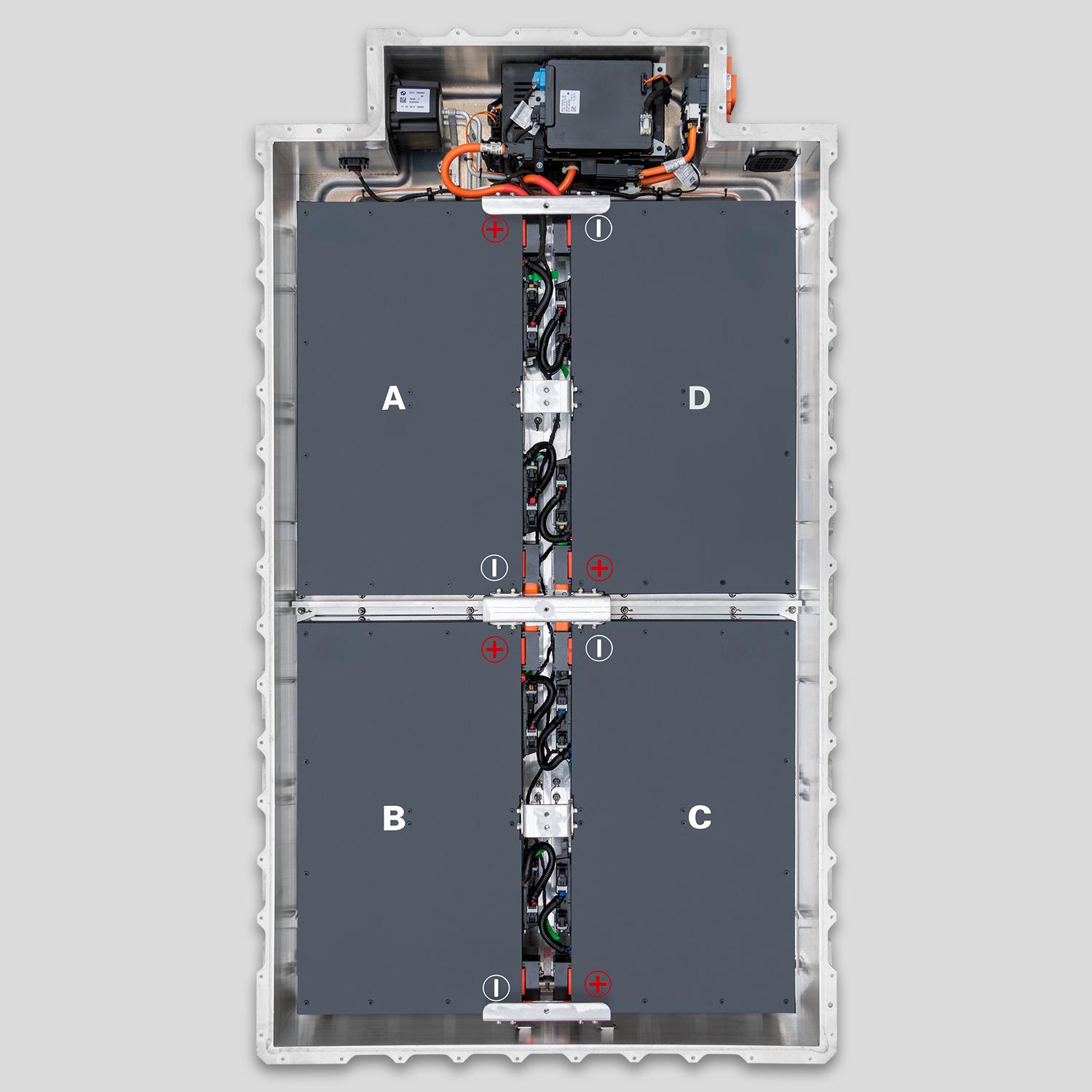
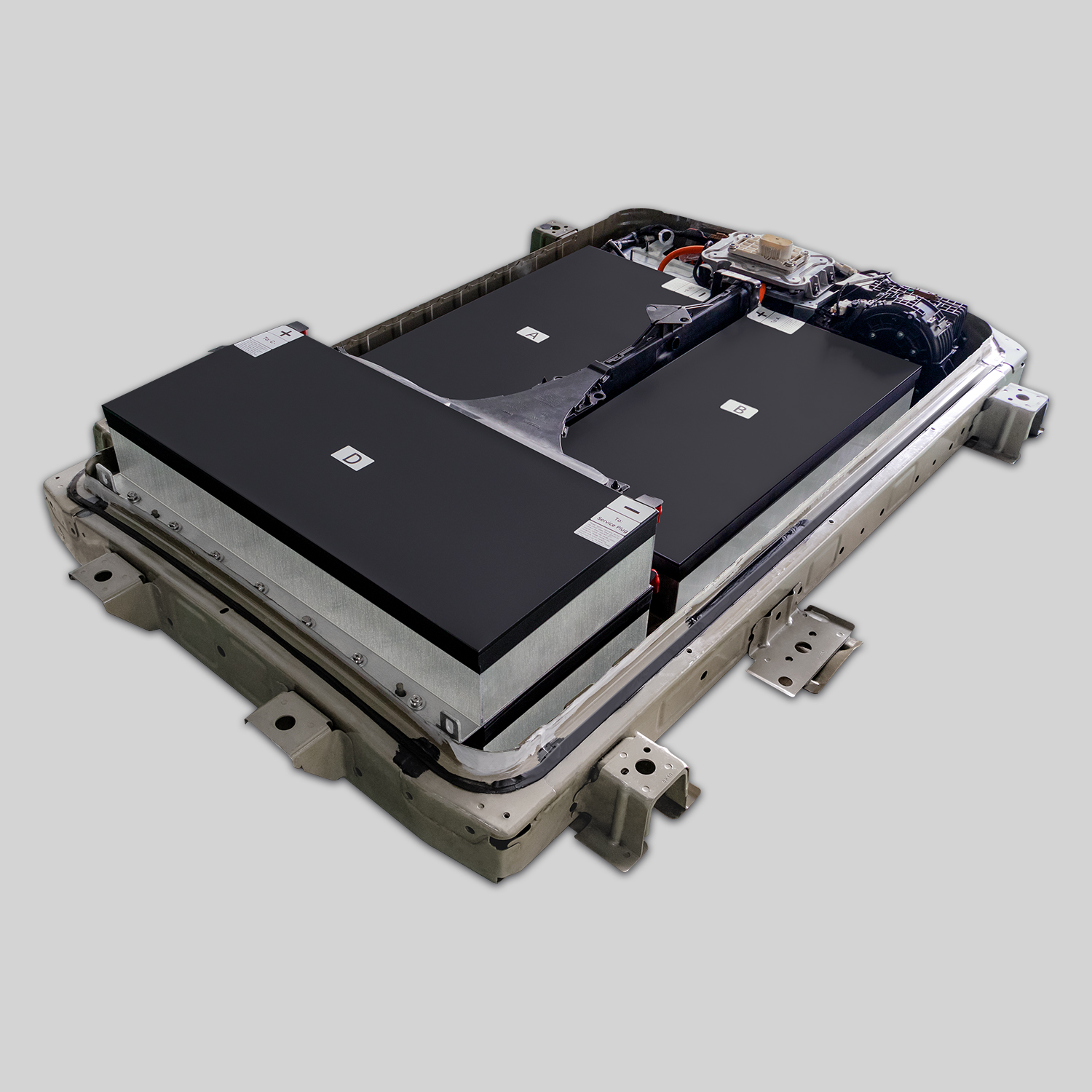
At CNS BATTERY, we specialize in brand-new Nissan Leaf battery packs built with CATL cells. Here is why our solution is the ultimate repair for recurring electrical faults:
- Zero Voltage Drop: Our batteries use brand-new cells with minimal internal resistance. This ensures stable voltage during fast charging, eliminating the electrical noise that tricks the BMS into throwing Rapidgate errors.
- OEM Compatibility: We precisely replicate the OEM communication protocols. Your Leaf’s BMS will recognize our battery as a “brand new factory unit,” resetting all learned errors.
- Cost Efficiency: Replacing a Rapidgate and potentially a degraded battery later can cost thousands. Our complete battery solutions start at 50% less than Nissan’s official price.
- Future-Proofing: We offer upgrades from 40kWh to 62kWh or 68kWh, doubling your range and revitalizing your vehicle’s performance.
Frequently Asked Questions (FAQ)
Q1: Can I still drive my Nissan Leaf if the Rapidgate is failing?
A: Usually, yes. The Rapidgate only controls DC fast charging. You should still be able to drive the car and charge it using a standard AC Level 1 or Level 2 charger. However, if the car reports a high-voltage isolation fault, do not drive it and seek professional assistance immediately.
Q2: Is it safe to bypass the Rapidgate?
A: Absolutely not. Bypassing the Rapidgate removes a critical high-voltage safety isolation mechanism. It is extremely dangerous and will likely result in severe electrical shock or damage to the vehicle’s power electronics.
Q3: How much does it cost to fix a Rapidgate?
A: If only the relay needs replacing, parts and labor typically range from $300 to $600. However, if the entire inlet assembly needs replacement, costs can rise to $800-$1200. If your battery is old, we strongly recommend budgeting for a full battery replacement to avoid future electrical faults.
Q4: Are CNS BATTERIES compatible with my Leaf’s BMS?
A: Yes. We have deep expertise in the Nissan Leaf ZE0, AZE0, and ZE1 model ranges. Our packs are programmed to communicate seamlessly with the OEM Battery Management System, ensuring all dashboard warnings (including Rapidgate status) function correctly.
Ready for a Reliable Solution?
Don’t let electrical gremlins ruin your EV ownership experience. Whether you need a simple Rapidgate replacement guide or are considering a full battery upgrade to eliminate these faults permanently, CNS BATTERY is here to help.
Contact our technical experts today for a free compatibility check and quote. Let us help you get back on the road with confidence.