The Impact of Freezing Temperatures on e-NV200 Combi Battery Health (SOH)
The winter range anxiety is real. If you drive a Nissan e-NV200 Combi in colder climates, you’ve likely experienced the dreaded “battery drop”—where your State of Health (SOH) seems to plummet the moment temperatures dip below freezing. You’re not imagining it. Extreme cold doesn’t just slow you down; it physically stresses the lithium-ion cells in your battery pack, accelerating degradation and forcing many owners to consider replacements far sooner than expected.
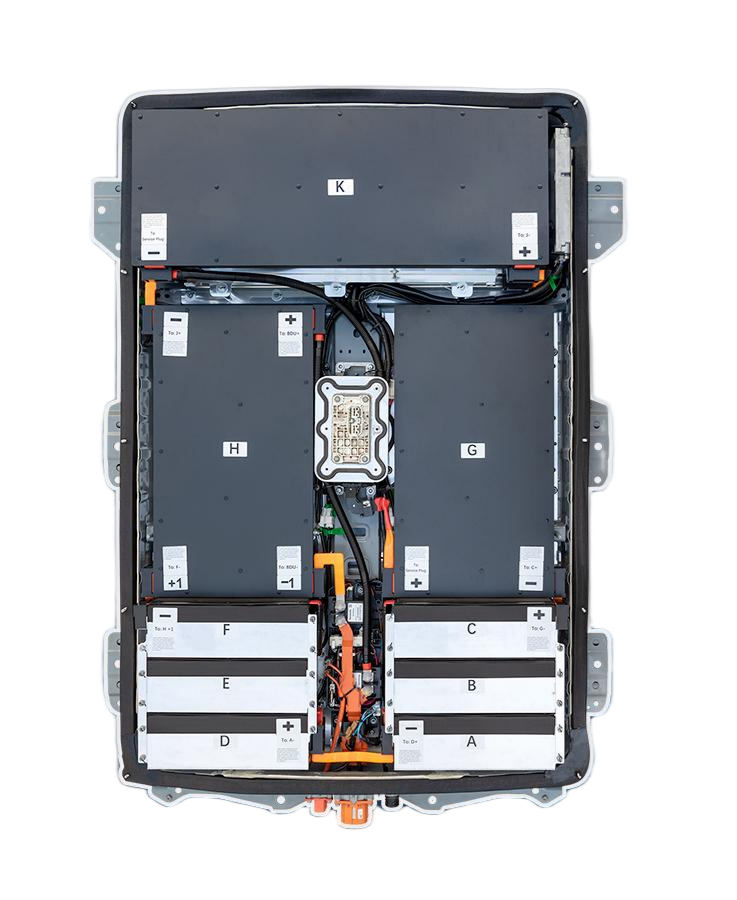
As a specialist in Nissan and BMW EV powertrains, I’ve seen firsthand how the original factory batteries struggle to retain charge in sub-zero conditions. But there’s a solution. At CNS BATTERY, we engineer high-performance replacements specifically designed to withstand these harsh environmental challenges. This guide will explain the science behind the cold-weather drain and how upgrading to a CNS battery can restore your vehicle’s winter range and longevity.
🧊 Why Does Cold Weather Kill Your e-NV200’s Battery Life?
The Nissan e-NV200 Combi is a fantastic utility vehicle, but its stock battery chemistry reacts poorly to freezing temperatures. When the mercury drops, several chemical and physical changes occur within the battery:
- Increased Internal Resistance: Lithium ions move slower in cold electrolytes. This forces the battery to work harder to deliver the same power, resulting in a significant voltage drop. Your dashboard might show 0% even when the battery has charge left.
- Reduced Charging Efficiency: Charging below 0°C (32°F) can cause lithium plating, a permanent defect where metallic lithium coats the anode. This irreversibly damages the cells and reduces overall capacity.
- Thermal Management Drain: The car’s Battery Management System (BMS) works overtime to heat the pack, consuming energy that should be used for driving.
The Result: Owners often report a 40-50% reduction in usable range during winter months. If your e-NV200 Combi originally had a 170km range, you might only get 80km on a cold day.
📉 The Hidden Damage: Long-Term SOH Degradation
It’s not just the immediate range loss that hurts; it’s the long-term damage. Every time you drive or charge a lithium-ion battery in freezing conditions without proper thermal management, you are causing micro-damage.
For e-NV200 owners relying on older battery technology or second-hand packs, this means:
- Capacity Fade: The maximum energy the battery can hold decreases permanently.
- Power Loss: Acceleration and top speed suffer as the battery struggles to deliver peak current.
- Increased Costs: You’ll need to charge more frequently, and the battery will need replacing years ahead of schedule.
Expert Insight: Many “refurbished” or “used” batteries on the market lack the robust thermal regulation needed for cold climates. They might work in a warm garage but fail catastrophically on a frosty morning.
⚡ CNS Solution: Built for Extreme Conditions
At CNS BATTERY, we don’t just replicate the OEM design; we improve upon it to solve the specific problems of cold-weather driving. Our Nissan e-NV200 Combi battery replacements are engineered with winter resilience in mind.
1. Premium CATL Cells for Superior Cold Tolerance
We utilize brand-new, grade-A lithium cells from CATL (Contemporary Amperex Technology Co. Limited), the world’s leading battery manufacturer. Unlike recycled or degraded cells, these new cells have a higher tolerance for low temperatures and maintain better internal resistance characteristics in the cold.
2. Advanced Battery Management System (BMS)
Our proprietary BMS is the brain of the operation. It features:
- Active Pre-heating: The system intelligently warms the battery pack before charging or driving, preventing lithium plating.
- Voltage Stabilization: It smooths out the voltage drops caused by cold, ensuring your dashboard readings are accurate and you don’t get stranded with “phantom” range.
3. Robust Thermal Design
We design our packs with optimized thermal pathways. This means the heat generated during driving is distributed evenly, and the pack retains heat longer when parked, reducing the “cold start” shock.
📊 Comparison: Stock vs. CNS Battery in Winter
| Feature | Standard e-NV200 Battery | CNS High-Performance Battery |
|---|---|---|
| Cell Quality | Standard NMC (Degrades faster in cold) | Brand New CATL NMC (Cold-resistant chemistry) |
| Winter Range Retention | ~50% of rated capacity | ~70-75% of rated capacity |
| Charging in Cold | Risk of lithium plating below 0°C | Safe charging with active pre-heat function |
| Longevity (SOH) | Degrades significantly after 3-5 cold winters | Stable performance, 2-year warranty |
| Cost vs. OEM | High replacement cost | Save 50%+ vs. Nissan Dealer Price |
💰 The Economic Case for an Upgrade
If you’re facing a battery replacement due to cold-induced degradation, the financial math is simple. Buying a new OEM pack from a Nissan dealership is expensive—often costing thousands of dollars. Buying a used or refurbished pack might seem cheaper, but in freezing temperatures, these packs are ticking time bombs. They lack the structural integrity and cell health to handle the stress, leading to swelling, failure, and the need for yet another replacement.
By choosing a CNS battery, you get:
- Brand New Quality: Zero degradation, ready to handle winter.
- 50% Cost Savings: Get a factory-spec battery for half the price of the dealer.
- Zero Fault Reliability: Our 2-year / 80,000km warranty covers you even in the harshest driving conditions.
🛠️ Making the Switch: Seamless Integration
Worried about compatibility? Don’t be. Our batteries are designed to be Plug-and-Play for the Nissan e-NV200 Combi. We match the OEM voltage, capacity (available in 40kWh and 50kWh options), and physical dimensions perfectly.
Whether you are a commercial driver in Canada, a fleet manager in Scandinavia, or a family using the Combi in the mountains, our team provides full technical support. We offer remote video guidance to ensure your installation is perfect, even if you’re doing it yourself to save money.
❓ Frequently Asked Questions (FAQ)
Q1: Can I charge my e-NV200 with a CNS battery in freezing weather?
A: Absolutely. Our Battery Management System (BMS) includes a pre-heating function. Before charging begins, the system will automatically warm the cells to a safe operating temperature (above 5°C), preventing any damage from lithium plating. Never charge a standard lithium battery below 0°C without this feature.
Q2: How much range will I actually get in winter with a new CNS battery?
A: While all EVs lose range in cold weather, our premium CATL cells minimize the loss. You can expect to retain approximately 70% of your rated range in freezing conditions (-10°C to 0°C), compared to only 50% with an older or degraded stock battery. For a 50kWh pack, that could mean the difference between being stranded and making it home safely.
Q3: Is the installation difficult?
A: Not at all. Our e-NV200 batteries are designed for direct OEM replacement. If you have basic mechanical skills, it’s a straightforward swap. However, if you’re unsure, our technical team offers free video call support to guide you through every step, from disconnecting the old pack to programming the new BMS.
Ready to Conquer the Cold?
Don’t let freezing temperatures dictate your driving range. If your Nissan e-NV200 Combi is struggling through the winter, it’s time for a reliable, cost-effective upgrade.
Contact our technical experts now for a free quote and compatibility check. We’ll help you select the perfect high-capacity, cold-weather-ready battery for your needs.