
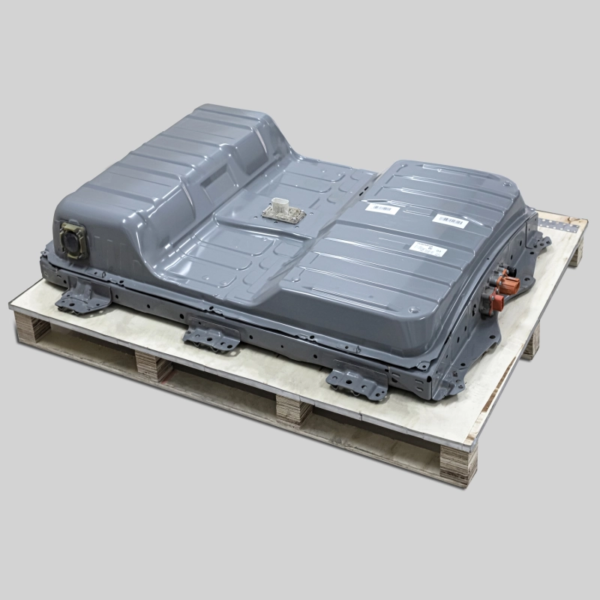
The Impact of a New Battery on EV Depreciation Rates
The electric vehicle (EV) market is booming, but for owners of older models like the Nissan Leaf or BMW i3, a harsh reality exists: battery degradation is the primary driver of depreciation. As the battery health declines, so does the vehicle’s value—and its usability. However, a strategic battery replacement can reverse this trend, effectively “resetting the clock” on your EV and restoring both its range and its resale value. In this guide, we’ll explore how a new battery pack impacts depreciation rates and why choosing a high-quality, cost-effective solution like CNS BATTERY is the smartest financial move for EV owners.
Why Battery Health Dictates EV Value
Unlike internal combustion engine (ICE) vehicles, where the engine and transmission are the primary value drivers, the battery pack is the heart of an EV. According to industry data, a battery that has degraded below 70% of its original capacity can cause the vehicle’s value to plummet by 40% or more.
The Depreciation Cycle:
- New Purchase: High value, full range.
- Degradation: After 5-8 years, capacity drops (e.g., a 40kWh Leaf might only hold 24kWh).
- Value Crash: The car becomes undesirable due to “range anxiety,” leading to a sharp drop in the secondhand market.
- Replacement: Installing a new, high-capacity battery reverses this depreciation curve.
By installing a new Nissan Leaf battery or BMW i3 battery, you aren’t just fixing a part; you are unlocking the vehicle’s original engineering potential and restoring its market desirability.
The Financial Math: New Battery vs. New Car
When faced with a degraded battery, owners often face a dilemma: spend thousands on a new OEM battery or buy a new car. However, there is a third option that makes financial sense—aftermarket replacement.
Let’s look at the numbers for a Nissan Leaf ZE0 owner in 2026:
| Option | Cost Estimate (USD) | Resulting Value | Long-term Viability |
|---|---|---|---|
| OEM Battery Replacement | $12,000 – $16,000 | Moderate Increase | High (but ROI is poor) |
| New Economy EV | $25,000+ | High (but depreciates fast) | Standard |
| CNS Aftermarket Battery | $7,800 – $8,200 | High (Restored to “Like New”) | Excellent (50%+ Savings) |
The Verdict: Replacing your battery with a premium aftermarket solution allows you to retain the equity in your current vehicle while avoiding the massive depreciation hit that comes with buying a new car in its first year.
Why Quality Matters: Avoiding the “Refurbished” Trap
Not all battery replacements are created equal. To truly impact depreciation rates positively, the replacement must be reliable and use brand-new cells.
Many low-cost competitors sell “refurbished” or “repaired” packs. These are often old, swollen batteries disassembled, and poorly reassembled. The result? You might save money upfront, but the car remains a liability. The battery will likely fail again in 6-12 months, confirming the market’s fear that the car is “not worth fixing,” thus accelerating depreciation.
CNS BATTERY stands apart by utilizing brand-new, top-tier CATL cells. This isn’t a patch job; it is a factory-spec rebuild. When a buyer sees a vehicle equipped with a CNS Battery (backed by a 2-year/80,000km warranty), they see a car with a documented lifespan, not a ticking time bomb. This distinction is what transforms a “scrap heap” vehicle back into a “premium used EV.”
Case Study: Restoring a 2014 Nissan Leaf
Consider the case of David L. from London. He owned a 2021 Nissan Leaf ZE1 that had degraded significantly. He initially tried a cheap, refurbished battery, but it swelled and failed in six months. Frustrated, he considered buying a new car.
Instead, he invested in a 62kWh CNS Battery. The results were immediate:
- Range Restored: Back to 440km (matching factory specs).
- Fitment: Perfect plug-and-play connection with OEM connectors.
- Value: The car went from being a $2,000 liability to a $10,000+ asset.
David didn’t just save money on a new car; he reversed the depreciation spiral that was destroying his equity.
The CNS BATTERY Advantage
At CNS, we understand that our batteries don’t just power cars; they protect our customers’ investments. Here is why our solution is the industry standard for reversing depreciation:
1. Factory-Grade New Cells
We use brand-new CATL lithium-ion cells. CATL is the world’s largest battery manufacturer, supplying Tesla, BMW, and Volkswagen. Using new cells ensures the battery has a full lifespan ahead of it, not a leftover one.
2. OEM Compatibility
Our packs are engineered to fit Nissan and BMW models (including Leaf ZE0, ZE1, AZE0, and BMW i3) with millimeter precision. There are no modifications required—just a direct swap that maintains the vehicle’s structural integrity.
3. Unbeatable Warranty
We back our confidence with a 24-month / 80,000km warranty. This warranty is longer than many competitors offer on new batteries and provides the security needed for buyers to trust the vehicle’s condition.
4. Cost Efficiency
By cutting out the dealership markup and focusing on direct manufacturing, we save you over 50% compared to OEM prices. This allows you to restore your car’s value without breaking the bank.
Frequently Asked Questions (FAQ)
Q1: How much does a new battery actually increase my car’s resale value?
A: While exact figures vary by market, restoring full range typically increases the resale value by approximately $5,000 to $8,000 for a Nissan Leaf and even more for a BMW i3. This often results in a net profit compared to the cost of the battery itself when you decide to sell.
Q2: Is it better to replace the battery or buy a new EV?
A: Financially, replacing the battery is almost always superior. A new EV loses 20-30% of its value in the first year. By replacing the battery in your current car, you avoid this “new car depreciation tax” and keep your existing investment on the road.
Q3: How long does the installation take?
A: For a professional technician, the installation of a CNS Nissan Leaf battery or BMW i3 battery typically takes 1-2 hours. We provide detailed video guides and PDF manuals to ensure a smooth process. Many DIY enthusiasts can complete the swap in a weekend.
Q4: Are CNS batteries safe?
A: Absolutely. We utilize the same rigorous safety standards as OEM manufacturers. Our Battery Management System (BMS) is programmed for perfect integration, and we use only A-grade materials to prevent overheating or swelling.
Ready to Reverse the Trend?
Don’t let battery depreciation force you into an expensive new car purchase. With a CNS BATTERY, you can restore your Nissan or BMW EV to its original glory, extend its life by another decade, and protect your financial investment.
Get your free, no-obligation quote today and see how much value you can reclaim.


