The Future of Leaf ZE1: 24kWh Battery Upgrade Explained
Last Updated: May 9, 2026
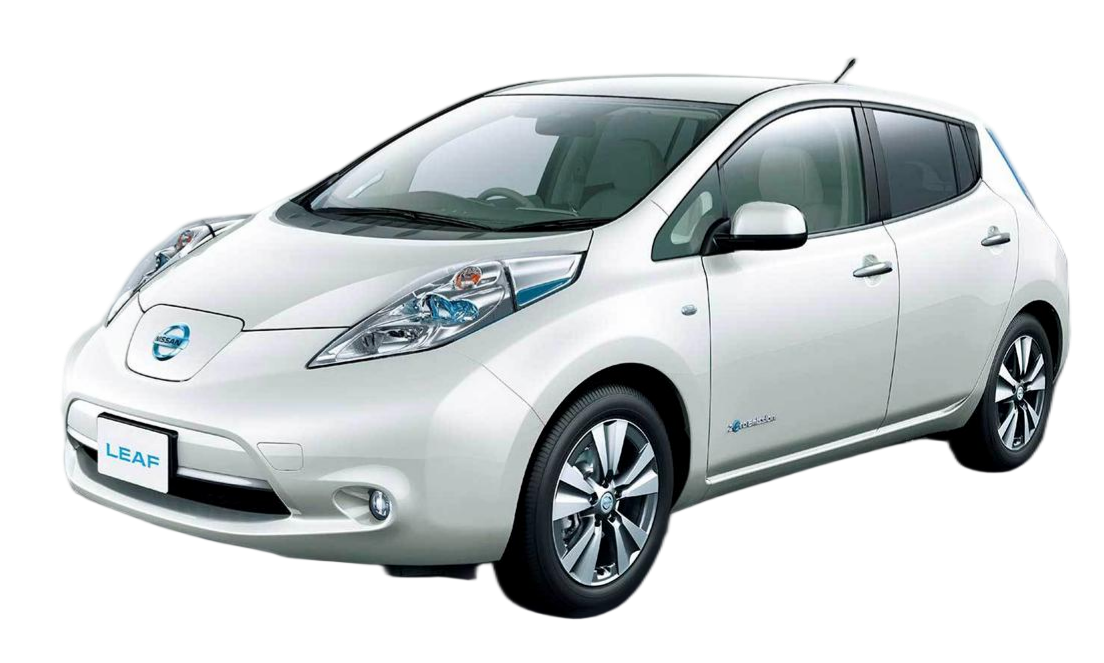
If you own a Nissan Leaf ZE1 (specifically the 2011-2013 models), you know the struggle. The original 24kWh battery that once powered your daily commute has likely degraded significantly over the past decade. You’re probably facing “range anxiety” where a full charge barely covers your local errands, and the fear of the battery dying completely is a constant stressor.
The good news is that the future of your Leaf ZE1 isn’t a scrapyard—it’s a revival. Upgrading your aging 24kWh pack is no longer just a repair; it’s an opportunity to transform your vehicle. In this guide, we’ll explain why upgrading is the smartest financial move, how modern technology solves the old thermal issues, and how you can get a brand-new, high-capacity battery for half the price of an OEM replacement.
Why the Original 24kWh ZE1 Battery Struggles
The Nissan Leaf ZE1 was a pioneer, but early EV technology had limitations. The original 24kWh battery used in the first generation relied on passive air cooling. While simple, this system proved inadequate for long-term thermal management.
- Thermal Degradation: Without active cooling, heat builds up in the cells during charging and discharging. Over thousands of cycles, this heat causes irreversible chemical damage, drastically reducing the battery’s ability to hold a charge.
- Capacity Fade: It’s common for these batteries to drop from 100% to below 50% State of Health (SOH) in just 7-10 years.
- The “Brick” Fear: Many owners worry their car will become a stationary “brick” once the battery fails.
Simply replacing the 24kWh with another 24kWh isn’t the answer. You wouldn’t buy a new 2011-spec smartphone in 2026, so why stick with a 2011-spec battery?
The Upgrade Solution: New Cells, New Life
The future of the Leaf ZE1 lies in battery swapping and upgrading. Instead of chasing rare, used 24kWh packs (which are just as degraded as yours), the industry standard is now to install a brand-new, larger capacity lithium-ion battery pack.
At CNS Battery, we specialize in these upgrades. We don’t just patch the old problem; we solve it with modern engineering.
1. Solving the Heat Problem
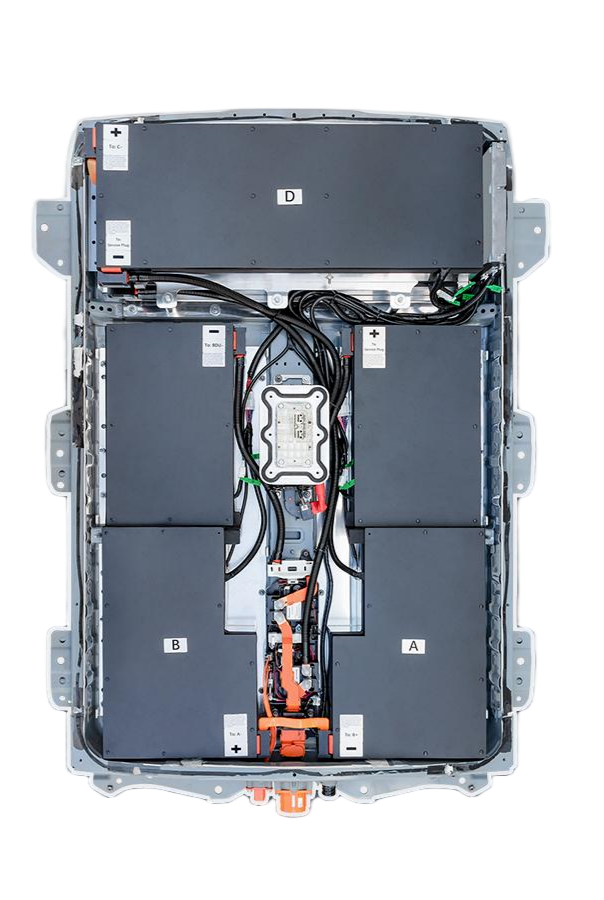
Our replacement packs for the ZE1 are built using brand-new CATL cells. Unlike the original design, our packs incorporate advanced Battery Management Systems (BMS) and thermal management designs that prevent the overheating issues that plagued the original 24kWh units. This means your new battery will last significantly longer.
2. Doubling Your Range
This is the game-changer. Instead of sticking with the limiting 24kWh (which gave you roughly 73 miles/117km when new), you have the option to upgrade to a 40kWh or even a 62kWh pack.
| Feature | Original 24kWh (ZE1) | Upgraded 40kWh/62kWh |
|---|---|---|
| Real-World Range | ~60-70 miles (Degraded) | 140-180+ miles |
| Cell Technology | LMO (Prone to Heat Fade) | NMC (Stable, Long-Life) |
| Cooling System | Passive Air | Active/Enhanced Thermal Mgmt |
| Cost (Estimate) | High (Rare Parts) | 50% less than OEM |
3. Plug-and-Play Compatibility
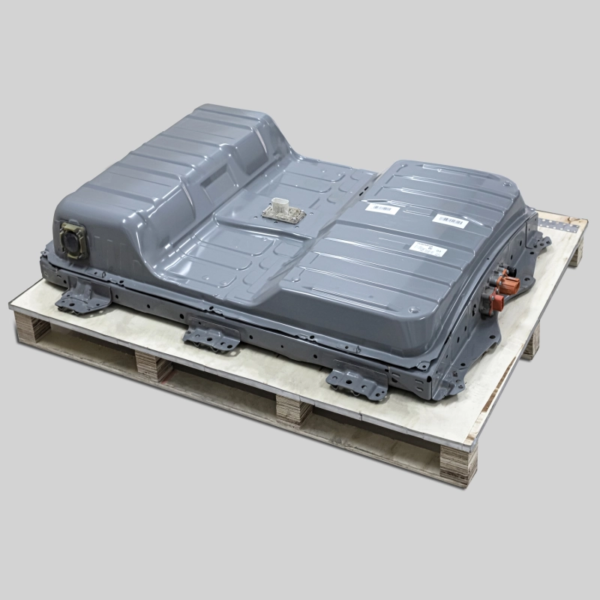
You might wonder, “Will a bigger battery fit my old car?” The answer is yes. We engineer our packs to be OEM-compatible. They fit the ZE1 chassis perfectly and communicate seamlessly with your car’s existing software and dashboard. You don’t need to modify the body or the core electronics of your vehicle.
Why Upgrading is Smarter Than Buying New
Let’s be honest: buying a new car is expensive. Depreciation hits hard, and financing rates are high. Upgrading your Leaf ZE1 offers a financial advantage that’s hard to ignore.
The Cost Comparison
Replacing your battery with an OEM unit from Nissan can cost upwards of $16,000 USD. Even used replacement options often come with hidden risks of their own degradation.
With CNS Battery, you get a brand-new, warrantied battery for approximately 50% less than the OEM price. This isn’t a gamble on someone else’s old hardware; it’s a factory-fresh start.
Environmental Impact
EVs are supposed to be green, but scrapping a perfectly good car body just for the battery is wasteful. By upgrading your ZE1, you are:
- Reducing Waste: Keeping the steel, plastic, and glass of your car out of the landfill.
- Conserving Resources: Avoiding the massive energy cost of mining new materials and manufacturing a brand-new vehicle.
You’re not just saving money; you’re making a sustainable choice.
The CNS Battery Advantage for ZE1 Owners
As a specialist in Nissan and BMW powertrains, we don’t just sell batteries; we provide a solution backed by a decade of R&D.
- Brand New Cells: We use CATL (Contemporary Amperex Technology Co. Limited) cells, the same tier-1 supplier used by major automakers. This guarantees safety and performance that surpasses the original 2011 specifications.
- Unbeatable Warranty: We stand by our product with a 2-year / 80,000 km warranty. This covers defects and ensures your battery maintains at least 70% capacity during that period. Most refurbished options offer nothing close to this.
- Global Support: Whether you’re in the USA, Europe, or elsewhere, we handle international shipping (DDP service) and provide the necessary technical support to get you back on the road.
Expert Tip: Before you order, always confirm compatibility. Every vehicle is unique, and providing your VIN ensures we send you the perfect plug-and-play match for your specific ZE1 model year.
Frequently Asked Questions (FAQ)
1. Can I really upgrade my 24kWh Leaf to a 62kWh?
Yes, absolutely. While it requires specific engineering, it is a common and proven modification. The 62kWh upgrade will physically fit your ZE1 chassis, and the BMS is programmed to integrate with your car’s existing systems. You will see the increased range reflected on your dashboard.
2. Is a used battery swap a better deal than a new one?
Generally, no. A used or refurbished battery is simply someone else’s degraded hardware. It has already lost a significant portion of its lifespan and is prone to swelling, cell imbalance, and sudden failure. A brand-new battery from CNS offers a longer warranty, better performance, and the peace of mind that you are starting with 100% health.
3. How long does the installation take?
For a professional technician, the installation typically takes 1-2 hours. We provide comprehensive installation guides and video tutorials. If you encounter any programming issues, our technical team offers remote video guidance to solve problems in minutes.
4. Will this void any remaining warranty on my car?
Since the ZE1 models are over 10 years old, the original factory warranty has long expired. Installing a new, high-quality aftermarket battery does not affect any remaining mechanical warranties, as those are also likely expired. Our battery comes with its own 2-year manufacturer’s warranty.
5. How much does it cost to upgrade?
Pricing varies based on the capacity (40kWh vs 62kWh) and your location, but you can expect to pay roughly 50% less than the original Nissan replacement cost. For an exact quote tailored to your needs, we recommend contacting our sales team directly.
Ready to Revive Your Leaf ZE1?
Don’t let an outdated battery design ruin a good car. The Leaf ZE1 was built to last, and with a modern 40kWh or 62kWh upgrade, it can serve you reliably for another decade.
Stop worrying about range and start driving with confidence again.
Our team is ready to help you find the perfect battery solution for your Nissan Leaf.