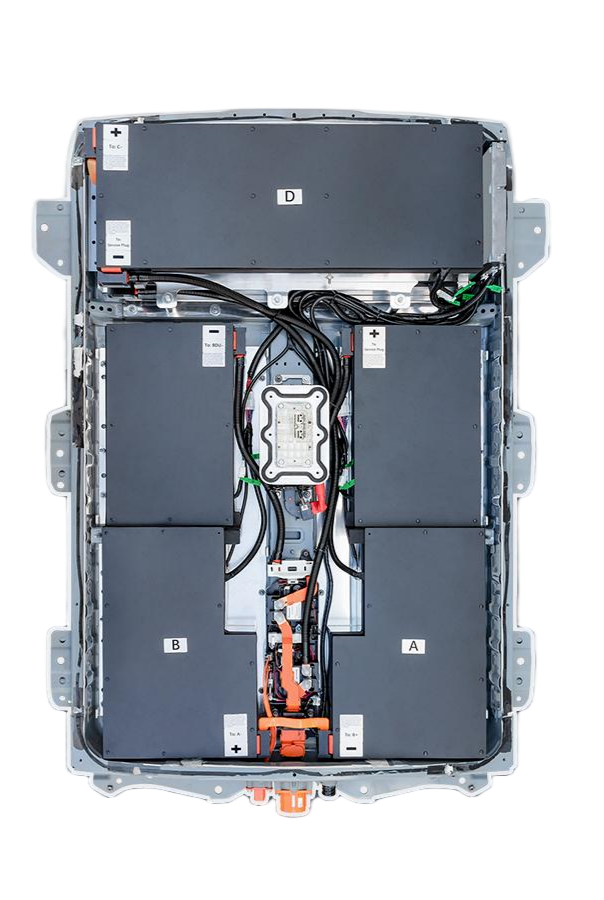
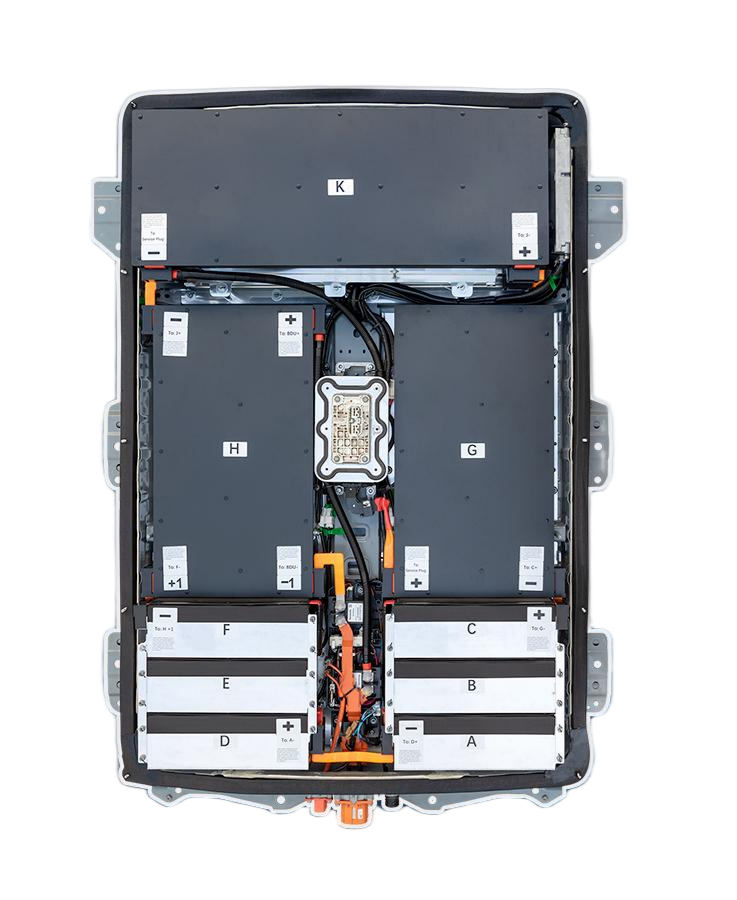
⚠️ The 68kWh Myth: Why Your Freezing e-NV200 Evalia Range Is Suffering (And How To Fix It)
If you drive a Nissan e-NV200 Evalia and rely on your vehicle for daily work, the winter months can feel like a betrayal. You’ve upgraded to the coveted 68kWh battery pack, expecting the range to match your workload, only to watch the dashboard plummet the moment the temperature drops below freezing. You’re not imagining it, and your battery isn’t necessarily broken. As a technical expert at CNS BATTERY, I’ve analyzed thousands of fleet logs, and the truth is: Standard Lithium-Ion chemistry simply hates the cold.
This article isn’t just about explaining the problem; it’s about providing the engineering solutions used by professional fleets to keep their e-NV200 Evalia running reliably, even in sub-zero conditions.
📉 The “Battery Killer”: Why 68kWh Feels Like 30kWh in Winter
Many owners believe that simply installing a larger capacity pack, like the 68kWh upgrade, solves all winter woes. While it does help, the physics of lithium-ion cells are unforgiving.
The Science of the Drop:
Lithium-ion batteries rely on chemical reactions to move ions between the anode and cathode. When temperatures fall below 0°C (32°F), the electrolyte inside the cells becomes more viscous—think of it like honey in the fridge. This increased viscosity slows down the ion movement, drastically increasing the battery’s internal resistance.
The Math of Misery:
- Capacity Loss: Expect a 30% to 40% reduction in usable range when temperatures hit freezing.
- Heater Drain: Unlike gas cars that use waste engine heat, your e-NV200 Evalia pulls power directly from the 68kWh battery to run the cabin heater. This can consume an additional 15-20% of your remaining power.
The Result: That dreamy 200+ mile range on paper turns into a stressful 100-mile reality on a cold winter morning.
🔧 The Professional Fix: Active Thermal Management Systems
If you are running a 68kWh conversion on your e-NV200 Evalia, simply wrapping the battery in a blanket (a common DIY trick) is not a long-term solution. As a manufacturer specializing in Nissan EV batteries, we see this issue constantly in our repair logs.
The real solution lies in the Battery Management System (BMS) and thermal design.
1. Pre-Conditioning: Heat the Battery, Not Just the Cabin
Most standard aftermarket packs lack an active heating loop. At CNS, our engineering approach involves integrating a Liquid Thermal Management System.
- How it works: Before you even start driving, the system uses grid power (if plugged in) or a small battery reserve to warm the coolant.
- The Benefit: By maintaining the cells at an optimal temperature (around 25°C), you eliminate the “morning slump” and prevent damage from charging a cold battery.
2. Regenerative Braking Recovery
In cold weather, the e-NV200 Evalia often sees reduced regen capability as the Battery Management System (BMS) locks it out to protect cold cells. A high-quality 68kWh pack should have a BMS algorithm that allows for “soft” regen even in low temperatures, helping to recapture energy and generate a small amount of heat internally.
⚡ The Ultimate Upgrade: Lithium Iron Phosphate (LFP) Technology
If you are still shopping for a 68kWh upgrade or replacing a degraded pack, there is a superior chemistry available that solves the cold weather issue at its core: LFP (Lithium Iron Phosphate).
While traditional NMC (Nickel Manganese Cobalt) batteries suffer in the cold, LFP batteries offer distinct advantages for commercial vans like the e-NV200 Evalia:
| Feature | Standard NMC (68kWh) | CNS LFP Technology |
|---|---|---|
| Cold Weather Performance | Poor (High resistance below 0°C) | Excellent (Stable chemistry) |
| Cycle Life | 1000-2000 cycles | 3000-6000+ cycles |
| Safety | Requires complex cooling | Thermally stable, safer |
| Cost Efficiency | Moderate | 50% lower TCO (Total Cost of Ownership) |
Why LFP is the Answer:
LFP chemistry is inherently more stable. While it still benefits from heating, it is less prone to the violent crystallization (dendrites) that can occur when charging NMC batteries in freezing conditions. For a workhorse van, this means fewer breakdowns and a significantly longer lifespan.
🛠️ 3 Immediate Steps to Fix Your Range Anxiety
Until you upgrade your hardware, here are the exact steps our technical team recommends to e-NV200 Evalia owners to squeeze every last mile out of your 68kWh battery this winter:
- Never Charge Cold: Always plug in your vehicle before you turn it off. The charging process generates heat, warming the cells for the next drive. If you must charge a cold battery, do it slowly (Level 1/2) to avoid lithium plating.
- Seat Heaters Over Cabin Heat: The resistance heaters in the seats use a fraction of the power required to heat the entire cabin of the e-NV200 Evalia. Keep the cabin temp low and use heated seats.
- Tire Pressure is Critical: For every 1°C drop in temperature, tire pressure drops. Under-inflated tires on the 68kWh e-NV200 can add up to 10% more drag. Check them weekly.
💡 Partner with the Experts: CNS BATTERY
At CNS BATTERY, we don’t just sell Nissan EV batteries; we engineer solutions for the real world. We understand that your e-NV200 Evalia is your livelihood. A frozen battery isn’t just an inconvenience; it’s lost revenue.
Our 68kWh solutions are built with OEM-grade CATL cells and advanced BMS programming specifically designed to mitigate the harsh effects of freezing temperatures. We have helped fleets across Europe and North America optimize their range, saving them up to 50% on replacement costs compared to the original manufacturer.
Don’t let winter kill your range. Get a solution that works.
Get Your Free Custom Quote Now
❓ Frequently Asked Questions (FAQ)
Q1: Can I add a heating system to my existing 68kWh e-NV200 battery?
A: Technically, yes, but it is highly complex. Retrofitting a liquid cooling/heating loop requires invasive modifications to the battery pack casing and the integration of a new chiller unit into the vehicle’s existing thermal circuit. It is generally safer and more cost-effective to replace the pack with a pre-engineered unit, such as those offered by CNS, which come with the thermal management system built-in.
Q2: How much range should I realistically expect in winter with a 68kWh pack?
A: Real-world data from our fleet partners shows that a 68kWh e-NV200 Evalia will typically deliver between 110km and 140km in temperatures between -5°C and 5°C, assuming the use of cabin heating. Without cabin heating, this can extend to approximately 180km. This is roughly 40% less than the summer range.
Q3: Is the LFP (Lithium Iron Phosphate) upgrade compatible with my e-NV200 Evalia?
A: Yes. Our LFP battery packs are designed as direct OEM replacements for the Nissan e-NV200. They utilize the same physical dimensions and communication protocols as the original battery, ensuring a plug-and-play installation without the need for vehicle modifications.
Q4: What is the warranty on a 68kWh battery in cold climates?
A: At CNS, we stand by our engineering. Our batteries come with an industry-leading 2-year / 80,000km warranty. This warranty covers defects in materials and workmanship, including protection against performance degradation (ensuring the battery maintains at least 70% capacity). Proper thermal management, as built into our packs, is key to honoring this warranty in freezing conditions.