The Future of Leaf ZE0 in New Zealand: Battery Swaps vs New Sales
The Nissan Leaf ZE0 is at a crossroads in New Zealand. For owners of the 2011-2017 generation, the reality of battery degradation is setting in. With the new generation of Leafs and other EVs dominating the market, the question isn’t just about keeping your car running; it’s about whether to invest in a battery replacement or trade in for a new sale.
As a seasoned expert in the EV aftermarket, I have seen the market evolve. In New Zealand, where the ZE0 fleet is aging rapidly, the debate between “Battery Swaps” and “New Sales” is more relevant than ever. This article will dissect the true costs, performance gains, and long-term value of each path, guiding you toward the decision that best suits your Kiwi lifestyle.
Why the ZE0 Needs a Second Life in NZ
The Nissan Leaf ZE0 was the car that introduced New Zealand to electric mobility. However, the early chemistry (Lizardite/Laminate) in the 24kWh and 30kWh packs is notorious for rapid capacity loss, especially in warmer climates.
While the NZ government and dealerships push for new EV sales, there is a growing movement to extend the life of these vehicles through battery refurbishment. This isn’t just about nostalgia; it is a financial and environmental imperative.
The “New Sale” Trap
Dealerships often offer dismal trade-in values for ZE0s with degraded batteries, sometimes as low as a few hundred NZD. They then flip these cars to export markets or strip them for parts. Buying a new EV means depreciating a new asset immediately.
The “Battery Swap” Solution
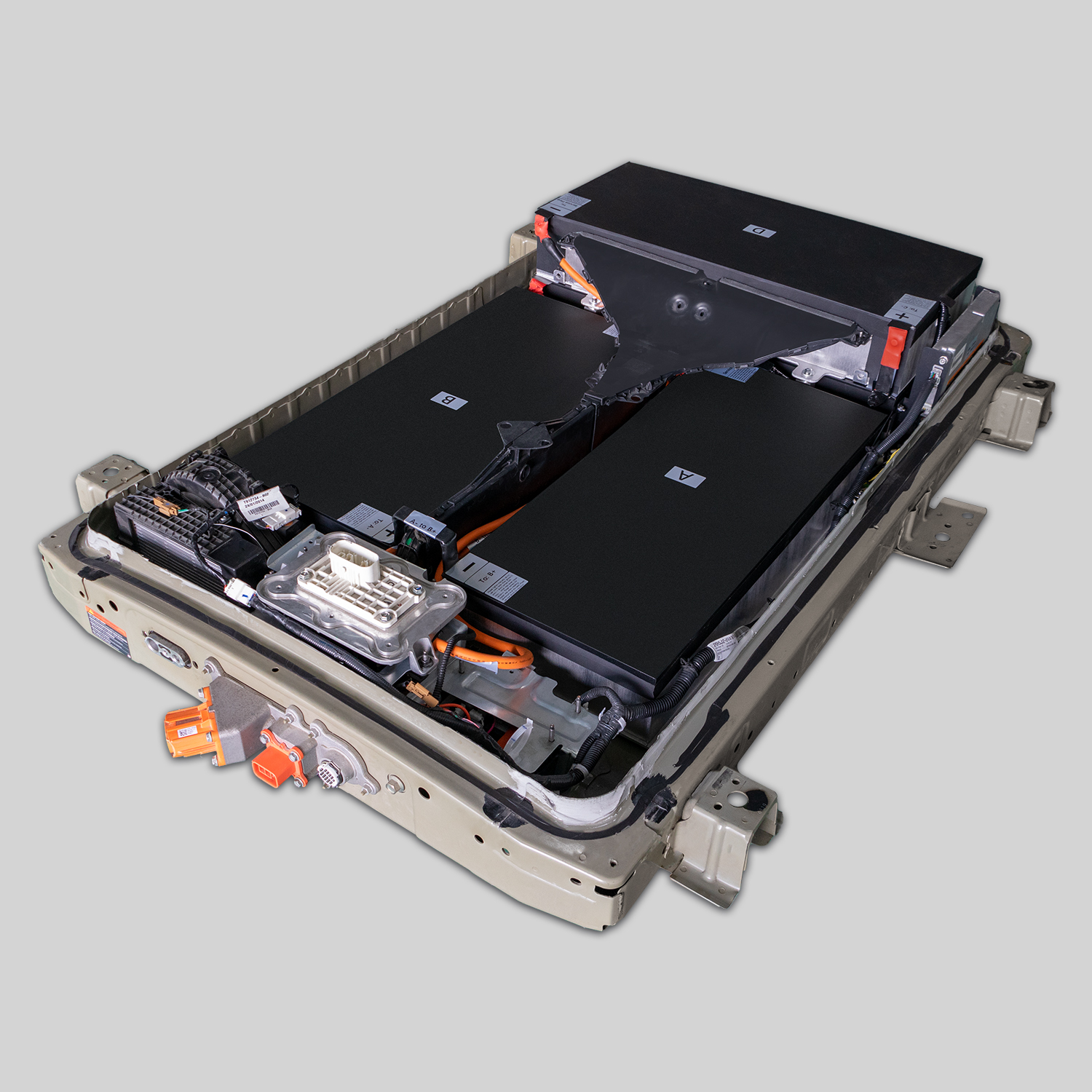
Replacing the old degraded pack with a modern, high-capacity lithium-ion battery can transform your Leaf. It is the ultimate form of vehicle recycling.
The Economics: Refurbish vs. Replace
To make an informed decision, let’s look at the numbers. I have analyzed the NZ market trends to provide a realistic comparison.
| Feature | Buying a New EV (e.g., New Leaf/Ariya) | Refurbishing a ZE0 with a New Battery |
|---|---|---|
| Upfront Cost | $40,000 – $70,000+ NZD | $7,000 – $12,000 NZD (approx.) |
| Trade-in Loss | High (Depreciation hits immediately) | $0 (You retain your asset) |
| Performance | Factory standard range & power | Customizable Range (40kWh to 68kWh options) |
| Warranty | Standard manufacturer warranty | 2 Years / 80,000km (Industry-leading aftermarket) |
| Environmental Impact | High (New resource extraction) | Low (Extends life of existing vehicle) |
Expert Insight: If you already own a ZE0, the sunk cost fallacy applies. You don’t need to buy a new car to enjoy modern EV technology. For less than the cost of a used Toyota Corolla, you can have a “new” electric car.
The Technology Behind the Transformation
When we talk about a “Battery Swap” for the ZE0, we aren’t just talking about swapping cells. We are talking about upgrading the chemistry.
From Lizardite to Lithium-Ion
The original ZE0 batteries used early lithium-manganese chemistry prone to overheating and degradation. Modern replacement solutions, such as those offered by CNS Battery, utilize brand-new CATL (Contemporary Amperex Technology Co. Limited) cells.
Why CATL Cells Matter:
- Thermal Stability: Unlike the original packs, modern cells are encased in robust modules with better thermal management, crucial for New Zealand’s variable climate.
- Energy Density: You can upgrade from a 30kWh pack to a 62kWh or 68kWh pack. This effectively doubles your range from ~120km to over 400km on a single charge.
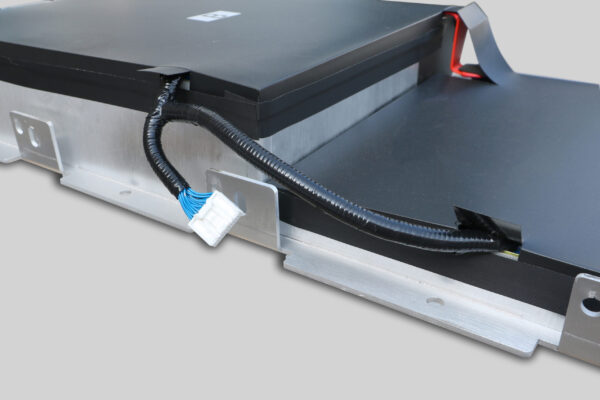
- OEM Compatibility: These aren’t “aftermarket” in the traditional sense of the word. They are engineered to meet OEM standards, meaning they plug directly into your Leaf’s wiring harness and BMS without modification.
The Installation Process
One of the biggest fears owners have is the complexity of the swap. However, the process is surprisingly straightforward for a qualified mechanic (or a confident DIYer):
- Lift the Car: Access the underbody.
- Disconnect: Isolate the 12V and HV systems.
- Unbolt: Remove the old pack (approx. 1-2 hours).
- Bolt On: Install the new pack and reconnect the cables.
- Programming: The BMS (Battery Management System) is programmed to recognize the new capacity.
Why a Battery Refurbishment Beats a New Sale in 2026
In the current market (2026), here is why choosing the battery swap route is often the smarter choice for NZ drivers:
1. Unbeatable Value for Money
Let’s be honest: new EVs are expensive in New Zealand. By refurbishing your ZE0, you save tens of thousands of dollars. That money can go toward solar panels for your home, a Level 2 charger, or simply staying in your pocket.
2. No Range Anxiety
With a 62kWh upgrade, your Leaf becomes a true highway cruiser. The days of planning every trip around a charging station are over. You can drive from Auckland to Wellington (with a few stops) comfortably, just like a modern EV.
3. Supporting the Local Economy
Buying a new car sends money overseas to large corporations. Investing in a battery refurbishment supports local mechanics, importers, and the growing circular economy in New Zealand.
4. Proven Reliability
Don’t just take my word for it. Repair shops like Mike’s Auto Service in Vancouver have made the switch to using these new packs exclusively because of the “zero failure rate” and the fact that they use brand-new cells rather than recycled junk.
Making the Decision: Is Your ZE0 Worth Saving?
Not every ZE0 is a candidate for this transformation. Here is a quick checklist to help you decide:
- Body Condition: If the chassis is rust-free and the body is solid, it is worth saving.
- Current Range: If your car is showing less than 8 bars (or ~100km range), the battery is likely beyond economical repair.
- Your Usage: If you need the car for daily commuting or light work, the upgrade is perfect. If you are a taxi driver doing 200km+ per day, a newer model might be safer.
If you pass this test, the path forward is clear: invest in the battery, not the showroom.
Frequently Asked Questions (FAQ)
Q1: Is it safe to install a new battery pack in my old Leaf ZE0?
Absolutely. Safety is the top priority. Modern replacement packs use advanced Battery Management Systems (BMS) and high-quality cells (like CATL) that are far safer and more stable than the original 2011-2017 batteries. They undergo rigorous testing for thermal runaway and short circuits before shipping.
Q2: How much does a battery swap cost in New Zealand?
Prices vary depending on the capacity you choose. A standard 40kWh upgrade typically starts around $7,500 – $9,000 NZD (including supply), while a full 62kWh or 68kWh “long range” conversion can cost $11,000 – $14,000 NZD installed. This is significantly less than the cost of a new EV.
Q3: Will a new battery void my car’s warranty?
Since the ZE0 is well out of the original manufacturer’s warranty period (and most are used imports), this is rarely a concern. Furthermore, reputable suppliers provide their own comprehensive warranty (often 2 years / 80,000km) that covers the battery pack independently.
Q4: Can I install this myself, or do I need a mechanic?
While the process is “plug-and-play,” working with high-voltage electricity is dangerous. We recommend having it installed by a qualified EV technician. However, if you are a confident DIYer, many suppliers provide detailed video guides and remote support to talk you through the BMS programming.
Ready to Revive Your Leaf?
The future of the Nissan Leaf ZE0 in New Zealand doesn’t have to end at the scrapyard. By choosing a high-quality battery replacement, you are not just fixing a car; you are future-proofing your investment.
Don’t let a dead battery force you into an expensive new car payment. Explore your upgrade options today and get back on the road with confidence.
Get a Free Custom Quote for Your Nissan Leaf ZE0 Today
Contact our technical experts now for customization.