⚡ Expert Guide: Moving the Current Sensor During Your Nissan Leaf Battery Swap
Replacing your Nissan Leaf battery is a significant upgrade, promising renewed range and performance. However, for many DIY enthusiasts and mechanics working with aftermarket packs—especially when upgrading from a 24kWh or 30kWh to a 40kWh/62kWh configuration—relocating the Current Sensor is a critical step that often gets overlooked.
As a leading manufacturer of OEM-compatible Nissan and BMW EV batteries, CNS BATTERY understands the intricacies of this process. We’ve helped thousands of customers successfully swap their packs. This guide will walk you through why moving the sensor is necessary and how to do it correctly to ensure your Battery Management System (BMS) functions flawlessly.
🤔 Why Do You Need to Move the Current Sensor?
Before we dive into the “how,” let’s clarify the “why.”
The Current Sensor (often a Hall Effect sensor) monitors the flow of electricity into and out of the battery. Your Leaf’s BMS uses this data to calculate the State of Charge (SoC) and display the remaining range accurately.
The Problem:
- Old Configuration: In early Nissan Leaf models (2011-2015, specifically ZE0 and ZE1 chassis), the Current Sensor was often mounted on the negative terminal of the battery pack.
- New Configuration: Most modern replacement packs, including our CNS BATTERY 40kWh and 62kWh lithium battery packs, feature the Current Sensor integrated into the Positive Busbar or the main contactor circuit.
The Consequence: If you simply disconnect the old pack and connect the new one without physically moving the sensor or bridging the signal, your car will likely throw a fault code (such as a “Battery Capacity” warning), and your range meter will be inaccurate or non-functional.
🛠️ Step-by-Step: How to Relocate the Current Sensor
Safety First: Before starting, ensure the vehicle’s 12V battery is disconnected, and the high-voltage maintenance plug (if present in your old pack) is removed. Always wear insulated gloves.
1. Identify the Old Sensor
Locate the Current Sensor on your old battery pack. It is typically a small, rectangular black box clamped around the thick negative cable near the terminal. It will have a small 2-wire or 3-wire harness connected to it.
2. Remove the Sensor Housing
Carefully disconnect the harness. You may need to remove a small screw or clip holding the sensor halves together. Do not cut the harness. You will need the connector to plug into the new adapter.
3. Prepare the New Pack (CNS BATTERY Specific)
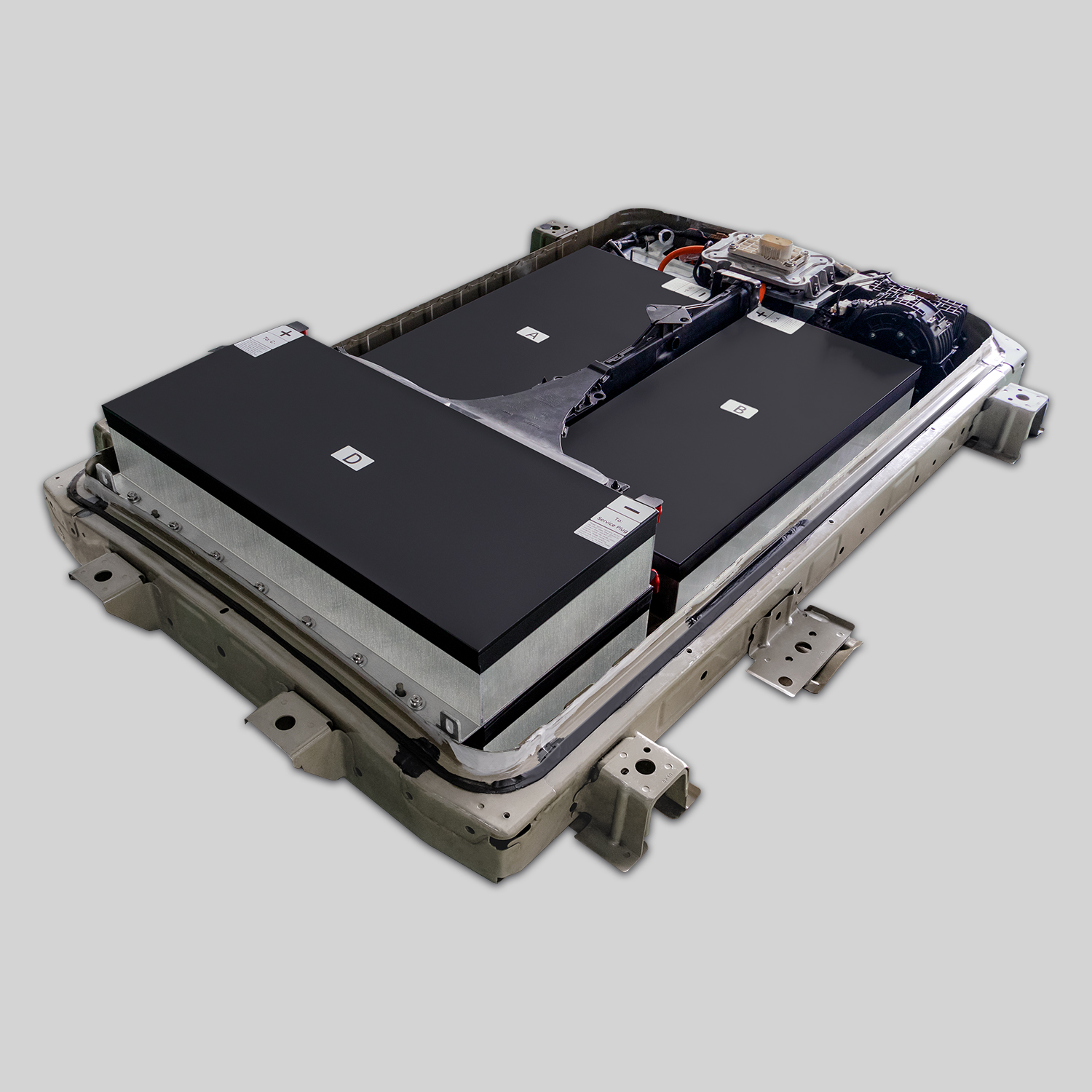
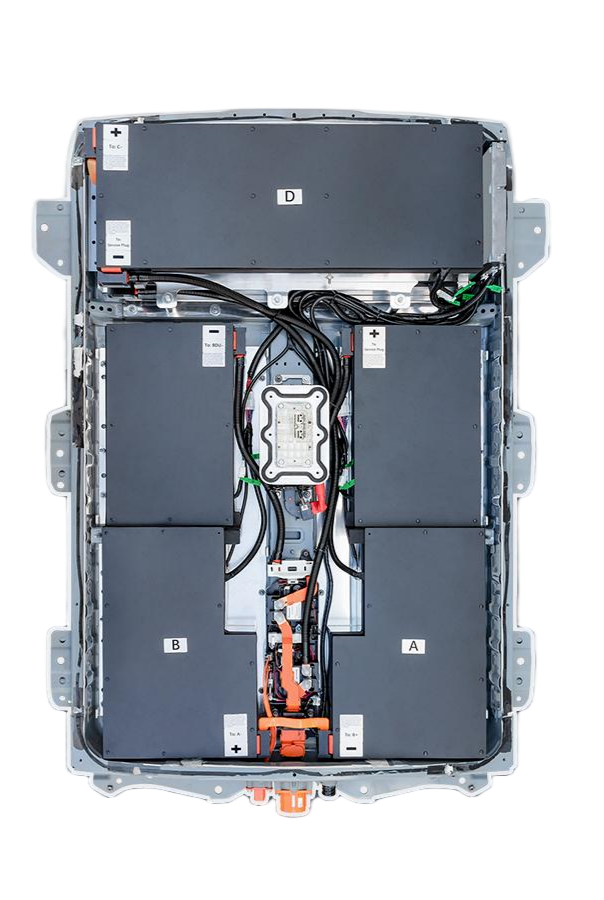
Our replacement packs are designed for plug-and-play compatibility. You will find a designated Current Sensor slot on the positive busbar or a pre-installed sensor.
- Scenario A (Sensor Included): If your new CNS pack came with a pre-installed sensor, you usually do not need to move the old one. Simply verify the harness connects to the BMS.
- Scenario B (Relocation Required): If your specific retrofit requires using the OEM sensor (common in certain hybrid or custom setups), you will need to clamp the OEM sensor around the positive main output cable of the new pack.
4. The “Dummy Plug” Method (Most Common for Nissan Leaf)
For standard Nissan Leaf 40kWh conversions using a new pack like CNS’s, the most common solution is not to move the physical sensor, but to trick the old harness.
Since the new pack has its own internal monitoring, the old sensor port needs to be closed:
- Bypass the Circuit: You can create a “dummy plug” by connecting the signal wire to the reference wire in the old sensor connector.
- Use an Adapter: Many professional kits (including those we provide in our installation bundles) include a small resistor adapter that plugs into the old sensor harness, signaling to the car that the sensor is “active” without requiring the physical hardware to be moved.
5. Final Connection and Programming
- Connect the high-voltage cables (Red to +, Black to -) from the new pack to the vehicle’s harness.
- Plug the relocated sensor harness (or dummy adapter) into the vehicle’s main harness where the old sensor was connected.
- Reconnect the 12V battery.
- BMS Reset: This is crucial. The BMS needs to be reset to recognize the new cell chemistry (if upgrading from Lead-Acid logic or old Li-ion). This often requires a simple code reset via an OBD2 scanner or our technician support.
📊 Visualizing the Difference
| Feature | Old 24kWh/30kWh Pack | New CNS 40kWh/62kWh Pack |
|---|---|---|
| Sensor Location | Negative Terminal | Positive Busbar / Internal |
| Cable Type | Often separate harness | Integrated into main contactor |
| User Action | Must Move/Bypass | Connect to designated port |
💡 Pro Tips from the CNS Workshop
- Don’t Force It: The Current Sensor is a precision instrument. If you are reusing the old sensor, do not overtighten the clamp, as this can damage the internal Hall Effect chip.
- Check Polarity: Double-check your positive and negative connections. Reversing polarity while the sensor is active will destroy the BMS instantly.
- Utilize Video Support: If you are unsure about the wiring, CNS BATTERY offers free video call installation guidance. Our engineers can walk you through the specific wiring loom for your model year.
📝 Conclusion
Moving or bypassing the Current Sensor is a small but vital step in your Nissan Leaf battery swap. By understanding the difference between your old and new pack configurations, you ensure that your new CNS lithium battery pack communicates seamlessly with your car’s computer.
Ready to take the next step? Whether you are upgrading a Nissan Leaf ZE0, ZE1, or AZE0, or looking at a BMW i3 conversion, our team is here to help.
Get a Free Custom Quote for your specific model today and receive a detailed installation manual tailored to your VIN.
❓ Frequently Asked Questions (FAQ)
Q1: Will my car know the difference if I don’t move the sensor?
A: Yes, it likely will. You may see a “Check Battery” warning light, or the range indicator may behave erratically (e.g., jumping from full to empty). The BMS relies on this sensor for Coulomb counting.
Q2: Can I just tape the old sensor to a cable on the new pack?
A: While some DIYers do this, it is not recommended. The magnetic field and current flow on the new pack’s cables are different. The best practice is to use the new pack’s built-in sensor or a proper bypass resistor for the old harness.
Q3: Do CNS BATTERY packs come with the necessary adapters?
A: We design our packs for OEM compatibility. For most standard Nissan Leaf models, the harness connects directly. However, for unique retrofit scenarios, we provide specific adapter looms. Contact our technical experts to confirm what your specific vehicle needs.
Q4: How long does the entire battery swap take?
A: For a professional technician, the physical swap usually takes 1-2 hours. This includes removing the old pack, installing the new one, and making the high-voltage connections. Adding the BMS programming and testing may extend this by another 30 minutes.
Q5: What if I run into trouble during the installation?
A: Don’t panic. CNS BATTERY offers lifetime technical support. You can reach out via email or schedule a video call for real-time troubleshooting.
Ready to Revive Your EV?
Contact our experts for a seamless battery upgrade experience.