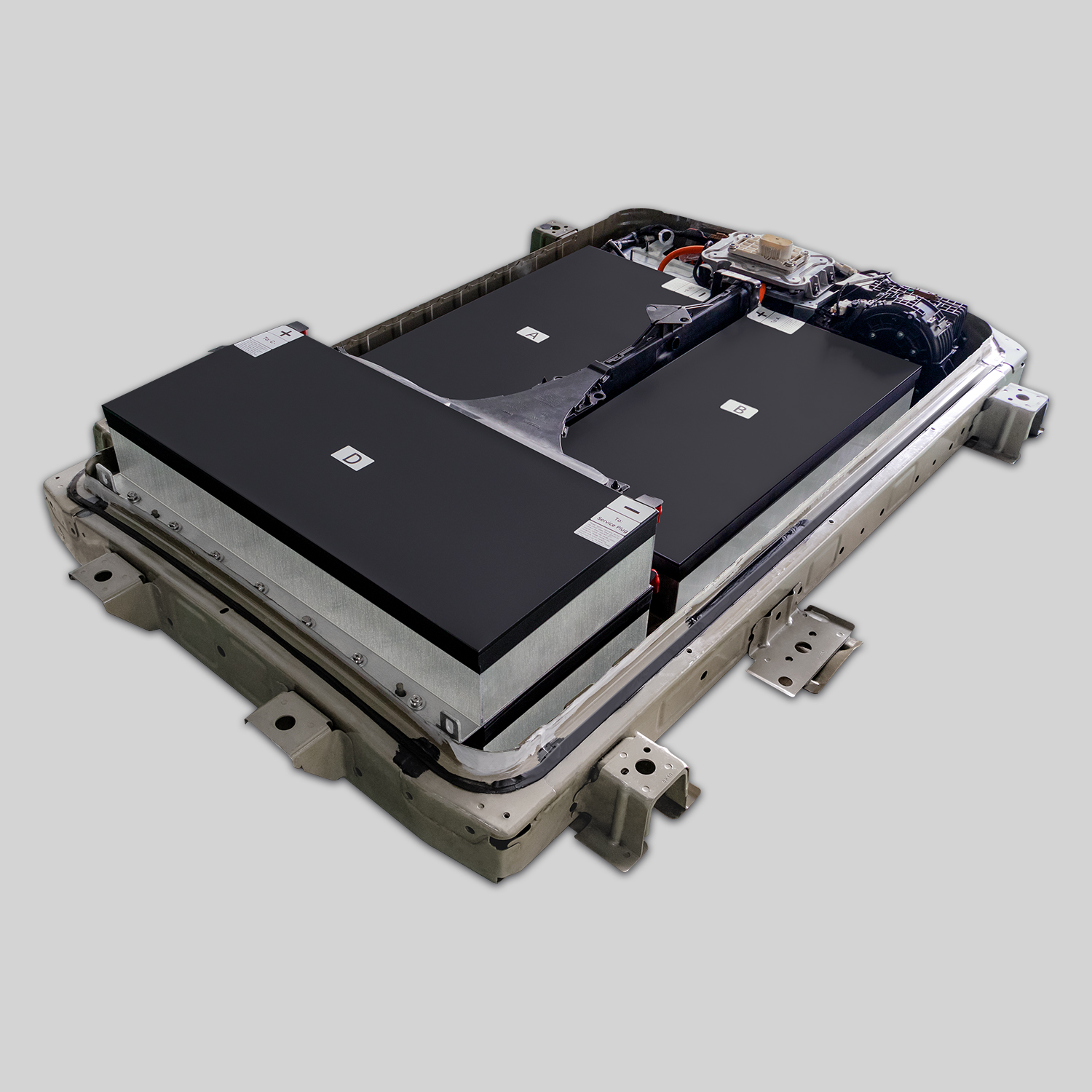
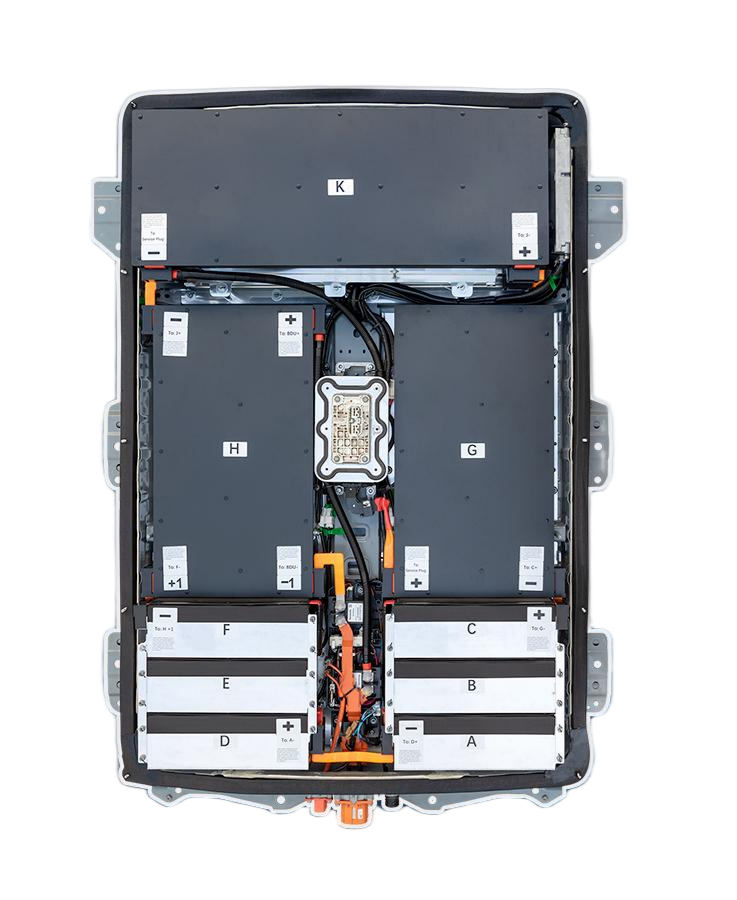
OEM vs. Aftermarket: Which is Better for Your Leaf ZE1 Replacement?
Is your Nissan Leaf ZE1 struggling with range anxiety? If you own a Leaf ZE1 (2011-2013 model), you know the original 24kWh battery has likely seen better days. Replacing it is a significant investment, and the decision usually boils down to two options: buying an expensive Original Equipment Manufacturer (OEM) pack from a dealership or opting for a high-quality aftermarket solution.
As a seasoned expert in the EV battery industry, I’m here to cut through the marketing noise. In 2026, the landscape has changed. You don’t need to mortgage your house for a reliable battery. This guide will break down the real differences between OEM and aftermarket batteries, focusing on what matters most: your wallet, your range, and your peace of mind.
The Nissan Leaf ZE1 Battery Dilemma
The Leaf ZE1 was a pioneer, but its batteries are now over a decade old. Most ZE1 owners are facing complete battery degradation or “bricking.” Nissan no longer produces new 24kWh packs for this generation, so the “OEM” option usually means a refurbished unit pulled from a salvage car.
The core question isn’t just about price; it’s about value. Are you paying a premium for a brand name, or are you investing in new technology?
The OEM “Refurbished” Reality
When you buy a “genuine” replacement from a Nissan dealer today, you are typically buying a used battery that has been tested and repackaged.
- The Cost: Expect to pay between $8,000 and $12,000.
- The Risk: You are buying someone else’s used goods. The battery cells have already completed a portion of their lifecycle. There is no way to know the true health of the internal cells.
- The Specs: You are stuck with the original 24kWh technology, which offers a real-world range of about 60-80 miles.
The Aftermarket “New” Advantage
Aftermarket manufacturers, like CNS Battery, build brand-new battery packs using the latest cell chemistry from top-tier suppliers like CATL.
- The Cost: Typically 50% less than OEM, often ranging from $4,000 to $6,000 for a new pack.
- The Tech: You get brand-new lithium-ion cells. Better yet, many aftermarket providers offer upgrades. Instead of the old 24kWh, you can often upgrade to a 40kWh or even 62kWh module configuration, effectively doubling your range.
- The Warranty: Reputable aftermarket companies offer competitive warranties to back their new hardware.
The Ultimate Comparison: OEM vs. Aftermarket
To help you visualize the difference, let’s compare the two options side-by-side.
| Feature | OEM (Dealership) | Premium Aftermarket (CNS Battery) |
|---|---|---|
| Battery Type | Refurbished (Used core) | Brand New (New cells) |
| Price Range | $8,000 – $12,000+ | $4,000 – $6,000 |
| Range (ZE1) | ~75 miles (24kWh) | ~150+ miles (40kWh+) |
| Warranty | 1 year / 12,000 miles (Typical) | 2 Years / 80,000 miles |
| Technology | 2011-2013 Era Cells | Modern CATL/LG Cells |
Why Choosing an Aftermarket Upgrade Makes Sense for ZE1
If you are considering an aftermarket solution, specifically for the Leaf ZE1, you are looking at a transformation, not just a replacement.
1. The “New Cell” Guarantee
The most significant advantage is obvious: brand-new cells vs. used cells. An OEM refurb might work, but it inherits all the aging issues of a 10+ year old battery. A new aftermarket pack from a reputable manufacturer uses fresh, high-grade prismatic cells. This means you start your battery life cycle at 100% State of Health (SOH), not at 60% or 70%.
2. The Range Upgrade Opportunity
This is where it gets exciting for ZE1 owners. The ZE1 chassis can often physically accommodate the larger modules from the ZE0 (2013-2017) or even AZE0 (2018-2023) models.
- OEM Path: You get your original 24kWh back. You can drive to the grocery store and back.
- Aftermarket Path: You can upgrade to 40kWh or 62kWh. Suddenly, your 2011 Leaf can handle highway commutes and weekend trips. This is a “Plus” conversion that breathes new life into an old car.
3. Superior Warranty Coverage
Let’s talk about peace of mind. Many OEM refurbishments come with a standard 1-year warranty. In contrast, leading aftermarket providers offer 2-year or 80,000 km warranties. This extended coverage reflects the manufacturer’s confidence in the product’s durability. If a new cell fails within two years, it is replaced—no questions asked.
4. Cost Efficiency
Saving 50% on the purchase price is a massive financial relief. But the savings don’t stop there. Newer aftermarket batteries often have improved energy density and thermal management, leading to lower long-term maintenance costs and better charging efficiency.
Making the Right Choice for Your Budget
Choosing between OEM and aftermarket isn’t just about being cheap; it is about being smart.
If you choose OEM:
You are paying a premium for the Nissan badge. You are accepting the limitations of old technology. You are taking a gamble on the remaining lifespan of a used battery. You are stuck with the original range.
If you choose a Premium Aftermarket (like CNS):
You are investing in modern technology. You are getting a battery with a longer potential lifespan. You have the freedom to upgrade your range. You get a longer warranty for half the price.
For the Leaf ZE1, which is a beloved but aging platform, the aftermarket route offers a clear path to modern EV usability. Why drive a car with 70 miles of range when you can have a car with 150+ miles of range for the same price as fixing the old one?
Frequently Asked Questions (FAQ)
1. Is an aftermarket battery safe for my Leaf ZE1?
Yes, if you choose a reputable manufacturer. Look for companies that use cells from Tier-1 suppliers (like CATL, LG, or Samsung) and have proper Battery Management Systems (BMS) with certifications. Reputable brands undergo rigorous testing for thermal runaway and short circuits.
2. Will an aftermarket battery void my car’s warranty?
Since the Leaf ZE1 is over 10 years old, the original factory warranty has long expired. This question is generally irrelevant for this specific model year.
3. Can I really upgrade from 24kWh to 40kWh in my ZE1?
Yes, this is a popular modification. The physical dimensions of the 40kWh modules (from later Leaf models) often fit within the ZE1 chassis with minor modifications or adapter brackets. An aftermarket specialist can provide a custom solution that integrates the larger capacity modules with your existing ZE1 electronics.
4. How long does an aftermarket battery last?
A brand-new lithium-ion battery from a quality aftermarket provider should last 8-10 years under normal driving conditions, similar to a new car battery. With proper care and avoiding extreme temperatures, it can last even longer.
Ready to revive your Nissan Leaf ZE1 with a brand-new, high-capacity battery? Don’t let your car die because of an old battery. Get a free, no-obligation quote today and discover how you can upgrade your range while saving thousands.