Nissan Leaf Plus New Battery Installation Guide
Is your Nissan Leaf struggling with range anxiety? You’re not alone. As the original batteries in the Leaf ZE0, ZE1, and AZE0 models age, their capacity drops, leaving drivers stranded or constantly hunting for chargers. The solution is a Nissan Leaf Plus New Battery Installation.
At CNS BATTERY, we specialize in revitalizing Nissan and BMW electric vehicles. We understand that the thought of replacing a massive lithium-ion pack can be intimidating. Many owners fear complex wiring, expensive dealership fees, and the risk of buying a “lemon.” However, modern technology and our plug-and-play design philosophy have made this process safer and more accessible than ever.
This comprehensive guide will walk you through the entire process of upgrading to a Nissan Leaf Plus battery. We’ll cover the benefits of increasing your capacity from 40kWh or 62kWh to a massive 80kWh or even 100kWh, the step-by-step installation process, and why choosing a high-quality aftermarket solution like CNS BATTERY is the smartest financial decision for your car.
Why Upgrade to a Nissan Leaf Plus Battery?
Before we dive into the tools and steps, let’s answer the most important question: Why should you install a new battery?
The “Leaf Plus” refers to the newer generation of Nissan Leafs (specifically the SV Plus and SL Plus trims) that feature significantly larger battery packs. By installing a Nissan Leaf Plus New Battery in your older model (2011-2019), you are essentially performing a “Frankenstein” upgrade that turns your old hatchback into a long-range electric vehicle.
The Benefits:
- Doubled Range: Move from a frustrating 100km (60 miles) to a comfortable 350km+ (220 miles).
- Cost Efficiency: Replacing a battery with a new OEM unit can cost over $16,000. A premium aftermarket Leaf Plus battery costs roughly half that.
- Performance: Newer chemistries often charge faster and deliver more consistent power.
Pre-Installation Checklist: Safety First
Safety is paramount when working with high-voltage systems. Do not skip this section. Lithium-ion batteries store immense energy, and a short circuit can cause fire or serious injury.
Tools You Will Need:
- Insulated Tools: A full set of insulated wrenches and screwdrivers (rated for 1000V).
- PPE (Personal Protective Equipment): Rubber insulated gloves and safety glasses.
- Lifting Equipment: An electric or manual pallet jack, or a transmission jack. The battery pack weighs approximately 300kg (660 lbs).
- Diagnostic Tool: An OBD2 scanner to reset the Battery Management System (BMS) after installation.
The Environment:
Ensure your workspace is dry, clean, and well-ventilated. Never work on the battery in the rain or on a wet surface.
Step-by-Step Nissan Leaf Plus New Battery Installation
This guide assumes you are replacing the entire pack (the safest and most reliable method). If you are only replacing modules, the process is more complex and requires welding or bolting connections, which is not recommended for beginners.
Step 1: Disconnect the High Voltage
This is the most critical step.
- Open the hood and locate the 12V auxiliary battery.
- Disconnect the negative terminal (-). This cuts power to the vehicle’s main computer and the contactors in the high-voltage circuit.
- Wait at least 10 minutes to allow any residual charge in the capacitors to dissipate.
Step 2: Remove the Underbody Panels
- Crawl under the vehicle (use jack stands for safety).
- Remove the plastic underbody splash guards. These are usually held on by plastic push clips.
- Be careful not to damage the clips; you will need them for reinstallation.
Step 3: Disconnect the Cables
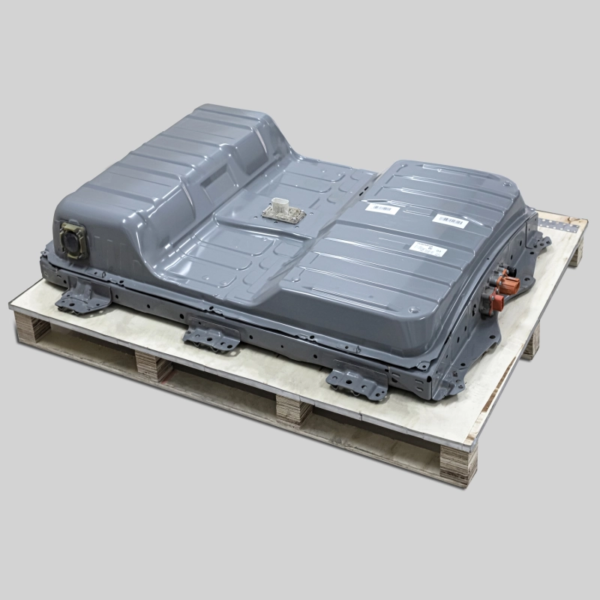
Locate the large orange high-voltage connector and the smaller signal connectors on the side of the battery box.
- Release the locking mechanism on the high-voltage connector.
- Gently pull the connector straight out. Do not yank on the cable.
- Disconnect the 12V auxiliary cable and any temperature sensor cables.
Step 4: Remove the Old Battery
- Locate the front and rear mounting brackets securing the battery to the chassis.
- Remove the bolts. There are typically 4-6 main bolts.
- Carefully slide the old battery out using the jack. Be mindful of your back; this is heavy.
Step 5: Install the New Nissan Leaf Plus Battery
- Slide the new Leaf Plus battery into place using the jack.
- Align the mounting holes and tighten the bolts to the manufacturer’s specified torque (usually around 80-100 Nm).
- Reconnect all cables: signal connectors first, then the large high-voltage connector. Ensure the orange connector clicks securely into place.
Step 6: Reassembly and Testing
- Reinstall the underbody panels.
- Reconnect the 12V negative terminal.
- Turn the ignition on (do not start the car yet). The dashboard lights should illuminate.
- Use your OBD2 scanner to perform a “BMS Learn” or “Reset” procedure. This tells the car’s computer about the new battery’s capacity.
Why Choose CNS BATTERY for Your Leaf Upgrade?
As experts in the field, we know that the quality of the cells inside the battery is what truly matters. Many cheap alternatives on the market use recycled or “B-grade” cells that degrade rapidly.
When you choose CNS BATTERY for your Nissan Leaf Plus New Battery Installation, you are getting:
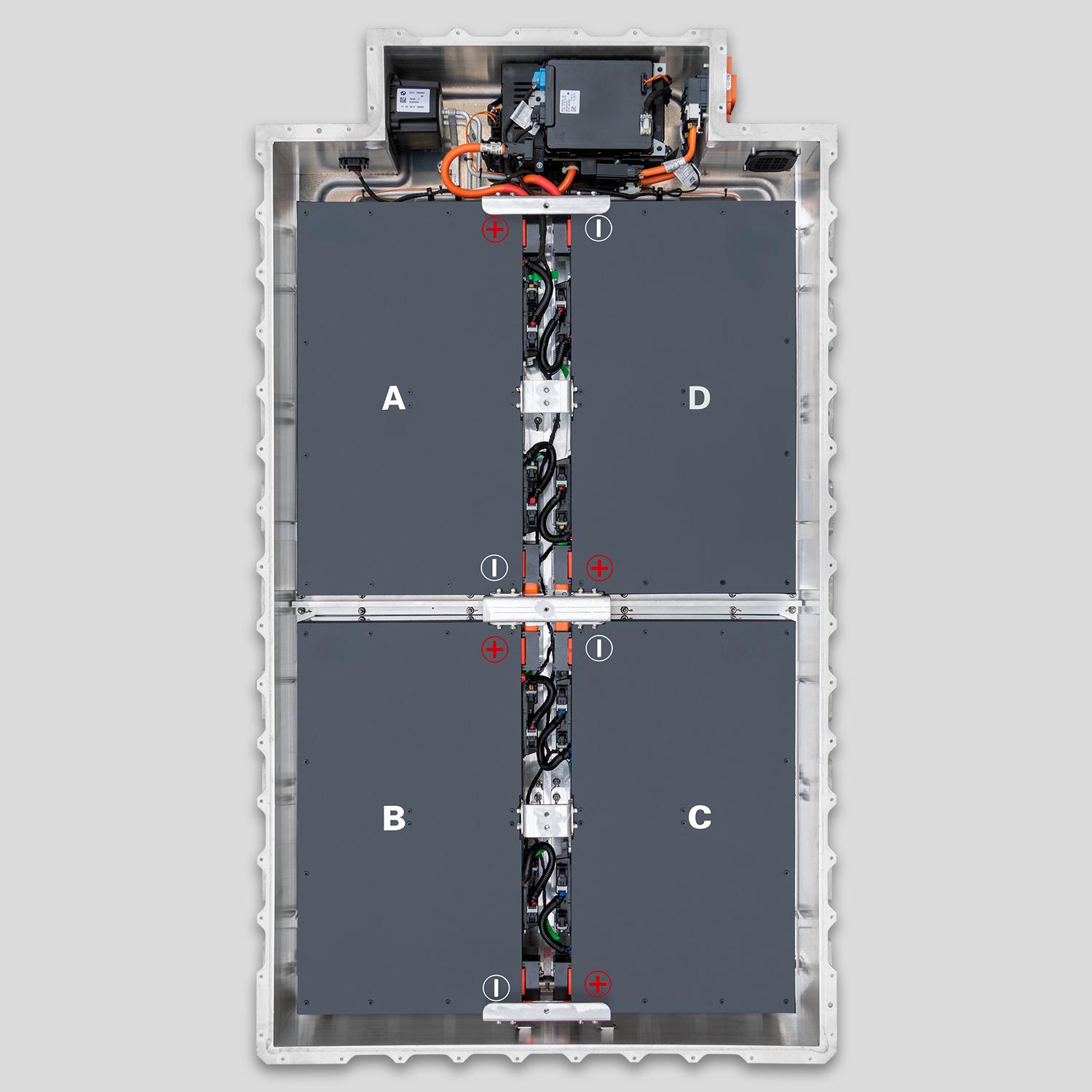
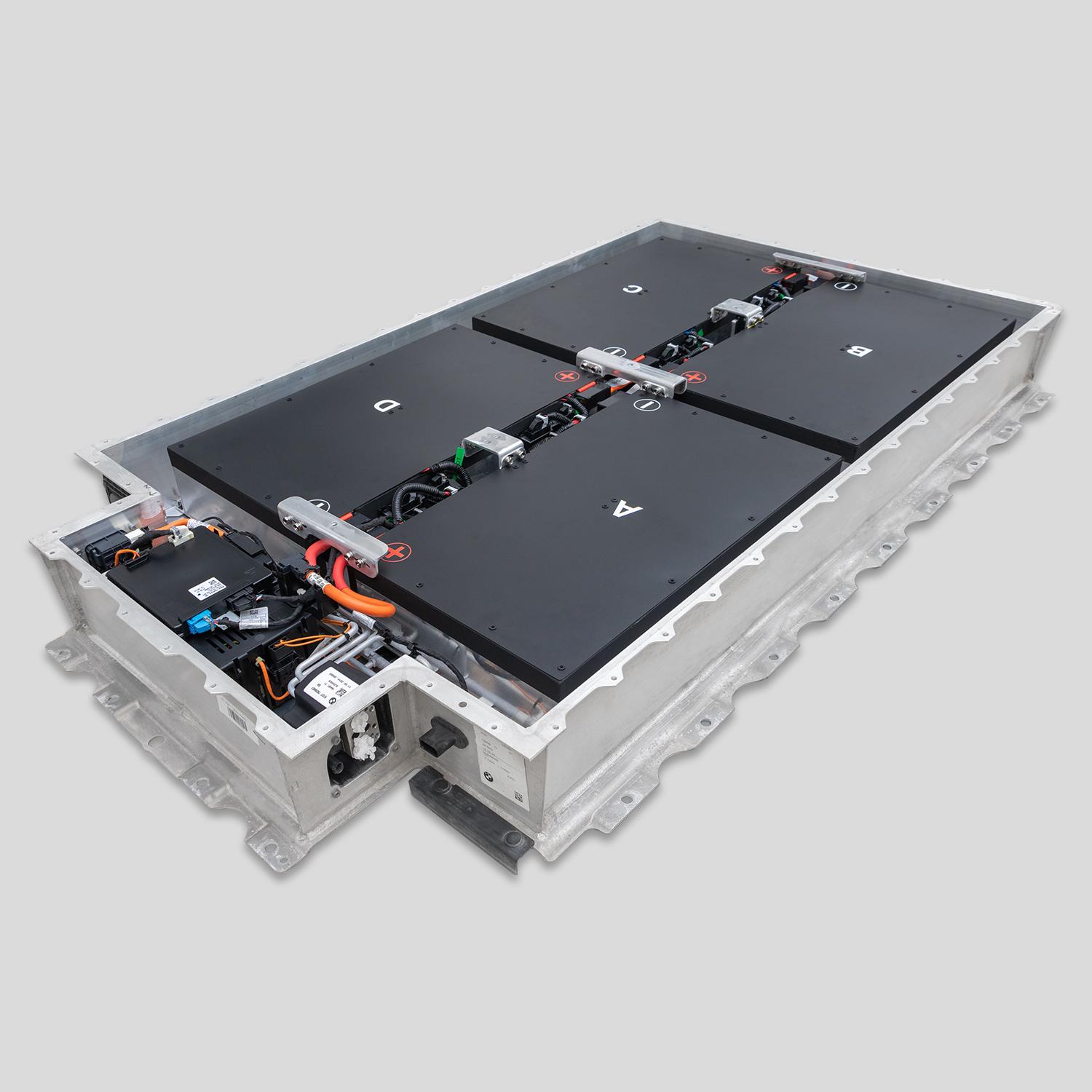
- Brand New CATL Cells: We use cells from Contemporary Amperex Technology Co. Limited (CATL), the world’s largest lithium-ion battery manufacturer. These are the same quality cells used by major OEMs.
- Plug-and-Play Design: Our packs are engineered to fit the Nissan Leaf chassis perfectly, with OEM-standard connectors that match your car’s wiring harness.
- Unbeatable Warranty: We back our confidence in quality with a 2-year / 80,000 km warranty. This covers manufacturing defects and ensures your battery maintains at least 70% capacity during the warranty period.
Expert Tip: Before you begin the installation, take a picture of your VIN (Vehicle Identification Number) and send it to our customer support. We offer a free compatibility check to ensure the Leaf Plus battery you receive is perfectly programmed for your specific model year (ZE0, ZE1, or AZE0).
Post-Installation Care
Once your installation is complete, your car is ready to drive. However, for the first few charge cycles, we recommend the following to maximize the lifespan of your new Nissan Leaf Plus battery:
- Avoid 100% Charging: For the first 5 charges, try to stop at 80-90%.
- Avoid Deep Discharges: Do not let the battery drop below 10% for the first month.
- Temperature Management: If you live in a very cold climate, park the car in a garage or allow the battery to precondition before fast charging.
Frequently Asked Questions (FAQ)
Q1: Is installing a Nissan Leaf Plus battery a DIY job, or do I need a mechanic?
While the process is designed to be “plug-and-play,” the battery weighs over 300kg. If you have access to a floor jack and basic mechanical skills, it is possible to do it yourself. However, if you are uncomfortable working with high voltage, we strongly recommend hiring a certified mechanic. Many of our customers find that the savings on the battery cost alone justify paying a mechanic, still saving thousands compared to a dealership.
Q2: Will a new battery void my car’s warranty?
Generally, replacing the battery pack itself does not void the warranty on other components (like the motor or suspension) unless the new battery causes damage to those parts. However, the car manufacturer will no longer cover the battery under their warranty. This is why our 2-year warranty is crucial for your peace of mind.
Q3: How much does a Nissan Leaf Plus battery cost?
Prices vary depending on the capacity (kWh) and the specific model year of your Leaf. Generally, you can expect to pay roughly 50% less than the cost of a new OEM Nissan battery. For an exact quote, we recommend using our online configurator or contacting our sales team directly with your VIN.
Q4: How long does the installation take?
For a professional technician, the physical swap usually takes about 1 to 2 hours. This includes disconnecting the old pack, installing the new one, and reconnecting the cables. If you are doing it yourself for the first time, budget at least 3 hours to be safe.
Q5: What capacity should I upgrade to? 62kWh or 80kWh?
This depends on your budget and driving needs.
- 62kWh: Ideal for daily commuting. It offers a significant upgrade from the old 24kWh or 30kWh packs, giving you a range of about 200-240 km.
- 80kWh/100kWh: This is the “Plus” experience. If you do long road trips or want maximum range, go for the higher capacity. It transforms the Leaf into a true long-range EV.
Ready to transform your Nissan Leaf into a long-range powerhouse? Don’t let range anxiety limit your adventures. Visit our contact page today to get a free, personalized quote for your Nissan Leaf Plus New Battery.