Installing CNS Battery Modules: A Complete Visual Guide for Technicians
Are you ready to upgrade your Nissan or BMW EV with a new CNS Battery pack? This comprehensive guide is designed for both professional technicians and skilled DIY enthusiasts. We understand that replacing an EV battery is a significant task, and your primary concerns are safety, compatibility, and ease of installation.
At CNS BATTERY, we specialize in OEM-compatible lithium-ion powertrains for Nissan and BMW models. Unlike complex, non-standard aftermarket solutions, our batteries are engineered to match the original factory specifications, making the installation process remarkably straightforward.
This guide will walk you through the entire process, from preparation to final diagnostics, ensuring a successful upgrade that extends your vehicle’s range and improves safety.
⚠️ Safety First: Preparing for the Installation
Before you begin the physical installation, safety is paramount. Lithium-ion batteries store high energy, and improper handling can lead to serious injury or damage.
- Disconnect the Power: Always start by disconnecting the vehicle’s 12V auxiliary battery to cut all power to the vehicle’s systems.
- Personal Protective Equipment (PPE): Technicians must wear insulated gloves and safety glasses to prevent electrical shock and eye injuries.
- Workspace Preparation: Ensure the vehicle is on a level surface and securely lifted. The workspace should be clean, dry, and free of conductive debris.
Expert Tip: If you are not a certified technician, we strongly recommend having the installation performed by a professional to avoid voiding your warranty and to ensure the highest safety standards.
🛠️ The Installation Process: Step-by-Step
The installation of a CNS Battery module typically takes 1 to 2 hours for a professional technician. Our packs are designed for “Plug-and-Play” compatibility, meaning they fit the original mounting points and connectors without modification.
Step 1: Removal of the Old Battery
- Carefully remove the vehicle’s underbody covers and access panels.
- Disconnect the high-voltage cables from the existing battery pack. Always insulate the disconnected ends immediately.
- Remove the mounting bolts securing the old battery to the chassis.
- Use a suitable lifting device to safely lower the old battery pack from the vehicle.
Step 2: Preparing the New CNS Battery
- Inspect the new CNS Battery pack for any shipping damage (though our robust packaging minimizes this risk).
- Ensure the Battery Management System (BMS) cover is securely fastened.
- Verify that all high-voltage and signal connectors are clean and undamaged.
Step 3: Mounting the New Battery
- Lift the new CNS Battery pack into position using the vehicle’s original mounting points.
- Secure the battery with the original mounting bolts, tightening them to the manufacturer’s specified torque settings.
- Reconnect the high-voltage cables and the low-voltage signal connector. Our connectors are color-coded and keyed to prevent incorrect installation.
Step 4: System Integration and Programming
- Reconnect the vehicle’s 12V auxiliary battery.
- Power on the vehicle. The CNS Battery’s BMS will automatically communicate with the vehicle’s systems.
- BMS Programming: In some cases, the BMS may require programming to sync with the vehicle. Our customer service team provides remote video guidance to assist with this step, ensuring a successful “first try” connection.
📸 Visual Installation Guide
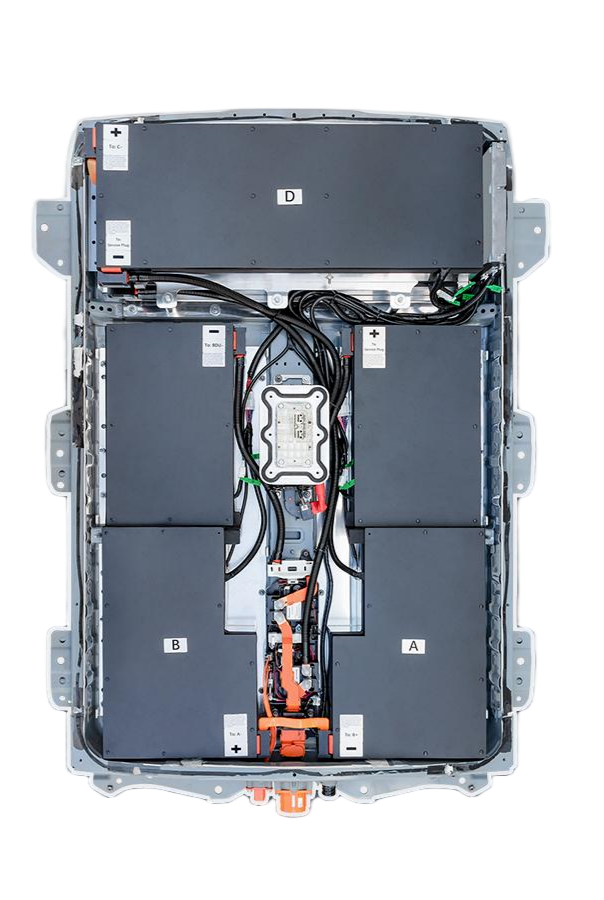
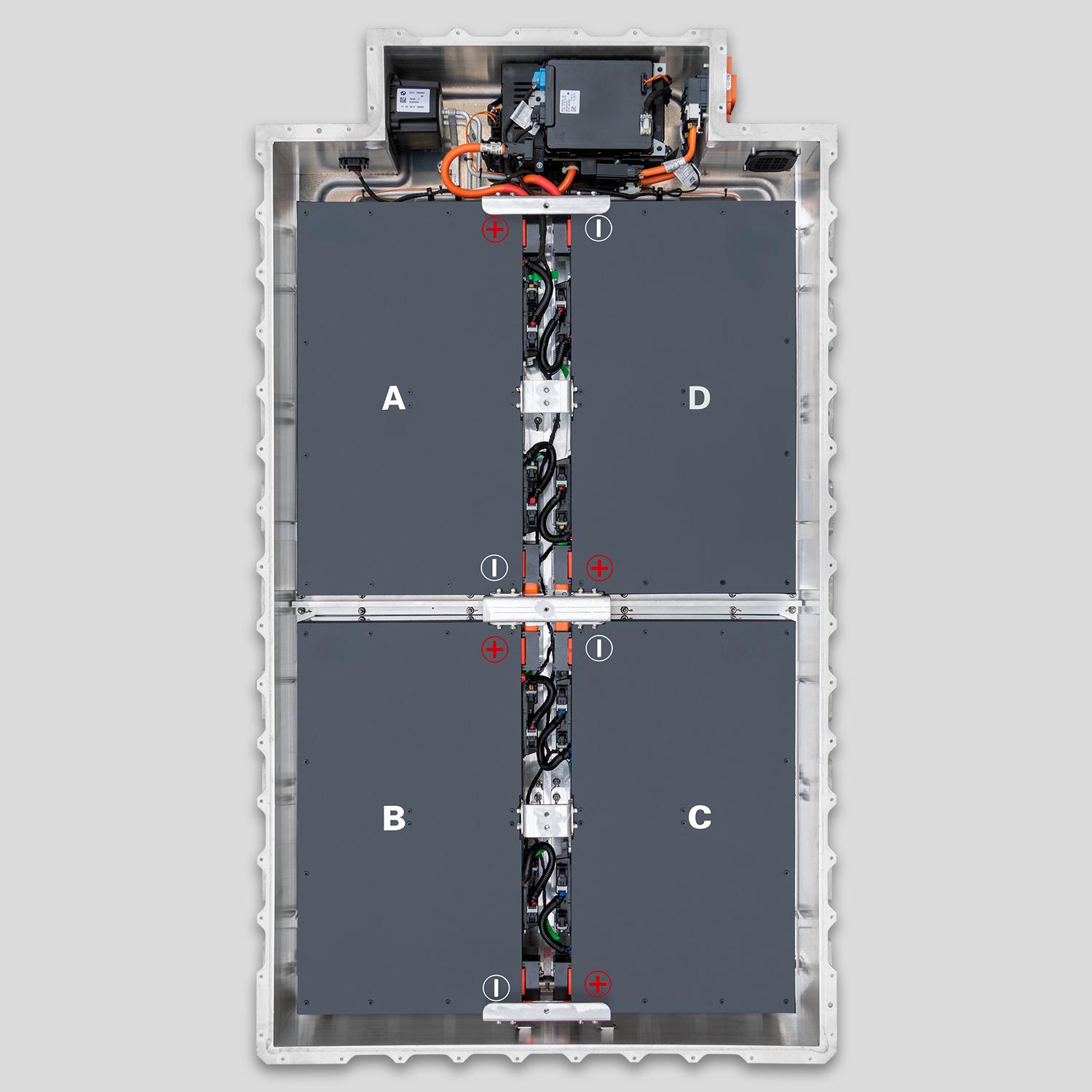
To help you visualize the process, refer to the images below showing the comparison between old and new modules and the connection points.

Figure 1: Comparison of a worn-out battery module (left) and a brand new CNS Battery module (right). Note the clean terminals and robust construction of the CNS unit.

Figure 2: Connecting the high-voltage cables. The color-coded and keyed connectors ensure a secure and correct fit every time.
✅ Post-Installation Checks
Once the installation is complete, perform the following checks to ensure everything is functioning correctly:
- Visual Inspection: Double-check that all cables are securely connected and routed away from moving parts or sharp edges.
- Leakage Test: Ensure there are no coolant leaks from the thermal management system connections.
- Test Drive: Take the vehicle for a short test drive to verify that the charging function works correctly and that there are no error messages on the dashboard.
📚 Frequently Asked Questions (FAQ)
1. How long does the installation take?
The installation process typically takes 1-2 hours. For a professional technician familiar with the model, the physical swap may only take 50 minutes. DIY users may need additional time to prepare tools and follow the video guides.
2. Is an installation guide provided?
Yes. We provide a comprehensive installation guide, including high-definition tutorial videos and downloadable PDF manuals. If you encounter any issues during the BMS programming step, our customer service team offers free remote video guidance via Zoom or Line to walk you through the process in real-time.
3. Are CNS batteries compatible with my Nissan/BMW models?
Yes, CNS Automotive Batteries are designed specifically for Nissan and BMW models, ensuring broad compatibility. We support a wide range of popular models, including the Nissan Leaf (ZE0, AZE0, ZE1), Nissan e-NV200, and BMW i3. To check your specific vehicle model, simply provide our customer service team with your vehicle’s year, model number, and VIN code for instant confirmation.
4. What warranty is offered on the installation?
While the installation labor is covered by the technician or repair shop performing the service, the CNS Battery itself comes with a comprehensive warranty. We offer a minimum 2-year / 80,000 km warranty (depending on the model), covering manufacturing defects. This includes free replacement or repair if any problems occur due to materials or workmanship.
Ready to revive your EV with a new CNS Battery? Get a Free Custom Quote today and experience the difference of OEM-standard quality at half the price.