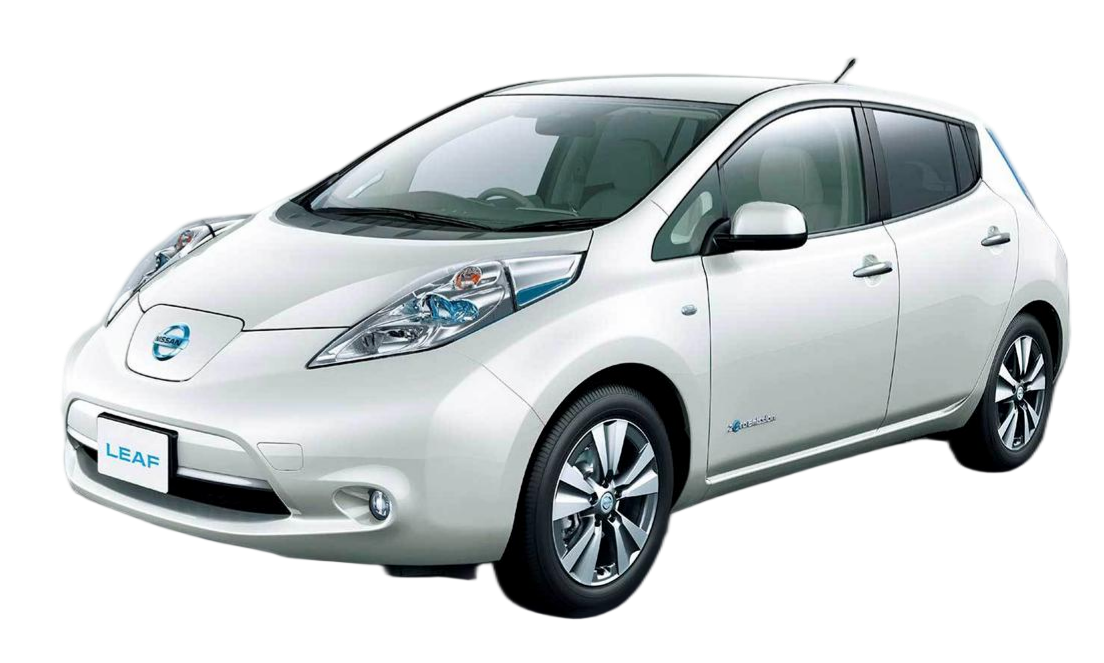
Upgrade Your Nissan Leaf Battery Modules: A Comprehensive Guide to New, High-Capacity Solutions
Are you tired of your Nissan Leaf’s limited range? If your daily commute feels like a constant race against the battery meter, it might be time to consider an upgrade. For many EV owners, the original battery pack no longer meets the demands of modern driving. Whether you drive a Leaf ZE0, ZE1, or AZE0, upgrading to new, high-capacity battery modules is the most effective way to breathe new life into your vehicle.
At CNS BATTERY, we specialize in providing Original Equipment Manufacturer (OEM) compatible battery solutions for Nissan and BMW electric vehicles. We understand the frustration of range anxiety, and our mission is to help you extend your driving range and improve safety without breaking the bank. Unlike refurbished or recycled batteries that come with hidden risks, we offer brand-new, premium battery modules built with cells from the world’s top manufacturers, such as CATL.
Why Upgrade Your Nissan Leaf Battery?
The Nissan Leaf has been a pioneer in the electric vehicle market, but battery technology has advanced significantly since the early models were released. Here are the primary reasons why thousands of Leaf owners are choosing to upgrade:
- Restore Driving Range: The most common reason for an upgrade is to combat battery degradation. Over time, lithium-ion batteries lose their capacity, reducing your range significantly.
- Cost Efficiency: Replacing a degraded battery with a brand-new OEM unit from the dealership can cost upwards of $16,000. An aftermarket upgrade offers the same (or better) performance at a fraction of the price.
- Performance Boost: Upgrading often means moving to a higher kWh capacity. For example, you can upgrade from a 40kWh or 62kWh pack to a 68kWh or even higher configuration, giving you a substantial boost in power and range.
Understanding Your Leaf Model: ZE0, ZE1, and AZE0
Before you purchase new modules, it is crucial to identify your specific Leaf generation. Compatibility varies between models, and using the wrong modules can lead to integration issues.
- Leaf ZE0 (2011-2017): The first generation. Upgrading this model often requires careful consideration of the Battery Management System (BMS) and physical dimensions.
- Leaf AZE0 (2018-2022): The second generation. These models generally have more advanced electronics and different cooling systems.
- Leaf ZE1 (2021-Present): The latest iteration, often featuring updated software and hardware specifications.
Expert Tip: Always perform a VIN compatibility check before purchasing. At CNS BATTERY, we offer a free pre-sales assessment to ensure the modules you buy are a perfect match for your specific chassis code.
The CNS BATTERY Advantage: New vs. Refurbished
When searching for “Nissan Leaf battery modules new,” you will encounter a market flooded with options. However, not all batteries are created equal. Many suppliers sell refurbished or recycled packs pulled from salvage yards. While they might seem cheaper upfront, they come with significant risks.
Here is how our brand-new modules compare to the competition:
| Feature | CNS BATTERY (New Modules) | Generic/Refurbished Modules | Original Manufacturer (OEM) |
|---|---|---|---|
| Cell Quality | Brand-new CATL/LG cells | Used, degraded cells (risk of swelling) | Factory new cells |
| Warranty | 24 months / 80,000 km | Often none or very short | Typically 8 years / 100k miles |
| Price | ~50% less than OEM | Cheap upfront, high failure risk | Very expensive |
| Performance | Zero degradation, full capacity | Unpredictable lifespan | Full capacity |
| Safety | High (Built to OEM standards) | Low (Unknown history, potential damage) | High |
Why choose new? Refurbished batteries are essentially a gamble. They may have been damaged in accidents, suffered from thermal runaway, or simply be too old to hold a charge. By choosing brand-new Nissan Leaf battery modules, you are investing in reliability and peace of mind.
How to Choose the Right Capacity for Your Needs
Selecting the correct kWh rating is a critical step in the upgrade process. We offer a range of capacities to suit different driving habits:
- 40kWh Modules: Ideal for city driving or as a budget-friendly replacement. Perfect if your original pack was 24kWh or 30kWh and you simply want to restore it to standard capacity.
- 50kWh – 62kWh Modules: The “sweet spot” for most drivers. This upgrade significantly increases your range, making highway driving and longer trips feasible.
- 68kWh+ Modules: For the ultimate range extension. This is the best choice if you frequently drive long distances and want to maximize your time between charges.
Recommendation: If you are upgrading, we generally recommend moving to at least a 62kWh configuration. This provides a noticeable difference in daily usability compared to the older 24kWh or 30kWh packs.
The Installation Process: Is it DIY Friendly?
One of the most common questions we receive is: “Can I install these new modules myself?”
The answer is yes, for many technically inclined owners. Replacing the battery modules is essentially a plug-and-play process for the physical hardware. The modules connect directly to the existing high-voltage harness and cooling lines in your Leaf.
However, the critical step is BMS (Battery Management System) Programming. When you install brand-new modules, the car’s software needs to be updated to recognize the new capacity and health of the battery. This usually requires specialized diagnostic tools.
Our Support System:
We don’t leave you hanging after the sale. Our professional customer service team offers:
- Step-by-step installation videos tailored to your specific Leaf model.
- Remote video guidance where an engineer can walk you through the wiring and programming process in real-time.
- Technical documentation and safety gear included with your order.
Frequently Asked Questions (FAQ)
Q1: How much does it cost to upgrade a Nissan Leaf battery?
A: The cost varies depending on the capacity (kWh) and your specific model (ZE0, ZE1). Generally, you can expect to pay approximately 50% less than the cost of a brand-new OEM replacement from a Nissan dealership. For an exact quote, you can use our free custom quote tool.
Q2: Is it safe to install a new battery myself?
A: If you have experience with automotive electrical systems and follow safety protocols (like wearing insulated gloves and disconnecting the 12V battery first), the physical installation is safe. However, due to the high voltage involved, we strongly recommend having a certified technician handle the BMS programming step if you are not experienced with EV diagnostics.
Q3: What is the warranty on your new battery modules?
A: We stand behind our products with an industry-leading warranty of 24 months or 80,000 kilometers (whichever comes first). This covers defects in materials and workmanship, as well as performance degradation (ensuring the battery maintains at least 70% capacity).
Q4: Will a new battery upgrade affect my car’s original warranty?
A: This depends on your region and specific dealership policies. However, many of our customers have successfully installed our packs without issues. Before purchasing, we recommend checking your local regulations. Our pre-sales team can also help verify compatibility and potential warranty implications based on your VIN.
Ready to Extend Your Range?
Don’t let a degraded battery limit your adventures. Upgrading to new, high-capacity modules is the most cost-effective way to restore your Nissan Leaf to its former glory—or even make it better than new.
Take the first step today. Our team of technical experts is ready to assist you with a free compatibility assessment and a personalized quote. Whether you drive a Leaf ZE0, ZE1, or another compatible model, we have the solution for you.