The Ultimate Guide to Transporting Your Nissan Leaf Battery for Recycling
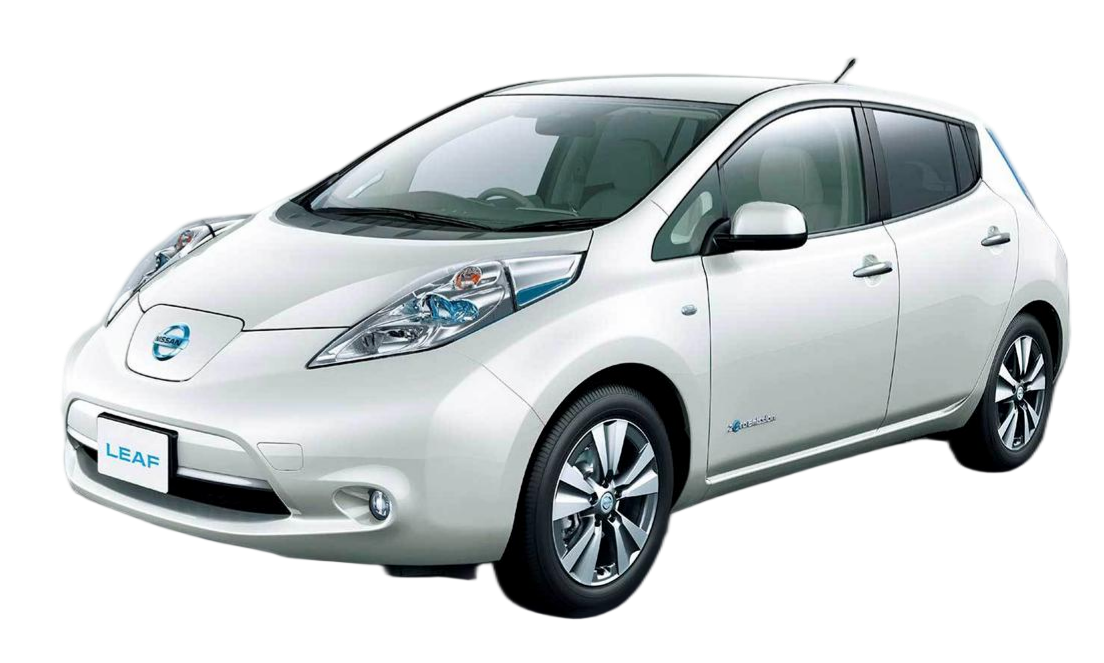
Recycling your old Nissan Leaf battery is the right move for the planet, but it requires strict safety protocols. As an OEM-compatible battery manufacturer, we understand the complexities of lithium-ion chemistry. A degraded Leaf battery pack is not just scrap metal; it’s classified as Dangerous Goods (Class 9) for a reason.
Improper handling can lead to short circuits, thermal runaway, or fire. If you are planning to recycle your Leaf battery, this guide provides the critical safety steps you need to follow before handing it over to a certified recycler.
Why Safety is Non-Negotiable
Before we discuss transportation, it is vital to understand the “why.” While your battery may be degraded—meaning it no longer holds a sufficient charge for driving—the high-voltage cells inside still contain residual energy. If the terminals are exposed or the casing is compromised, the risk of a hazardous incident increases significantly during transit.
At CNS BATTERY, our engineering team designs for ultimate safety and long battery life, adhering to strict OEM standards. We believe that safety doesn’t end at the factory gate; it extends to how the product is handled at the end of its life cycle.
Step-by-Step: Preparing the Battery for Transport
Transporting a lithium-ion battery requires a methodical approach. Do not attempt to ship a loose battery pack. Follow these steps to ensure compliance and safety.
1. Secure the High-Voltage Terminals
The most critical part of the battery pack is the output terminal. Before moving the battery, the high-voltage connectors must be disconnected and insulated.
- Disconnect: Ensure the battery is completely disconnected from the vehicle’s BMS (Battery Management System) and main contactors.
- Insulate: Use high-voltage insulation tape (rated for at least 1000V) to cover the positive and negative terminals. This prevents accidental short circuits if the battery comes into contact with metal surfaces during loading.
2. Protect the Battery Casing
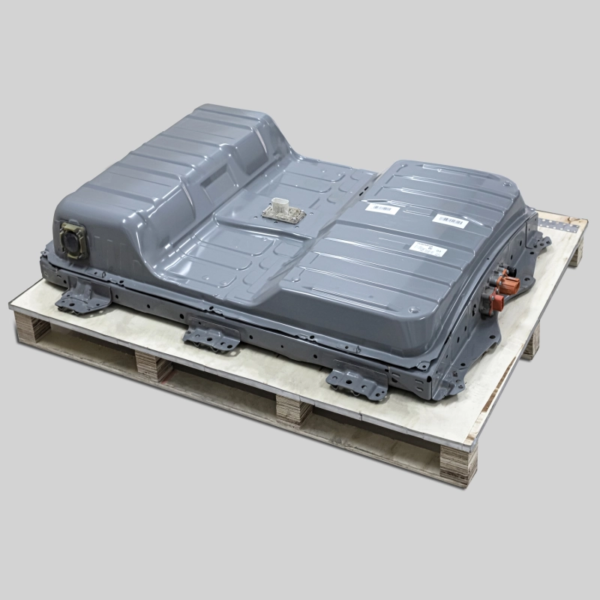
The Nissan Leaf battery pack has a specific structural integrity. During transport, the casing must be protected from punctures.
- Original Mounting Brackets: If possible, keep the original mounting brackets attached. These brackets are designed to lift the battery without putting stress on the internal cells.
- Wooden Crate (Fumigation-Free): For long-distance transport or shipping, the battery must be placed in a sturdy, fumigation-free wooden crate. This crate acts as a secondary containment system. Ensure there is no loose movement inside the crate to prevent internal damage during transit.
3. Documentation and Labeling
Lithium-ion batteries fall under UN 3480 regulations. If you are working with a logistics provider, they will require specific documentation. However, as a consumer or technician preparing the battery, you must ensure the package is clearly labeled as “Lithium-Ion Battery” or “Used Lithium-Ion Battery” to alert handlers to the potential hazard.
The CNS BATTERY Difference: OEM Compatibility
While you are preparing your old battery for recycling, you might be considering a replacement. Many Nissan Leaf owners face the dilemma of exorbitant costs for original manufacturer replacements. At CNS BATTERY, we offer a smarter solution.
We specialize in Original Equipment Manufacturer (OEM) compatible battery packs for the entire Nissan model range, including the Leaf ZE0, AZE0, and ZE1 series. Our packs are engineered to the same rigorous standards as the original factory parts but at a fraction of the cost.
Key Advantages of Upgrading with CNS:
- Brand New CATL Cells: Unlike refurbished or degraded batteries, we utilize brand-new, top-tier cells.
- Precise Adaptation: Our packs are designed for plug-and-play integration, matching the voltage, capacity, and interface of your specific Leaf model.
- Unbeatable Warranty: We back our quality with a comprehensive warranty, covering you for peace of mind.
Get a Free Custom Quote for Your Nissan Leaf
Don’t let a degraded battery keep you off the road. Whether you drive a Leaf ZE0, AZE0, or ZE1, we have the perfect battery solution to revive your vehicle’s range and performance.
Simple steps:
- Select your vehicle model;
- Enter your specifications preferences;
- Submit to receive personalized recommendations.
CNS is committed to reliable battery innovation, helping you extend your range and improve safety. Data is encrypted; you can unsubscribe at any time.
Frequently Asked Questions (FAQ)
Q1: Can I ship a Nissan Leaf battery via standard courier services like FedEx or UPS?
A1: Standard shipping is generally not allowed for loose lithium-ion battery packs due to their classification as dangerous goods (UN 3480). They require specialized handling, specific packaging (like UN-certified crates), and documentation. For large packs like the Leaf, it is often handled via freight services that comply with IATA (air), IMDG (ocean), or ADR (land) regulations. Always consult with your logistics provider or recycler for their specific requirements.
Q2: What is the difference between a “degraded” battery and a “faulty” battery for transport purposes?
A2: From a transport regulation standpoint, there is no difference. Both degraded (low capacity) and faulty (short circuit, swelling) batteries are treated as hazardous materials. The primary risk during transport is physical damage leading to a short circuit, regardless of the battery’s current state of health.
Q3: Does CNS BATTERY offer recycling services for my old battery?
A3: While we focus on manufacturing new, high-performance OEM-compatible batteries, we strongly encourage proper recycling. We recommend handing your safely packaged old battery to certified electronic waste (e-waste) recyclers or your local Nissan dealership, as they have established reverse logistics channels for proper disposal and material recovery.
Q4: How do I know if a CNS battery is compatible with my specific Nissan Leaf year and model?
A4: Compatibility is based on OEM standards, including voltage, capacity, and interface matching. To be 100% certain, you can provide your vehicle’s year, model number, and VIN code to our customer service team. We perform a free compatibility assessment to ensure a perfect match before you purchase.