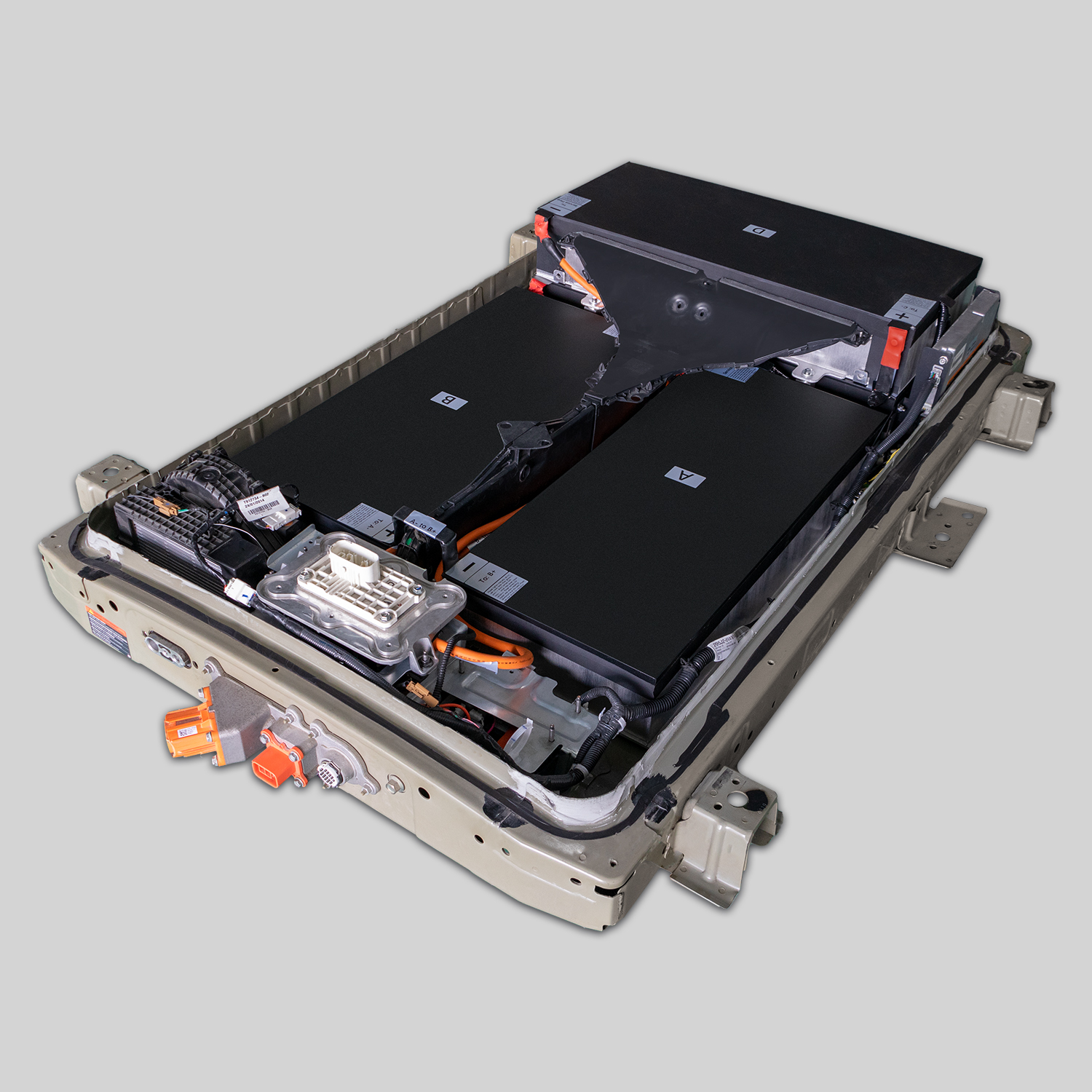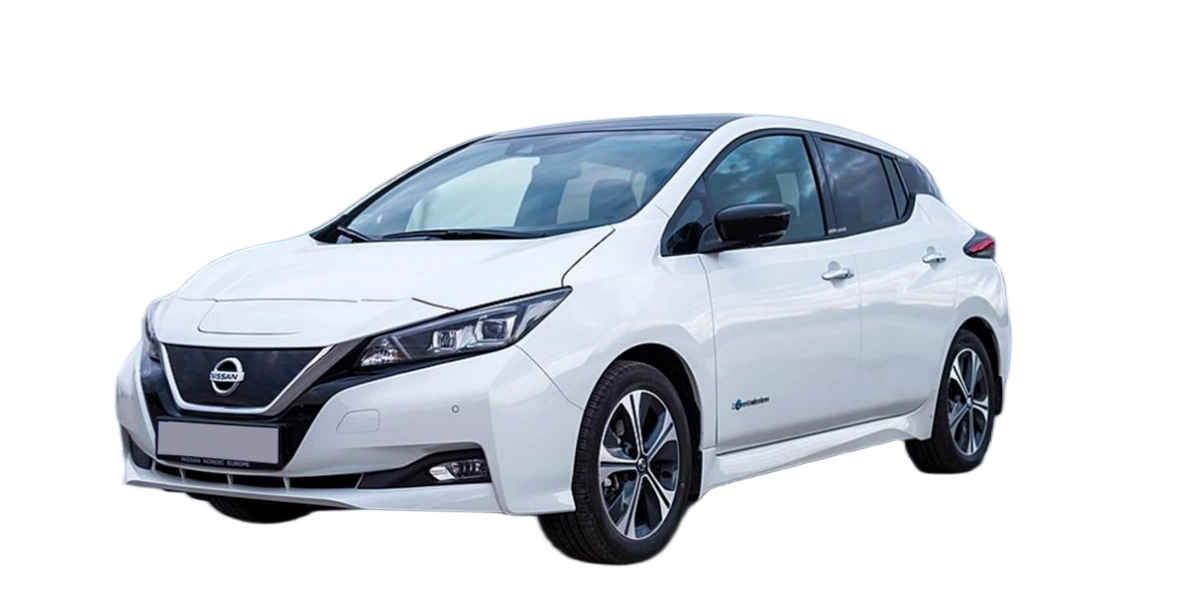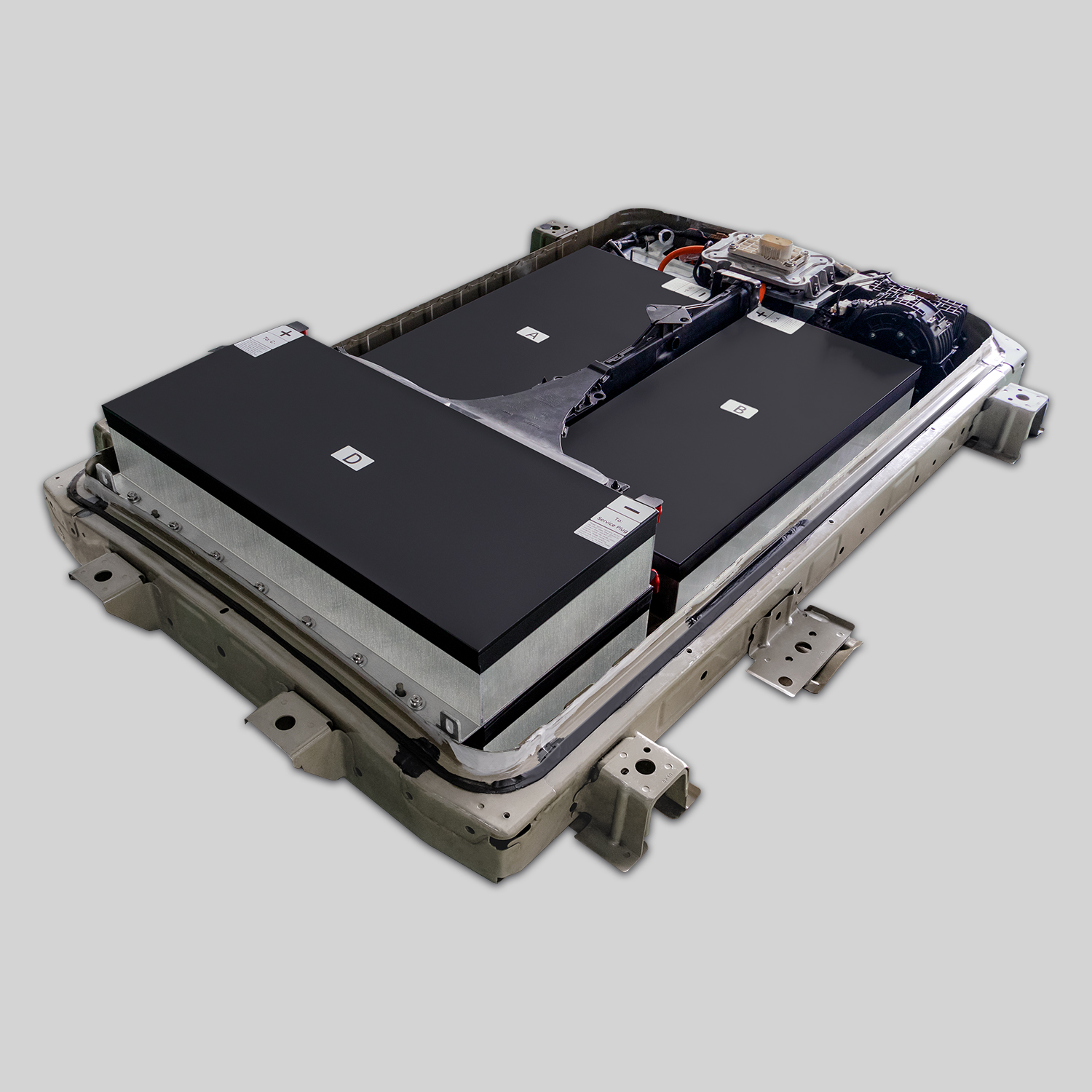
Top New Battery Replacements for Nissan Leaf Plus
If you own a Nissan Leaf Plus (specifically the 30 kWh model) and are facing the inevitable battery degradation that comes with time, you are likely searching for a solution that balances cost, performance, and reliability. Replacing the battery in an electric vehicle is a significant investment, and the decision can be overwhelming. You want to know: Is there a way to upgrade my range without paying the exorbitant dealer prices?
As an expert in EV powertrain solutions, I have analyzed the market extensively. The good news is that the answer is a resounding “Yes.” There are viable aftermarket options that offer brand-new technology at a fraction of the OEM cost. In this guide, we will explore the top contenders for the Nissan Leaf Plus, focusing on what truly matters: cell quality, warranty coverage, and value for money.
Why the Nissan Leaf Plus Needs a Battery Upgrade
The Nissan Leaf Plus (often referred to by its battery code, ZE1) was a game-changer when it launched, offering a 30 kWh battery that significantly boosted the range compared to its 24 kWh predecessor. However, lithium-ion batteries degrade over time. If your Leaf Plus is several years old, you might have noticed your range dropping from the original 100+ miles to a frustratingly short commute.
The factory replacement cost from Nissan can often exceed $10,000 to $16,000, making the car economically unviable to repair for many owners. This is where the aftermarket steps in. A high-quality aftermarket battery replacement can restore your vehicle to “like-new” condition—or even better—for approximately 50% less than the original manufacturer.
The Gold Standard: Brand-New CATL Cells
When evaluating a new battery replacement, the most critical factor is the quality of the lithium-ion cells inside the pack. Not all batteries are created equal.
Many budget replacements on the market use recycled or repurposed cells from other industries. These cells are often aged, have inconsistent chemistry, and can suffer from “memory effect” or rapid degradation. You might save money upfront, but you risk a battery that swells, fails, or loses capacity within months.
The top-tier solution utilizes brand-new, factory-fresh cells from CATL (Contemporary Amperex Technology Co. Limited). CATL is the world’s largest lithium battery manufacturer and a direct supplier to major OEMs. Using new CATL cells ensures:
- Maximum Safety: New cells have stable chemistry, reducing the risk of thermal runaway.
- Longer Lifespan: Brand-new cells have a full chemical lifecycle ahead of them, promising years of reliable service.
- Optimal Performance: You will achieve the full stated voltage and amperage, translating to the advertised driving range.
Key Features of a Premium Replacement
To help you navigate the options, I have compiled a comparison of what differentiates a “Top New Battery Replacement” from the rest of the market.
| Feature | Top Replacement (e.g., CNS BATTERY) | Budget/Refurbished Options | OEM Factory (Nissan) |
|---|---|---|---|
| Cell Source | Brand-new CATL cells | Recycled/Used cells | Factory Cells |
| Warranty | 2 Years / 80,000 km | Often None or 6 Months | 1-2 Years (Limited) |
| Cost | ~50% of OEM Price | Low upfront cost | Very Expensive |
| Performance | Stable, Full Range | Unpredictable, Risk of Swelling | Stable |
Warranty: Your Safety Net
One of the biggest fears when moving away from the dealer is the warranty. If the battery fails, you do not want to be stuck with a $0 paperweight.
The industry benchmark for a top-tier aftermarket battery is a 2-Year / 80,000 km warranty. This coverage should explicitly protect against defects in materials and workmanship. Some premium providers even offer prorated coverage for performance degradation, guaranteeing that the battery will retain at least 70% of its capacity over the warranty period.
This level of coverage is significantly better than the standard 6-month or 1-year warranties offered by most generic aftermarket sellers. It reflects the manufacturer’s confidence in using new, high-quality cells rather than salvaged parts.
Installation and Compatibility
A common misconception is that replacing an EV battery is a complex, dangerous task only for professionals. While safety is paramount, the process for the Nissan Leaf Plus is designed to be straightforward.
Top replacements are built to OEM specifications. This means the connectors, dimensions, and voltage outputs are an exact match for your vehicle. There is no need for modifications or “hacking” the car’s software. The installation is essentially a “plug-and-play” process.
For those considering a DIY approach, the average installation time is approximately 1-2 hours. You will need basic tools and safety gear (like insulated gloves), but the physical labor involves unbolting the old pack and lowering the new one in. Most reputable suppliers provide detailed video tutorials and PDF guides to walk you through every step, from disconnecting the high-voltage system to the final diagnostics check.
Real-World Value: Case Studies
To illustrate the impact of a high-quality replacement, let’s look at two real-world scenarios based on feedback from our network of mechanics and owners:
Case Study 1: The Long-Distance Commuter
- Vehicle: Nissan Leaf Plus ZE1 (2021)
- Problem: Original battery degraded to 180 km range, insufficient for daily 120 km commute.
- Solution: Replaced with a 62 kWh new CATL cell pack.
- Result: The range jumped back to 440 km. The owner reported that the charging speed matched the original specifications, and the car felt “revived.” The cost was roughly half of what the local Nissan dealer quoted.
Case Study 2: The Repair Shop Owner
- Vehicle: Used for shop fleet (2014 Leaf, but relevant for Plus owners)
- Problem: Previous budget battery failed after 6 months, causing downtime.
- Solution: Switched to a premium aftermarket brand with a 2-year warranty.
- Result: After 10 months of heavy use, the battery showed zero signs of degradation. The mechanic noted that the wiring harnesses were OEM-grade, preventing any connection issues.
Making the Decision
Choosing to replace your Nissan Leaf Plus battery is not just about fixing a car; it is about sustainability. By opting for a high-quality aftermarket solution, you are extending the life of your vehicle, reducing the need for new raw materials, and keeping a functional EV on the road.
When looking for your replacement, prioritize suppliers who are transparent about their cell sourcing (demanding CATL or equivalent), offer a warranty longer than 12 months, and provide clear installation support. Avoid the temptation of the cheapest option, as the risk of failure is simply not worth the savings.
Frequently Asked Questions
1. Is it safe to install an aftermarket battery in my Nissan Leaf Plus?
Yes, it is safe if you choose a reputable brand that uses brand-new, certified cells (such as CATL). These batteries are manufactured to OEM standards, ensuring the voltage, connectors, and safety systems (BMS) are compatible with your vehicle. Always follow the provided safety guidelines regarding high-voltage disconnection during installation.
2. How much does a new battery for a Nissan Leaf Plus cost?
The cost varies significantly. Original Nissan replacements typically range from $10,000 to $16,000. A premium aftermarket replacement using new cells generally costs about 50% less, often falling in the range of $7,000 to $8,500, depending on the capacity (kWh) you choose.
3. How long does the installation take?
For a professional mechanic, the installation usually takes 1 to 2 hours. This includes disconnecting the vehicle’s power, removing the old mounting brackets, installing the new battery, and running diagnostics. If you are a DIY enthusiast, it may take longer, especially if you are following video guides step-by-step for the first time.
4. What is the warranty on a new replacement battery?
Top aftermarket manufacturers offer a 2-Year / 80,000 km warranty. This covers defects in materials and workmanship. Some also provide prorated coverage for capacity loss, ensuring the battery maintains at least 70% of its original capacity during the warranty period.
5. Will a new battery affect my car’s original warranty?
If your Nissan Leaf Plus is still under the manufacturer’s warranty, installing an aftermarket part could potentially affect the powertrain coverage. However, for most Leaf Plus owners (vehicles from 2018-2022), the original warranty has likely expired. Before purchasing, you can provide your VIN to the supplier for a compatibility check to ensure there are no unforeseen electrical conflicts.
6. Can I install the battery myself?
Yes, many customers successfully perform DIY installations. Reputable suppliers provide comprehensive support, including:
- High-definition installation videos.
- Step-by-step PDF manuals.
- Real-time video call guidance from technical experts.
If you are not comfortable working with high-voltage systems, it is always recommended to hire a certified mechanic.
Ready to restore your Nissan Leaf Plus to its full potential? Get a free, no-obligation quote today and see how much you can save.