Title: Nissan Leaf Plus Power Battery Installation Guide vs. VIVNE: Expert Insights & Comparison
🛠️ Introduction: Upgrading Your EV Range
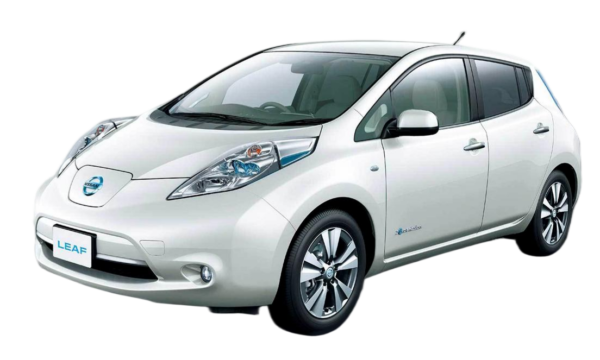
As a Nissan Leaf owner, you know that battery degradation is the silent killer of range and joy. When it comes time to upgrade, the market is flooded with options, but two names often stand out: the Nissan Leaf Plus Power Battery (specifically the 62kWh modules) and the VIVNE aftermarket solution.
As a senior technician at CNS BATTERY, I have seen firsthand the struggles of DIY enthusiasts trying to navigate complex wiring diagrams and compatibility issues. The goal of this guide is not just to list specs, but to walk you through the real-world installation process of a high-quality Leaf Plus upgrade and compare it objectively against the VIVNE standard.
We will focus on the Plug-and-Play (PnP) experience, BMS (Battery Management System) integration, and the critical safety checks that separate a successful upgrade from a costly mistake.
📦 Understanding the Nissan Leaf Plus 62kWh Power Battery
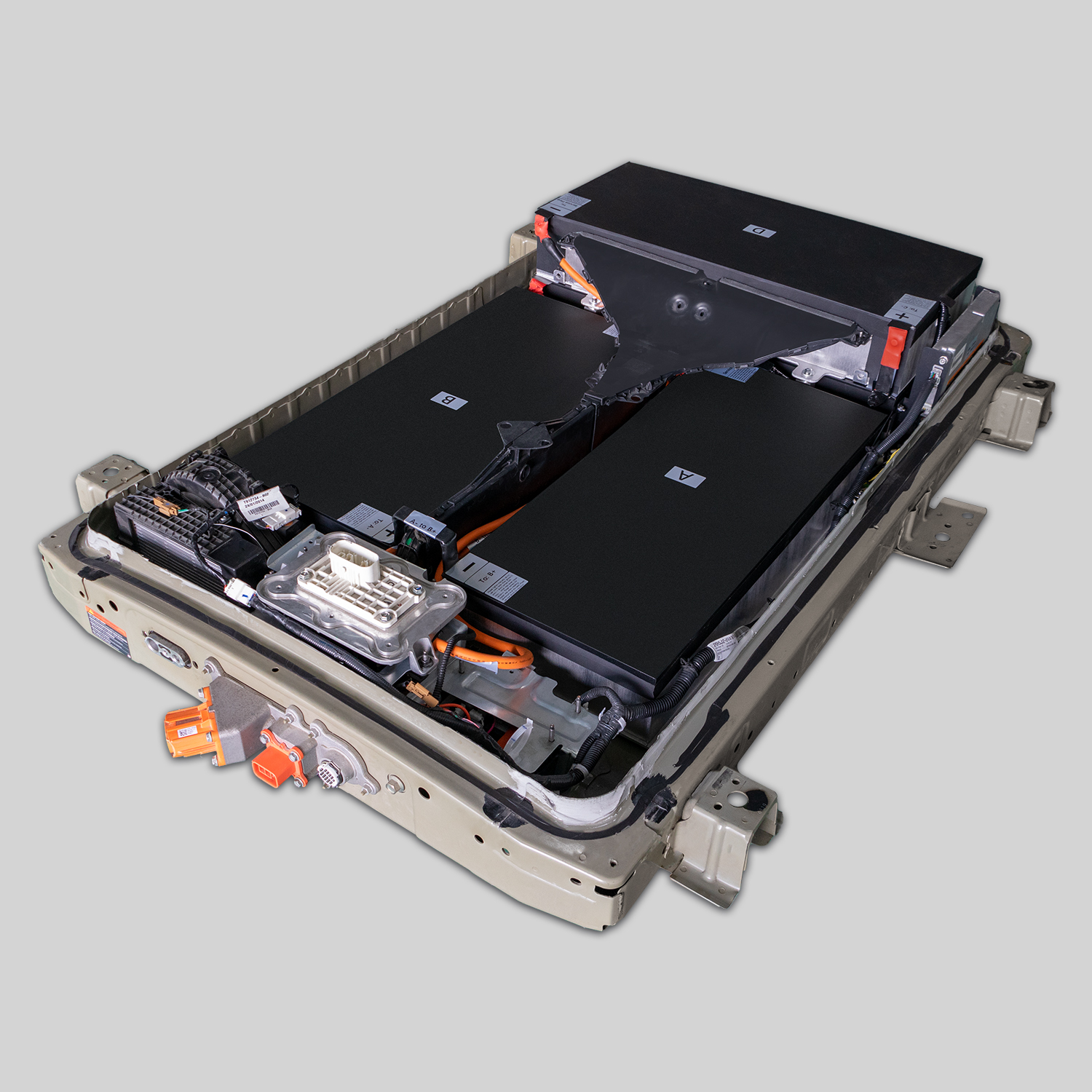
Before we dive into the tools, it is crucial to understand what the “Leaf Plus” power refers to. In the EV aftermarket, “Leaf Plus” typically means upgrading your older ZE0 or ZE1 model to use the 62kWh battery modules originally found in the 2018+ Nissan Leaf Plus (or e+).
This is not just about adding more cells; it is about upgrading the chemistry and capacity. A standard 40kWh Leaf has 192 cells, while the Plus upgrade utilizes 268 cells, significantly boosting your range from roughly 150km to over 400km.
The CNS BATTERY Advantage in Installation
At CNS, we specialize in OEM-compatible solutions. Unlike generic kits, our Nissan Leaf Plus Power Battery is designed with the original factory standards in mind. This means:
- Precise Fitment: No chassis modification is required.
- OEM Connectors: We use the exact same connectors as the Nissan factory, ensuring a true plug-and-play experience.
- Pre-Configured BMS: Our system comes pre-programmed, eliminating the need for complex coding during the initial install.
🛠️ Step-by-Step: Installing a Leaf Plus Power Battery
Installing a Leaf Plus battery is a significant project. While it is possible for a skilled DIYer, safety is paramount. Here is the professional workflow we recommend.
1. Safety First: Preparation
- Disconnect the 12V: Always start by disconnecting the negative terminal of the 12V auxiliary battery. Wait 15 minutes for the capacitors to discharge.
- PPE (Personal Protective Equipment): Wear insulated gloves and safety glasses. High voltage is dangerous.
2. Removal of the Old Pack
- Drain Coolant: If you have a ZE1 (2018-2023 model) with liquid cooling, you must drain the coolant before separating the modules.
- Lifting: The pack is heavy. Use a transmission jack with wood blocks to support the casing evenly.
3. The “Heart Transplant”: Installing the 62kWh Modules
This is where the Leaf Plus upgrade differs from a standard replacement.
- Module Layout: The 62kWh pack has a different internal configuration (13P20S vs the old 40kWh’s layout). You are not just swapping cells; you are installing a new powertrain brain.
- Wiring Harness: This is the most critical step. The harness must be routed exactly as per the OEM manual to avoid pinching or short circuits.
- Expert Tip: Do not force connectors. If it does not fit easily, double-check the orientation. Forcing it will damage the pins, leading to communication failure.
4. BMS and HV Cable Connection
- High Voltage (HV) Connection: Connect the HV cables last. Ensure the main contactor clicks are audible.
- 12V Reconnection: Reconnect the 12V battery. Turn the key to “ON” (do not start). Check if the BMS wakes up. You should see a voltage reading on a multimeter at the HV output.
5. Testing and Calibration
- First Boot: After installation, the car may throw error codes. This is normal. A full charge and discharge cycle usually allows the car’s ECU to re-learn the new pack’s capacity.
- Cooling System (For ZE1): Refill the coolant and bleed the system. Air bubbles in the cooling loop are the number one cause of overheating warnings post-install.
⚖️ Leaf Plus Power Battery vs. VIVNE: The Comparison
The term “VIVNE” often refers to a specific standard or clone of the Leaf battery pack found in the aftermarket. While both aim to solve the same problem, the devil is in the details.
| Feature | Nissan Leaf Plus Power Battery (CNS OEM Spec) | VIVNE Standard/Aftermarket |
|---|---|---|
| Cell Quality | Brand New CATL Cells (Grade A, zero cycle) | Often uses recycled or B-grade cells; quality varies |
| Installation Time | ~2 Hours (True Plug-and-Play with OEM connectors) | 3-5 Hours (Often requires manual wiring/crimping) |
| BMS Reliability | Factory-programmed; compatible with Nissan ECU | May require manual configuration; higher failure risk |
| Warranty | 2 Years / 80,000 km (Comprehensive coverage) | Typically 1 Year or less; limited support |
| Cooling System | Full liquid cooling compatibility (for ZE1) | Often passive air cooling; risks overheating |
Why the Difference Matters
When you choose a Leaf Plus Power Battery built to OEM standards (like those we provide at CNS), you are buying predictability. The VIVNE standard, while cheaper upfront, often cuts corners on the Battery Management System and cell sorting. In our experience, this leads to “range anxiety” returning within months due to poor cell balancing.
💡 Pro Tips for a Successful Upgrade
Based on thousands of successful installations we have supported, here are the top three things that trip people up:
- VIN Compatibility is King: Not all Leaf shells are the same. A ZE0 (2011-2017) shell is physically different from a ZE1 (2018-2023). You cannot install a ZE1-specific Plus pack into a ZE0 shell without modification. Always check your VIN compatibility before ordering.
- The Cooling Conundrum: If you live in a hot climate (like Texas, Dubai, or Australia), never install a 62kWh pack without liquid cooling. The VIVNE standard often lacks this, leading to thermal throttling. The Leaf Plus upgrade from CNS retains the liquid cooling loop for maximum performance.
- Software is the Glue: After installing the Leaf Plus Power Battery, your car’s dashboard might still read the old capacity. You need to ensure the BMS firmware matches your car’s year. Our team provides free firmware updates and technical support to bridge this gap.
📝 Conclusion: Making the Right Choice
Upgrading to a Nissan Leaf Plus Power Battery is one of the most cost-effective ways to revive your EV. It offers a range comparable to new models at a fraction of the price. While the VIVNE standard exists as a budget option, the risks of poor cell quality and complex installation often outweigh the savings.
At CNS BATTERY, we have spent over a decade refining this process. We understand that you want a battery that just works—safely, reliably, and without the headache of rewiring.
If you are ready to transform your Nissan Leaf into a long-range EV powerhouse, we are here to help.
Get Your Free Custom Quote for a Nissan Leaf Plus Battery Upgrade Now
❓ Frequently Asked Questions (FAQ)
1. How much does a Nissan Leaf Plus battery upgrade cost?
The price varies depending on the capacity (40kWh, 62kWh) and whether you need a full pack or just modules. Generally, a complete Leaf Plus (62kWh) upgrade costs significantly less than a dealership replacement—often saving you 50% or more. For an exact price tailored to your VIN, please use our contact form.
2. Can I install the Leaf Plus battery myself?
Yes, if you are a skilled DIYer with the right tools (transmission jack, torque wrench, PPE). The process is designed to be Plug-and-Play, meaning no cutting or soldering is required. However, due to the high voltage involved, we strongly recommend having a certified technician perform the installation to avoid voiding the warranty.
3. What is the range difference between the standard Leaf and the Leaf Plus upgrade?
Upgrading from a standard 40kWh pack to the Leaf Plus 62kWh power battery increases your real-world range from approximately 150km (93 miles) to about 430km (267 miles). This is a massive upgrade that makes the car viable for highway driving and long commutes again.
4. Is the Leaf Plus upgrade compatible with my 2013 Nissan Leaf?
The Leaf Plus (62kWh) modules are physically compatible with the ZE0 chassis (2011-2017), but it requires specific adapter brackets and harnesses. It is not a direct bolt-in like it is for the ZE1. We provide compatibility assessments to confirm if your specific year/model is suitable.
5. What kind of warranty do you offer on the Leaf Plus battery?
We stand by our quality. All CNS Leaf Plus Power Batteries come with a minimum 2-year or 80,000 km warranty (whichever comes first). This covers defects in materials and workmanship, as well as performance degradation, ensuring your battery maintains at least 70% capacity during the warranty period.