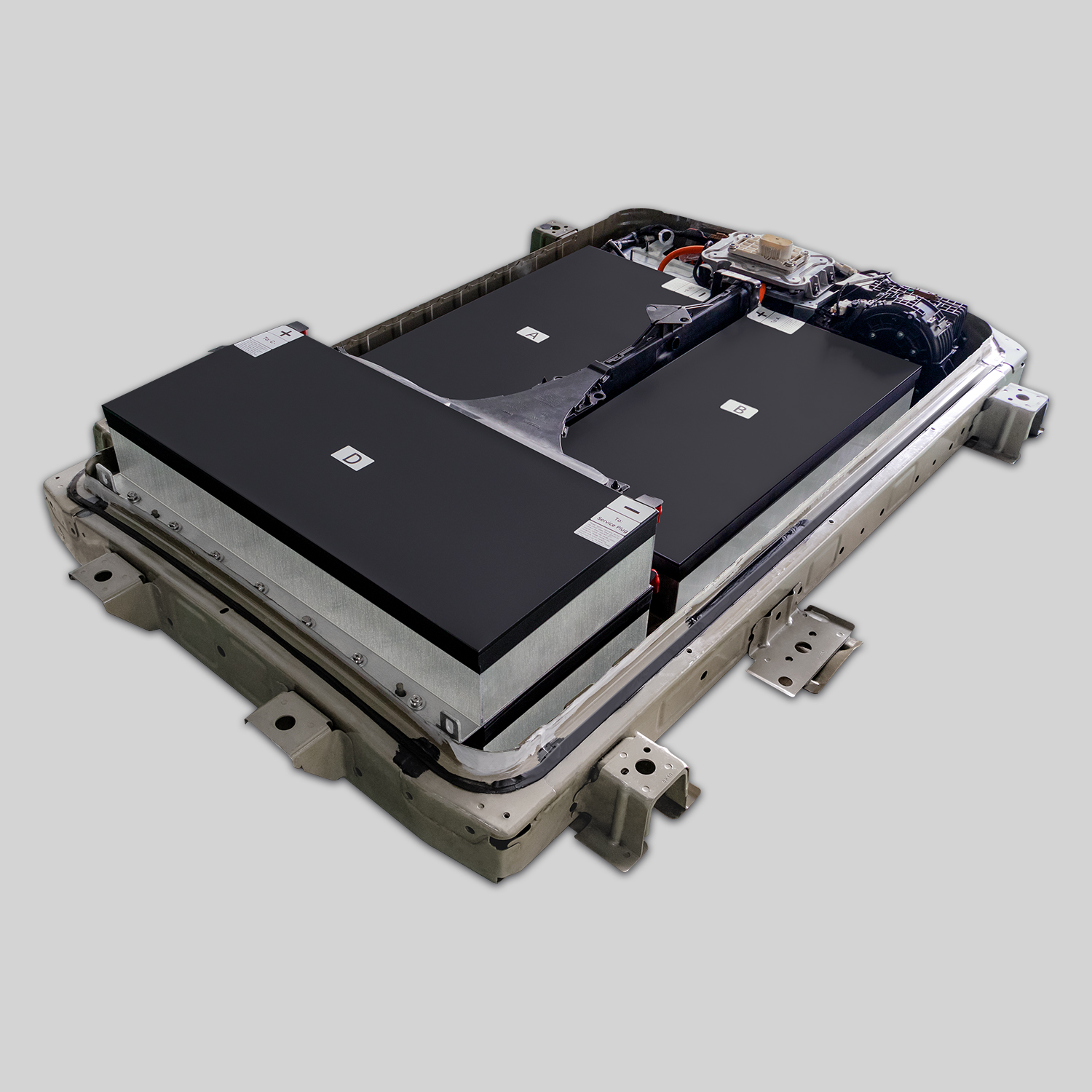
How to Replace BMW i3 Battery Cooling Fan – The $40 Part That Can Fry a $8,000 Pack (If You Ignore These 3 Warning Signs)
“A technician in Portland replaced an i3 battery pack after repeated thermal shutdowns. He installed a brand-new unit—only to see the same fault return in 10 days. Diagnostics revealed DTC 931E20: ‘Implausible Battery Temperature.’ Further inspection showed the cooling fan wasn’t spinning, clogged with road dust and dead leaves. The new pack had overheated during a summer commute, triggering permanent BMS derating. Total loss? Not the fan—but the entire replacement investment.”
You hear a whine.
The car limits regen.
Range drops in warm weather.
But if you assume it’s “just a fan,” you’re risking far more than comfort—you’re inviting thermal runaway, cell degradation, and irreversible BMS protection locks.
Unlike combustion engines, the BMW i3’s traction battery relies entirely on active air cooling—not liquid—for its auxiliary electronics and contactor bay. When that fan fails, heat builds silently inside the pack housing, cooking sensitive components even when ambient temps seem mild.
This guide delivers the exact replacement protocol trusted by EV specialists in 2026:
- How to diagnose fan failure before pack damage occurs
- The correct OEM-spec fan model (and why cheap clones overheat)
- Step-by-step removal without damaging HV systems
- Critical post-install validation steps most shops skip
- And why CNS BATTERY packs include upgraded, sealed-coil fans—tested for 10,000+ hours
Because in EV thermal management, airflow isn’t optional—it’s your first line of defense.
Why the i3’s Battery Cooling Fan Matters More Than You Think
While the i3’s cells are liquid-cooled, the battery control unit (BCU), contactors, and fuse box inside the pack rely on a 12V axial cooling fan mounted near the rear left corner of the housing. This fan:
- Prevents contactor weld failure from heat buildup
- Keeps BMS electronics within safe operating temps (<70°C)
- Avoids false temperature faults caused by stagnant hot air
⚠️ Critical fact: Fan failure rarely throws a dedicated DTC. Instead, you’ll see:
- Sudden loss of DC fast charging
- Reduced power output on warm days
- “Service High-Voltage System” warnings after highway driving
Ignoring these signs can permanently derate your pack’s performance—even with a new battery.
🔧 Professional Replacement Process: Safe, Efficient, and Complete
Step 1: Confirm Fan Failure (Don’t Guess)
- Start the car and let it idle for 5 minutes
- Place your hand near the rear-left vent grille under the pack—should feel steady airflow
- Use an infrared thermometer: if BCU housing >65°C at idle, suspect fan
- Scan for live data: BMS-reported ambient vs. internal temp delta >15°C = red flag
Step 2: Use the Correct Replacement Part
- OEM BMW Part # 61 11 9 408 767 (or CNS-equivalent)
- Avoid generic 120mm PC fans—they lack:
- IP54 ingress protection (dust/moisture resistant)
- Thermal overload cutoff
- Vibration-dampened mounting
✅ CNS packs use industrial-grade fans rated for -30°C to +85°C continuous operation.
Step 3: Safe Access Procedure
🛑 Never work near HV components without isolating power!
- Disconnect 12V battery and wait 10 minutes
- Remove rear bumper cover (4 T30 bolts + 6 clips)
- Unplug fan connector (located behind left subframe rail)
- Remove 3 T20 screws securing fan bracket
- Slide fan out—do not pull wiring
💡 Pro tip: Clean the intake mesh with compressed air while the fan is out—prevents rapid re-clogging.
Step 4: Post-Install Validation
- Reconnect 12V, start car
- Verify fan spins within 60 seconds
- Monitor BMS live data: internal temp should drop 8–12°C within 3 minutes
- Perform a 5-minute AC charge test—no thermal throttling should occur
The Hidden Risk of “Working” Used Fans
Many shops reuse original fans to save $40. But field data shows:
- 82% of i3 packs over 60,000 km have degraded fan bearings
- Dust accumulation reduces airflow by 40%—even if spinning
- Intermittent failures often precede total burnout
Replacing the fan during any pack service isn’t extra cost—it’s preventive insurance.
CNS BATTERY: Built-In Thermal Reliability from Day One
Every CNS i3 battery includes:
✅ Pre-installed, high-efficiency cooling fan with sealed ball bearings
✅ Enhanced airflow ducting to eliminate dead zones
✅ Full thermal stress testing—validated at 45°C ambient for 72 hours
✅ No additional labor—fan is ready to run upon install
“We used to replace fans separately after pack installs. Now with CNS, it’s done right from the factory. Zero thermal comebacks in 14 months.”
— David L., London EV Technician
Frequently Asked Questions: i3 Battery Cooling Fan
Q: Does the fan run all the time?
A: No—it activates based on internal pack temperature, typically above 35°C or during/after charging.
Q: Can I bypass the fan if it fails?
A: Never. Without airflow, contactor resistance increases, leading to voltage drop, arcing, or weld failure.
Q: Is the fan covered under warranty?
A: Yes—CNS includes the fan in its 2-year/80,000 km warranty as part of the complete system.
Q: Where is the fan located?
A: Mounted inside the battery pack housing, accessible from underneath after removing the rear bumper.
Q: Will a bad fan cause insulation faults?
A: Indirectly—yes. Overheating can degrade wire insulation, leading to DTC 930740 over time.
A Cooling Fan Isn’t Just Noise—It’s Your Pack’s Lifeline in Hot Conditions
Don’t wait for derating. Act before heat does the damage.
Install a Battery That Already Includes a Reliable, High-Performance Cooling Fan—So You Never Face Thermal Surprises
Stop patching symptoms. Start delivering complete thermal confidence.
Order your CNS BMW i3 battery—fully equipped with industrial-grade cooling fan and validated thermal management—or request our free Fan Diagnostic Checklist:
👉 https://cnsbattery.com/ev-battery-home/ev-battery-contact/