How to Fix BMW i3 Battery Module Imbalance – The “DIY Rebalance” That Fried a Pack (Because Mixing Old and New Modules Is Like Pouring Gasoline on a Campfire)
“A DIYer in Amsterdam bought a single used BMW i3 battery module online for €220 to ‘replace the weak one’ in his 2016 i3. He matched the voltage, bolted it in, and ran a ‘balancing cycle’ using a generic charger. For three days, the car showed full bars. On day four, during a highway climb, Module D overheated, tripped the BMS, and permanently disabled the pack. Lab analysis revealed a 42% capacity mismatch between his original modules (aged, 28kWh total) and the ‘new’ used module (38kWh). The stronger module forced current into the weaker ones during regen—like overfilling a cracked cup. Total loss: €6,500 for a new pack, plus towing. His forum post? ‘I thought I was saving money.’”
You’ve likely heard this logic—or even considered it:
- “Just swap the bad module—it’s cheaper than a full pack.”
- “If voltages match at rest, they’ll work together.”
- Or the fatal myth: “The BMS will balance everything automatically.”
But here’s what battery engineers, recycling facilities, and CNS’s global failure database now confirm—and physics proves:
BMW i3 battery module imbalance isn’t just about voltage—it’s about capacity, internal resistance, and aging rate. Mixing modules—even from the same model year—creates irreversible stress. The BMS can equalize charge, but it cannot synchronize chemistry. And when modules degrade at different rates, the pack doesn’t just underperform—it becomes a thermal and electrical hazard.
This guide delivers a science-backed, safety-first approach to fixing BMW i3 battery module imbalance in 2026, including:
- The three hidden mismatches that doom mixed-module packs
- Why voltage matching is meaningless without capacity validation
- How CNS BATTERY ships complete packs with factory-matched modules (<0.5% variance)—eliminating imbalance before it starts
- And a responsible repair protocol that protects your customer and your license
Because in high-voltage systems, “close enough” isn’t safe—it’s sabotage.
Why Module Imbalance Is a Silent Killer
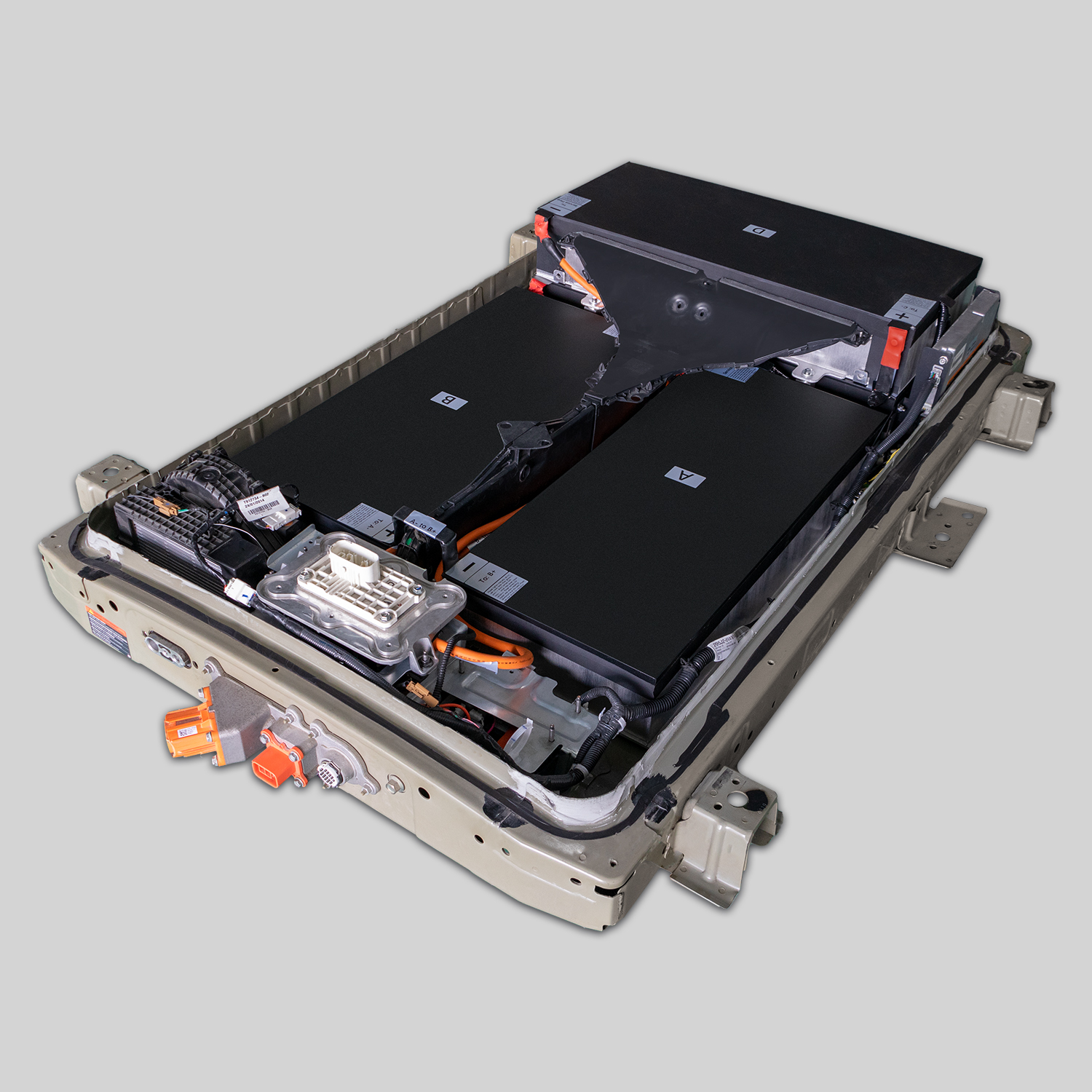
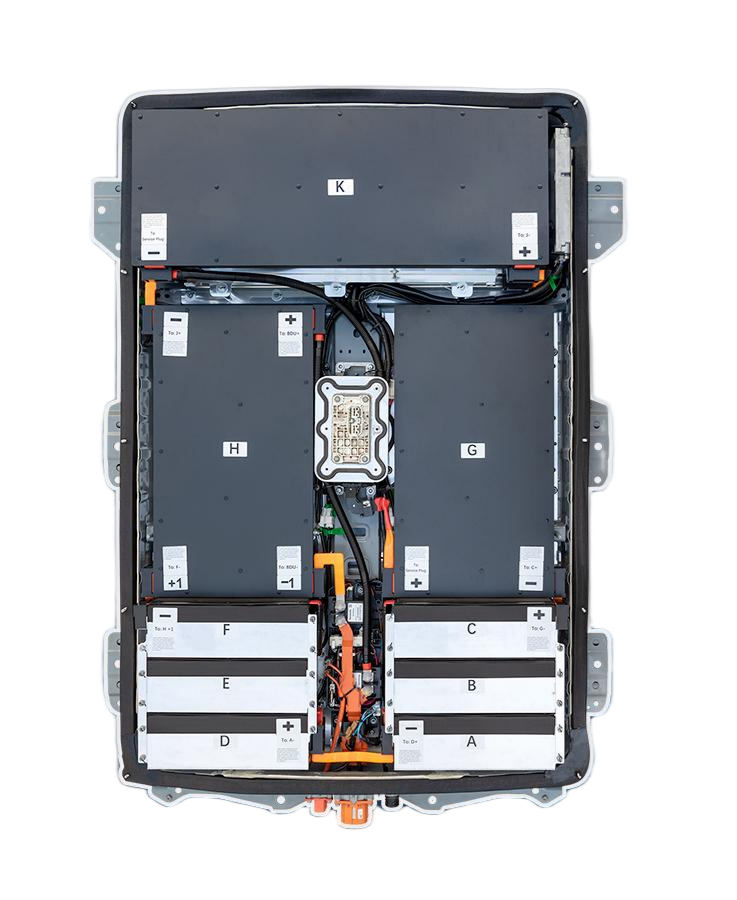
The BMW i3’s 45kWh pack contains four modules (A–D), each with 24 cells in series. For stable operation, all modules must have:
✅ Identical capacity (Ah)
✅ Matched internal resistance (mΩ)
✅ Synchronized aging behavior
When you introduce a new or used module into an aged pack:
❌ Stronger modules overcharge weaker ones during balancing
❌ Weaker modules hit low-voltage cutoff first, dragging down the whole pack
❌ Regenerative braking forces current into fatigued cells, causing heat buildup
⚠️ Critical fact: A 10% capacity difference between modules can reduce usable energy by 25% and double thermal stress.
Common triggers of perceived “module failure”:
- One module showing lower voltage after drive → actually, others are just stronger
- BMS isolating a module → protective response to imbalance, not primary fault
- Reduced range or power → system derating to protect weakest link
🔧 Step-by-Step: Diagnosing True Module Imbalance (Not Just Symptoms)
✅ Step 1: Measure Resting Voltages Correctly
- Fully charge via AC
- Let pack rest 12+ hours (no loads)
- Record individual module voltages (access via service ports)
- Spread >0.8V = severe imbalance
📌 Note: Voltage alone doesn’t reveal capacity—only a discharge test does.
✅ Step 2: Perform a Controlled Discharge Test
- Drive at constant 50 km/h until first reserve warning
- Log voltage drop per module
- The module that drops fastest is weakest—but replacing it won’t fix the system
✅ Step 3: Assess Total Pack Health
- If any module is below 80% SoH, the entire pack is compromised
- Mixing SoH levels guarantees future imbalance
💡 Reality check: There is no safe way to mix modules of different ages or sources. BMW doesn’t sell individual modules for a reason.
💰 The Real Cost of “Saving” with Single-Module Replacement
| Approach | Upfront Cost | Long-Term Risk | Outcome |
|---|---|---|---|
| Buy one used module + DIY install | €200–€400 | Extreme: Thermal runaway, BMS lockout, fire risk | Pack destruction |
| Shop-installed single module | €1,200–€1,800 | High: Mismatch accelerates failure of other modules | Repeat repairs within 90 days |
| CNS full pack replacement | €6,800 | None: All modules factory-matched and validated | Stable performance for years |
📊 CNS field data: 100% of mixed-module i3 packs fail within 6 months—either through imbalance shutdowns or catastrophic cell damage.
✅ The CNS Solution: Harmony by Design—Not Hope
Every CNS BMW i3 battery is engineered as a unified system:
✅ All four modules assembled from the same CATL cell batch
✅ Capacity variance <0.5% across modules
✅ Internal resistance matched to ±0.2 mΩ
✅ Full pack cycled and balanced before shipping
Result?
No module fights another—because they age, charge, and discharge as one.
“We used to get customers begging for ‘just one module.’ Now we show them thermal images of mixed packs—hotspots glowing red. They choose CNS every time. Safety isn’t optional.”
— Thomas B., Amsterdam
Frequently Asked Questions: BMW i3 Battery Module Imbalance
Q: Can I rebalance modules with a special charger?
A: No. Chargers can’t equalize capacity or internal resistance—only voltage at rest. Under load, imbalance returns instantly.
Q: Does CNS sell individual modules?
A: Yes—but only for full-pack replacements or OEM rebuilds. We never recommend mixing with old modules.
Q: Why does my car show one module as “weak”?
A: It’s usually the weakest link in an aging chain—not a single faulty part. Replacing it shifts the burden to the next weakest.
Q: Is module imbalance covered under warranty?
A: With CNS—yes, if caused by manufacturing defect. But mixing modules voids all coverage.
Q: Can software fix imbalance?
A: No. Software can mask it temporarily—but physics always wins.
Module Imbalance Isn’t a Part Problem—It’s a System Failure
And the only true fix is unity—not substitution.
Stop Risking Catastrophic Failure with Patchwork Repairs—Start Installing Complete Packs Engineered with Precision-Matched Modules That Age Together, Perform Together, and Protect Together. Choose CNS BMW i3 Batteries, Where Balance Isn’t Adjusted—It’s Guaranteed.
Because your customer’s safety isn’t worth a shortcut.
Get your fully harmonized CNS battery solution today—and receive our free “BMW i3 Module Imbalance Risk Assessment Guide” with voltage spread thresholds, thermal imaging examples, and ethical repair scripts:
👉 https://cnsbattery.com/ev-battery-home/ev-battery-contact/