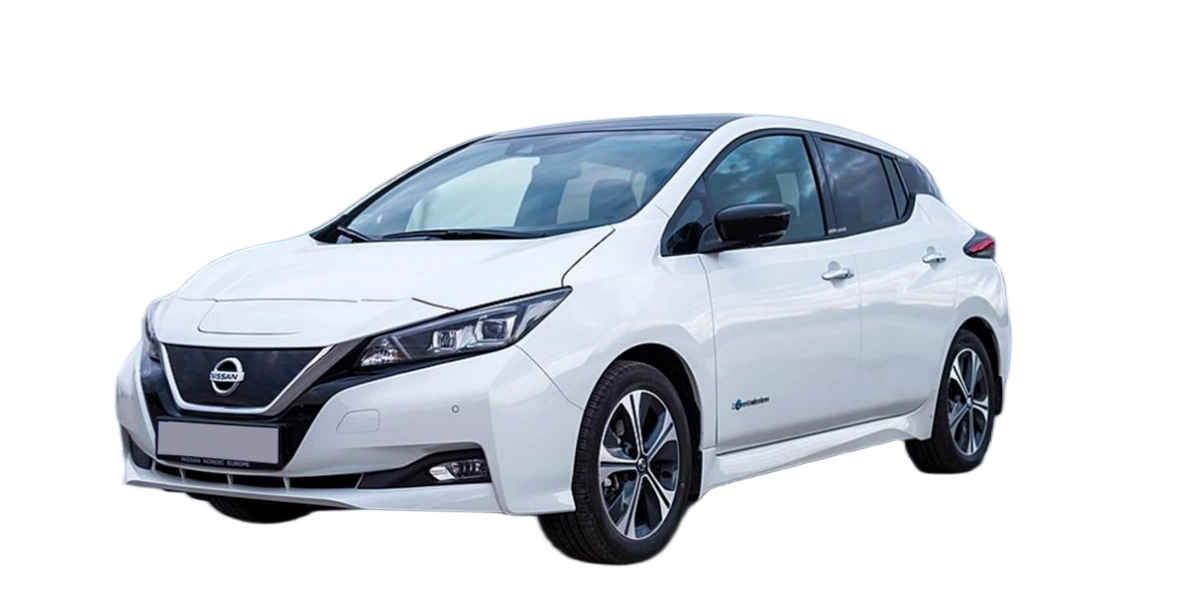
🛑 Save Your Nissan e-NV200 from “Turtle Mode”: The Ultimate Guide to Battery Longevity
If you drive a Nissan e-NV200, you know the dread of seeing that dreaded “Turtle Mode” icon appear on your dashboard. It signals a sudden, severe drop in performance and range, often leaving drivers stranded with a battery that refuses to hold a charge. This phenomenon is not just an inconvenience; it is a symptom of deep-seated battery degradation caused by factors ranging from extreme temperatures to internal cell imbalances.
As an expert in electric vehicle (EV) battery technology, I have analyzed the specific challenges facing the e-NV200. While the original equipment manufacturer (OEM) battery has served its purpose, many drivers are now seeking a permanent solution to this range anxiety. This guide will explain why “Turtle Mode” happens and how upgrading to a high-performance replacement battery can restore your van’s reliability.
🐢 Why Does “Turtle Mode” Happen?
“Turtle Mode” is Nissan’s safety protocol designed to protect the battery from catastrophic failure. When the battery management system (BMS) detects a critical issue—such as a cell voltage drop below a safe threshold, overheating, or a communication error—it restricts the vehicle’s power output. The turtle icon appears, and your van slows down significantly, allowing you to crawl to safety.
For the e-NV200, this is often caused by cell imbalance. As the battery ages, individual cells degrade at different rates. When one cell “lags” too far behind, the entire pack is limited by that weakest link. This is why your range might plummet from 170km to just 80km seemingly overnight.
🌡️ The Impact of Temperature on Your Battery
Temperature is the silent killer of lithium-ion batteries. The e-NV200’s battery pack is particularly sensitive to thermal stress.
- Heat: Operating or storing your van in high temperatures accelerates chemical reactions inside the cells, leading to faster degradation and increased internal resistance.
- Cold: Freezing temperatures can cause lithium plating, a physical defect that permanently damages the anode.
If you live in a region with harsh summers or freezing winters, your battery is working overtime. To mitigate this, avoid charging immediately after a long drive in hot weather; let the battery cool down first. Conversely, in winter, try to park in a garage or use a thermal cover if possible.
🔋 Charging Habits: The 20%-80% Rule
One of the most effective ways to extend your battery life is by managing your State of Charge (SoC).
Lithium-ion batteries experience the most stress at the extreme ends of their charge cycle: 0% and 100%. To maximize longevity, I strongly recommend adopting the 20%-80% charging rule.
- Avoid the “Top Off”: Resist the urge to charge to 100% unless you are planning a long trip.
- Don’t Run on Empty: Try not to let the battery drop below 20% regularly.
- Scheduled Charging: If your van supports it, use scheduled charging to keep the battery within this “sweet spot” when parked for extended periods.
This habit reduces the mechanical stress on the electrodes, significantly slowing down the degradation process that leads to “Turtle Mode.”
🔋 The Solution: Upgrading to a New Generation Battery
While these tips can slow down degradation, they cannot reverse the damage done to an aging battery pack. If you are already experiencing “Turtle Mode,” the most cost-effective solution is often a complete battery replacement.
This is where upgrading to a modern, high-quality replacement battery becomes essential. Unlike refurbished OEM packs that might still contain degraded cells, a brand-new replacement solution is built from the ground up for reliability.
✅ Why Choose a Modern Replacement?
Modern replacement batteries, such as those designed for the Nissan e-NV200, offer significant advantages over the original 2010s-era technology:
- New Generation Cells: Utilizing brand-new cells from top-tier manufacturers like CATL ensures higher energy density and better thermal stability compared to the original pack.
- Advanced BMS: Modern Battery Management Systems are far more sophisticated, actively balancing cells to prevent the “weak link” scenario that triggers “Turtle Mode.”
- Cost Efficiency: Replacing your battery with a specialized aftermarket solution can cost up to 50% less than purchasing a new OEM battery directly from Nissan.
⚖️ Comparison: Old vs. New
| Feature | Original/Old Battery | Modern Replacement (e.g., CNS BATTERY) |
|---|---|---|
| Cell Quality | Aged, degraded cells | Brand new, premium-grade cells |
| Warranty | Often expired or limited | 24-month / 80,000km warranty |
| Performance | Prone to “Turtle Mode” | Stable voltage, no sudden drops |
| Cost | Very High | Approx. 50% of OEM price |
🛠️ Installation and Maintenance
Replacing the battery pack is a significant operation, but it is a one-time investment in your van’s future. When installing a new battery, ensure that the connections are clean and tight to prevent resistance heating.
Once installed, maintaining your new battery is simple. Stick to the 20%-80% rule mentioned earlier, and utilize the lifetime technical support often offered by reputable manufacturers. This ensures that if you ever see a warning light, you have an expert team to guide you through diagnostics immediately, preventing minor issues from becoming major failures.
📝 Conclusion
Don’t let “Turtle Mode” dictate your driving schedule. By understanding the causes of battery degradation and adopting smarter charging habits, you can protect your investment. However, if your current battery is already failing, upgrading to a new, high-performance replacement is the smartest path forward.
A new battery pack restores your e-NV200 to its former glory, offering the range and reliability you need for daily commutes or long hauls without the fear of sudden shutdowns.
Ready to get your Nissan e-NV200 back on the road with a full charge? Get a Free Custom Quote for your e-NV200 Battery today and speak to our technical experts.
❓ Frequently Asked Questions
Q: Can “Turtle Mode” be reset without replacing the battery?
A: Sometimes, “Turtle Mode” can be triggered by a temporary sensor error or a deep discharge. You can try a “battery reset” by turning the car off, removing the key, and waiting 15 minutes. However, if the mode returns immediately upon driving, it indicates a hardware failure in the cells, and a replacement is necessary.
Q: How long does a new replacement battery last?
A: With proper care and modern cell technology, a new replacement battery can last significantly longer than the original pack. Many modern replacements are rated for over 3000 charge cycles and come with a 2-year / 80,000km warranty, ensuring long-term peace of mind.
Q: Is it safe to install a non-OEM battery?
A: Yes, it is safe as long as the battery is manufactured to OEM standards and uses high-quality, certified cells (like those from CATL). Reputable manufacturers ensure the battery matches the original voltage, dimensions, and communication protocols, making it a seamless and safe replacement.