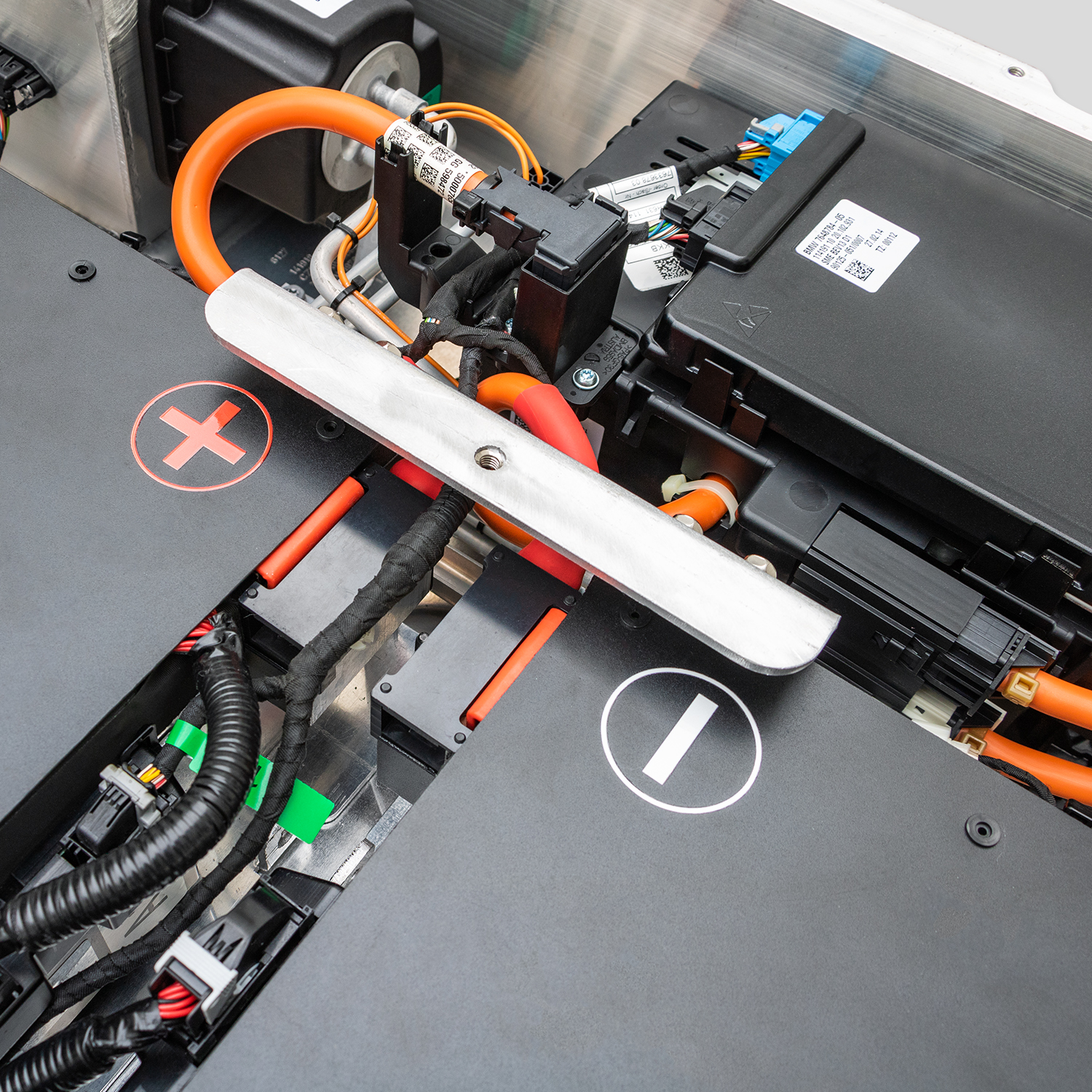
🚀 Is a Leaf AZE0 68kWh Installation Worth It? (2026 Review)
Is your Nissan Leaf AZE0 struggling to keep up with your daily commute? As we navigate through 2026, the landscape for electric vehicle ownership has shifted dramatically. For owners of the Leaf AZE0 (specifically the 2018-2022 models), the battery degradation clock is ticking, and the choice between a costly OEM replacement and a high-performance aftermarket solution is critical.
If you are asking yourself, “Is upgrading my Leaf AZE0 to a 68kWh battery worth the investment in 2026?”, the short answer is a resounding yes—but only if you choose a solution that prioritizes new cell technology and safety over refurbished junk.
This review dives deep into the 2026 value proposition of the Leaf AZE0 68kWh upgrade, analyzing range, cost savings, and long-term reliability.
⚡ Why the Leaf AZE0 Needs a 68kWh Upgrade in 2026
The Nissan Leaf AZE0 was a pioneer, but time is not kind to lithium-ion batteries. By 2026, most AZE0 Leafs on the road have batteries that are 4-8 years old. The standard 40kWh or 62kWh packs are likely showing signs of significant degradation.
The Problem: The original 62kWh pack, while decent in its prime, now offers a “real-world” range that feels restrictive for highway driving or winter conditions.
The Solution: The 68kWh upgrade is not just about adding capacity; it is about future-proofing your vehicle. This specific configuration, utilizing new CATL battery cells, offers a substantial leap in energy density and thermal management compared to the original modules.
📊 Performance Breakdown: 62kWh vs. 68kWh
To determine if the upgrade is worth it, let us look at the hard numbers. A 68kWh pack represents a significant engineering improvement over the stock option.
| Feature | Standard 62kWh (OEM) | Upgraded 68kWh (2026 Standard) |
|---|---|---|
| Real-World Range | Approx. 200-220 km | Approx. 270-290 km |
| Cell Technology | Older LGC/NMC Chemistry | New CATL NMC Cells |
| Cold Weather Loss | High (Up to 30%) | Moderate (Improved BMS) |
| Longevity | 8-10 Years (Typical) | 10-12+ Years (Projected) |
| 2026 Market Value | Diminishing Support | High Compatibility |
The 68kWh upgrade effectively bridges the gap between the older Leaf generations and modern EV range expectations. It is the “Goldilocks” zone for AZE0 owners who do not want to pay new-car prices but demand reliability.
💰 The 2026 Cost-Benefit Analysis
In 2026, the economics of car ownership are tighter than ever. Let us break down the financial logic behind choosing a 68kWh replacement.
1. The “Half-Price” Rule
Purchasing a brand-new battery from a Nissan dealership in 2026 can cost upwards of $15,000 to $18,000 USD. For the Leaf AZE0 owner, this math rarely makes sense. A professionally engineered 68kWh replacement from a reputable manufacturer like CNS BATTERY costs roughly 50% less than OEM.
2. Resale Value Boost
Installing a 68kWh pack does more than just fix your car; it increases the vehicle’s resale value. A Leaf AZE0 with a brand-new 68kWh heart is suddenly a viable option for first-time EV buyers or fleet managers looking for affordable, long-range transportation.
3. Avoiding the “Refurbished Trap”
Many shops in 2026 are selling “upgraded” batteries made from used or refurbished cells. While the price might be tempting, the risk is high. Swollen cells, sudden death, and fire hazards are real risks with recycled modules. A 68kWh pack built with brand-new cells eliminates this risk, offering peace of mind that a cheap refurb cannot match.
🛠️ Installation: Is it Plug-and-Play?
One of the biggest concerns for AZE0 owners is the complexity of installation. The good news is that the 2026 standard for the Leaf AZE0 68kWh upgrade has evolved to be incredibly user-friendly.
- OEM Compatibility: The chassis dimensions of the 68kWh pack are designed to be a direct drop-in for the AZE0 chassis.
- Software Integration: Modern 2026 replacement packs come with pre-programmed BMS (Battery Management Systems) that communicate seamlessly with the Leaf’s dashboard. There is no need for complex “hacking” or third-party dongles in most cases.
- Time Investment: For a professional mechanic, the swap takes approximately 1-2 hours. It is a straightforward lift, unbolt, and reconnect process.
🛡️ Why Safety is Non-Negotiable in 2026
As an industry expert, I cannot stress this enough: not all 68kWh batteries are created equal.
In 2026, the market is flooded with low-quality knockoffs. When evaluating a Leaf AZE0 68kWh installation, you must look for:
- New Cell Provenance: Does the manufacturer use cells from a Tier-1 supplier like CATL?
- Warranty Depth: Does the warranty cover just the hardware, or does it include capacity retention?
- Certifications: Look for UN38.3 testing and MSDS documentation, which prove the battery meets international safety standards for transportation and use.
📝 Final Verdict: Is it Worth It?
Yes, a Leaf AZE0 68kWh installation is absolutely worth it in 2026.
If you value your time, safety, and long-term savings, upgrading to a 68kWh pack with brand-new cells is the smartest financial decision you can make for your Leaf. It transforms a depreciating asset into a reliable, long-range commuter that can easily last another 5-8 years.
Do not settle for a patchwork solution. Invest in a complete, factory-standard rebuild that offers the range and safety you deserve.
❓ Frequently Asked Questions (FAQ)
Q1: Will a 68kWh battery fit my specific Leaf model (AZE0)?
Yes, the 68kWh upgrade is specifically engineered for the Nissan Leaf AZE0 (2018-2022) body shell. It is a direct physical replacement. However, it is always recommended to verify compatibility using your VIN before purchasing to ensure the connectors and software match your specific year.
Q2: How long does the 68kWh battery last on a single charge in real-world conditions?
While Nissan advertised theoretical ranges, real-world driving in 2026 shows the 68kWh pack delivers approximately 270km. This accounts for highway driving, climate control usage, and varying weather conditions. This is a massive improvement over the original 40kWh or degraded 62kWh packs.
Q3: Is the installation difficult? Do I need special tools?
The installation is considered moderate for a professional mechanic and takes about 1-2 hours. For DIY enthusiasts, it requires basic automotive tools (wrenches, screwdrivers) and a lift. Most reputable manufacturers, like CNS BATTERY, provide step-by-step video tutorials and remote video guidance to assist with the process, making it accessible for those with mechanical aptitude.
Q4: What kind of warranty should I expect with a 2026 68kWh battery?
Given the investment, you should expect a robust warranty. A standard industry benchmark in 2026 is a 2-year / 80,000km warranty. This warranty should cover manufacturing defects and guarantee that the battery retains at least 70% of its capacity during that period. Anything less than 2 years should be considered a red flag.
Q5: How much does a 68kWh replacement cost compared to a new car?
This is the core of the value proposition. A complete 68kWh replacement typically costs less than half of what a Nissan dealership charges for an OEM replacement. When compared to the price of a new electric vehicle, the upgrade cost is a fraction, allowing you to retain a paid-off vehicle while gaining modern range capabilities.
Ready to revive your Nissan Leaf? Get a free, no-obligation quote for your Leaf AZE0 68kWh upgrade today and see how much you can save.