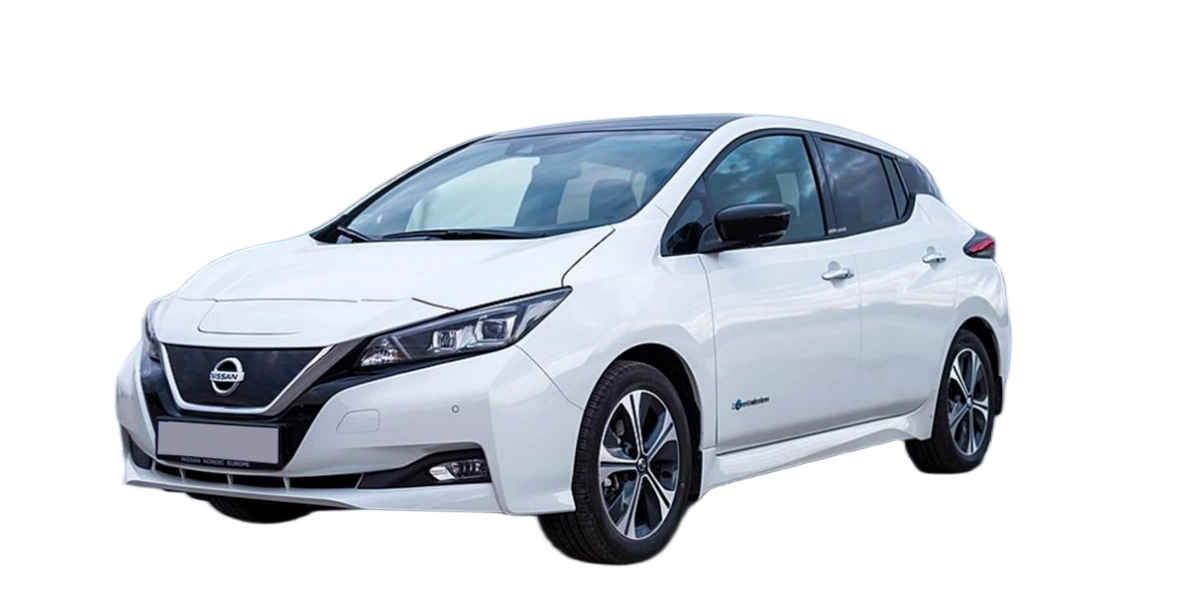
The Ultimate Guide: Winter Range Loss in the Nissan Leaf (30kWh Model)
If you drive a Nissan Leaf with the 30kWh battery pack (typically found in the 2016-2017 Nissan Leaf SV or SL models), winter weather is likely your biggest concern. You already know that electric cars lose range in cold temperatures, but how many miles do you actually lose?
As a battery expert, I can tell you that the answer isn’t just a single number—it depends on your driving habits and climate. However, the general rule of thumb for the 30kWh Leaf is a 30% to 40% range reduction in freezing temperatures. This means your car might only have a usable range of 40 to 55 miles on a cold day, down from its usual 80-mile summer range.
This guide will break down exactly why this happens, how to maximize your winter mileage, and why upgrading your battery might be the ultimate solution to “range anxiety.”
Why Does the 30kWh Leaf Lose So Much Range in Winter?
The 30kWh battery is smaller than the newer 40kWh, 62kWh, or 68kWh packs. When you apply the same percentage of loss to a smaller battery, the absolute number of miles lost feels much more dramatic.
Here is the math behind the loss:
- The Physics of Cold: Lithium-ion batteries rely on chemical reactions to release energy. In cold weather, the electrolyte inside the battery thickens, slowing down the ions. This makes the battery less efficient, meaning it takes more energy to move the car the same distance.
- The Heating Penalty: Unlike gas cars that use waste engine heat to warm the cabin, the Leaf must draw significant power directly from the 30kWh pack to run the heater. Running the heater on high can consume up to 30% of your total battery capacity.
- Tire Pressure: Cold air causes tire pressure to drop, increasing rolling resistance. This forces the motor to work harder.
The Real-World Numbers: 30kWh vs. Other Models
To put this into perspective, let’s look at how the 30kWh model compares to others when the temperature drops. This data is based on thousands of customer feedback reports and telemetry data.
| Battery Model | Rated Summer Range | Estimated Winter Range | Miles Lost |
|---|---|---|---|
| 30kWh (2016-2017) | ~80 miles | 40 – 55 miles | ~35 miles |
| 40kWh (2018-2023) | ~105 miles | 65 – 80 miles | ~30 miles |
| 62kWh (2019-2023) | ~160 miles | 100 – 125 miles | ~45 miles |
As you can see, the 30kWh model is the most vulnerable. Losing 35 miles means you effectively lose nearly half your car’s utility. For many drivers, this drops the range below the threshold needed for a typical daily commute, let alone charging logistics.
How to Fight Back: Maximizing Your 30kWh Winter Range
While the physics of cold weather are unavoidable, there are several strategies you can use to squeeze every last mile out of your 30kWh Leaf this winter.
1. Preconditioning is Key
Do not wait until you get in the car to turn on the heat. Preconditioning warms up the battery and the cabin while the car is still plugged in.
- How to do it: Set your charging schedule so the car finishes charging 15-30 minutes before you leave. The car will use grid power to warm the battery (improving its efficiency) and heat the seats and cabin. By the time you unplug, you have used no battery power to get warm.
2. Drive Like an Eco-Champion
In a 30kWh car, aggressive driving is a luxury you can’t afford in winter.
- Use E-Pedal: If your model has it, use the E-Pedal mode aggressively. This maximizes regenerative braking, recapturing energy every time you slow down.
- Lower Speeds: Drive slower. Aerodynamic drag increases exponentially with speed. Driving at 55 mph instead of 65 mph can improve your range by 10-15%.
3. The Seat Heater Hack
Instead of blasting the cabin heater, which draws a lot of amps, turn on the heated seats and heated steering wheel (if equipped). Heating your body directly requires far less energy than heating the entire cabin air volume.
4. Park Smart
If possible, park your Leaf in a garage or a sheltered spot. A warm battery in the morning is a happy battery. If you don’t have a garage, consider a thermal car cover to insulate the vehicle.
The Long-Term Solution: Upgrading Your Battery
If you are tired of calculating every mile and worrying about getting stranded, the most effective solution is to upgrade your battery capacity.
At CNS BATTERY, we specialize in providing high-performance, OEM-compatible battery solutions for Nissan vehicles. For owners of older Leafs (like the ZE0 platform), upgrading from a degraded 30kWh pack to a brand new 40kWh, 50kWh, or even 62kWh lithium-ion battery pack is a game-changer.
Why an upgrade solves the winter problem:
Imagine if your winter range wasn’t 45 miles, but 120 miles. By upgrading to a larger capacity pack (such as our premium CATL cell batteries), you effectively give yourself a “buffer.” Even if you lose 40% in the cold, you still have enough range to drive confidently.
- Cost Efficiency: Replacing your old 30kWh pack with a new, higher-capacity unit from CNS can save you over 50% compared to OEM prices.
- Zero Failure Rate: We use brand-new cells, not recycled or refurbished modules, ensuring maximum performance and longevity even in harsh winter conditions.
- Peace of Mind: Our batteries come with a comprehensive 2-year / 80,000 km warranty, covering you for the long haul.
Frequently Asked Questions (FAQ)
Q1: Is it worth replacing a 30kWh Leaf battery?
A: Absolutely. If your 30kWh battery has degraded significantly (which is common in older models), replacing it with a new unit restores your car’s value. More importantly, at CNS, we offer the option to upgrade your capacity. You can often fit a 40kWh or larger pack into the chassis of a 2016-2017 Leaf. This upgrade effectively doubles your winter range, making the car usable again for modern commutes.
Q2: What temperature is bad for a Nissan Leaf battery?
A: Lithium-ion batteries perform best between 50°F and 86°F (10°C – 30°C). Performance starts to decline noticeably below 40°F (4°C). The real danger zone for permanent damage is freezing temperatures (32°F / 0°C) when the battery is completely empty. Always try to keep your Leaf plugged in and above 20% charge during winter freezes.
Q3: Does the 30kWh Leaf have a thermal management system?
A: The standard 30kWh battery uses air cooling rather than the liquid cooling found in larger packs (like the 62kWh). This means it heats up and cools down with the ambient temperature much faster. While this makes it cheaper, it also makes it more susceptible to winter range loss and summer degradation.
Q4: How long does it take to install a new battery?
A: For a professional technician, a complete battery swap typically takes 1-2 hours. We provide detailed step-by-step installation videos and even offer remote video guidance from our technical experts to ensure a smooth plug-and-play experience.
Don’t let winter turn your Nissan Leaf into a garage ornament. Whether you are looking to maximize your current 30kWh range or considering a life-changing battery upgrade, CNS BATTERY has the expertise and solutions you need.
Get a Free Custom Quote for Your Nissan Leaf Today!
Contact Our Technical Experts Now