The Impact of Heatwaves on Your Nissan Leaf ZE1 68kWh Range (And How to Fix It)
Summer has officially arrived, and with it comes the scorching heat that tests the limits of our daily commutes. If you are driving a Nissan Leaf ZE1 equipped with a 68kWh battery pack, you might have noticed a significant drop in your driving range during these intense heatwaves. It is not just your imagination; high temperatures can be brutal on lithium-ion batteries.
As an expert in automotive power batteries, I have seen firsthand how thermal stress affects vehicle performance. This guide will explain why your range shrinks in the heat and, more importantly, provide actionable solutions to maximize your mileage and protect your investment.
Why Does Heat Shrink Your Leaf ZE1’s Range?
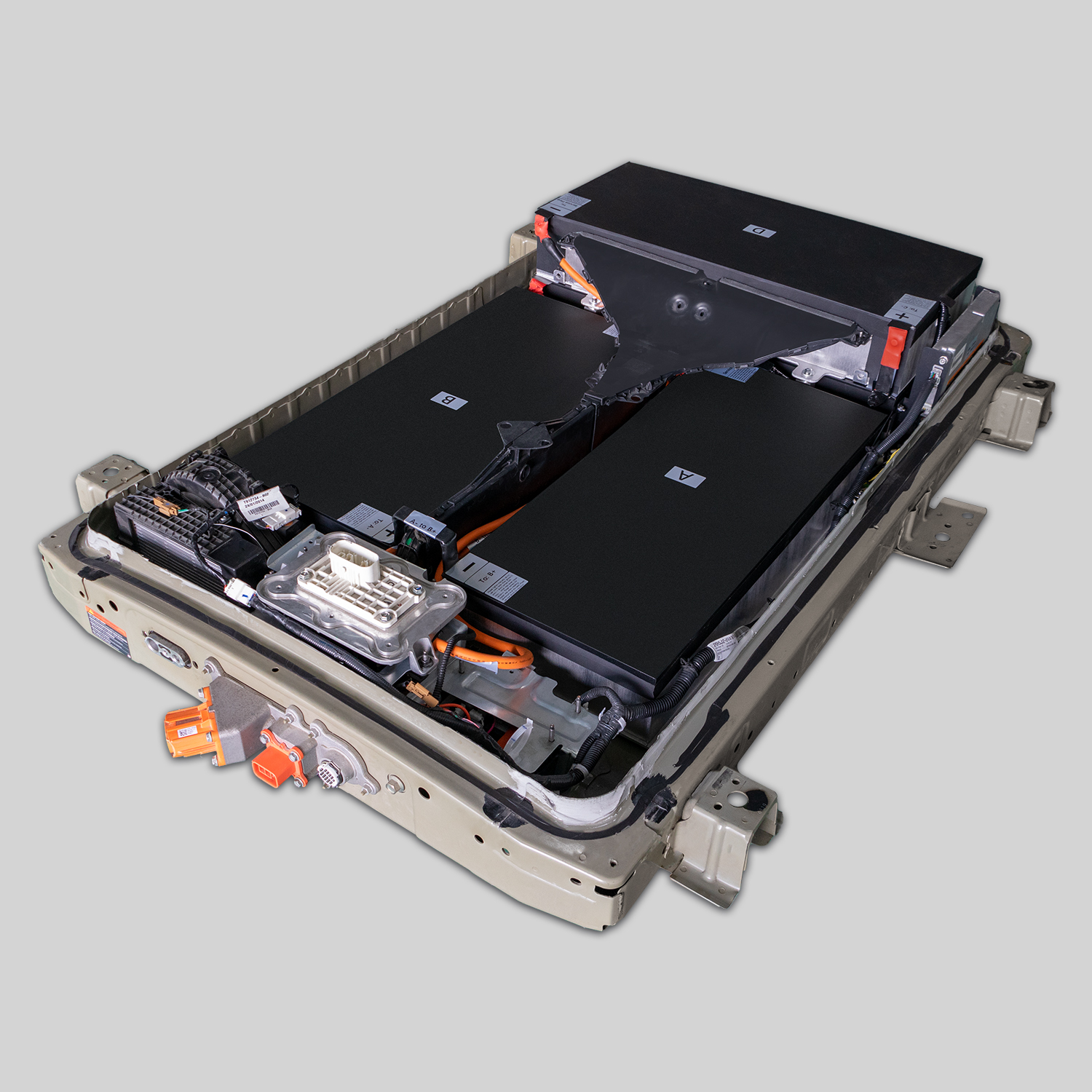
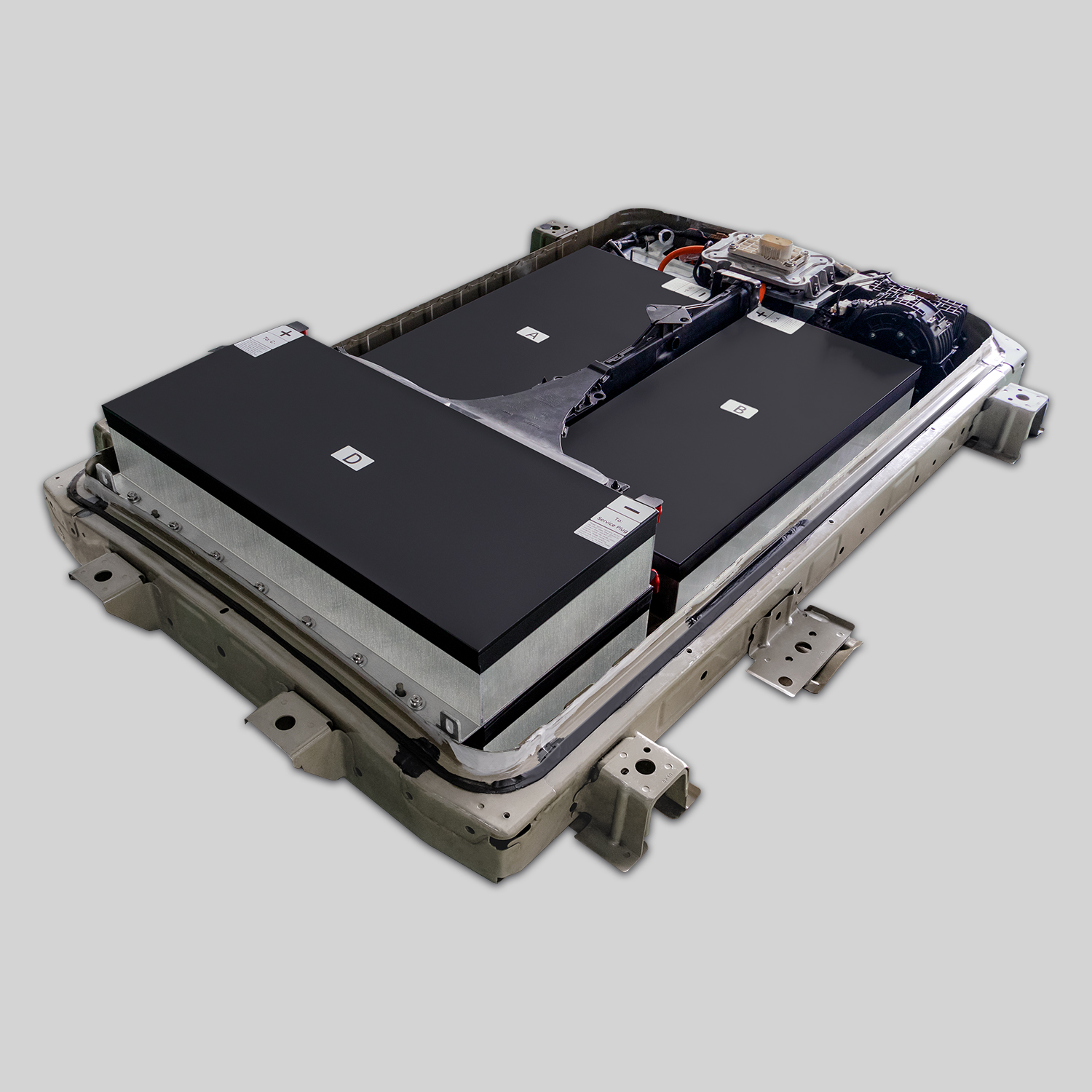
The Nissan Leaf ZE1 68kWh model relies on advanced lithium-ion chemistry, which is highly sensitive to ambient temperature. When a heatwave hits, several physical and chemical processes within the battery are disrupted.
1. The Chemistry of Heat
Lithium-ion batteries operate best within a specific temperature window (usually 15°C to 35°C). When external temperatures soar above 35°C, the internal resistance of the battery cells increases. This means that while you are drawing power to move the car, a significant portion of the energy is wasted as heat due to this resistance, rather than being converted into kinetic energy. This inefficiency directly translates to fewer kilometers per charge.
2. The Hidden Energy Thief: Cabin Cooling
The most obvious reason for range loss is the air conditioning (AC). Running the AC compressor is the second largest drain on an EV’s battery, right after propulsion. In a heatwave, maintaining a comfortable cabin temperature requires the compressor to run at maximum capacity constantly. For the Leaf ZE1, this can reduce your effective range by 15% to 30%.
3. Battery Management System (BMS) Intervention
To protect the battery from permanent damage, the BMS is programmed to intervene when temperatures get too high. The system may limit the charging speed to prevent thermal runaway and may restrict the power output to the motor. While this keeps you safe, it also makes the car feel sluggish and less efficient.
The Reality Check: Real-World Data
To give you a clearer picture, let us look at how a heatwave impacts the theoretical vs. actual range of the Leaf ZE1 68kWh.
| Scenario | Theoretical Range (km) | Estimated Heatwave Range (km) | Loss (%) |
|---|---|---|---|
| Ideal Conditions (20°C) | 400+ | 380 – 400 | 0% |
| Moderate Heat (35°C) | 400+ | 300 – 330 | ~20% |
| Severe Heatwave (40°C+) | 400+ | 240 – 280 | ~35% |
Note: These figures are estimates based on average driving conditions and may vary based on driving style and terrain.
3 Proven Strategies to Combat Range Loss
Do not let the heat defeat you. By understanding the problem, you can implement these expert-approved strategies to get back those lost kilometers.
1. Master the Art of Pre-Conditioning
The key to preserving range is to cool the car while it is still plugged in.
- Utilize the Timer: Schedule your charging to finish just before you plan to leave. Most modern Leafs allow you to set a departure time.
- Activate Pre-Conditioning: Use the NissanConnect app to turn on the AC while the car is charging. Since the car is drawing power from the grid and not the battery, you start your journey with a full charge and a cool cabin, saving precious battery juice for the road.
2. Optimize Your Charging Habits
Heat and high state-of-charge (SoC) are a dangerous combination for lithium-ion cells.
- Avoid 100% SoC in Extreme Heat: If possible, limit your charging to 80% or 90% during a heatwave. A fully charged battery is more chemically reactive and generates more heat. Keeping it slightly below full capacity reduces thermal stress.
- Park in the Shade: This might seem obvious, but parking in a garage or shaded area can keep the cabin and battery temperatures significantly lower than a car parked in direct sunlight. If shade is unavailable, consider a windshield sun protector.
3. Adopt a “Cool” Driving Style
Aggressive driving generates heat in the motor and battery. In a heatwave, smooth driving is efficient driving.
- Smooth Acceleration: Avoid rapid acceleration. The Leaf ZE1 has ample torque, but using it gently keeps the drivetrain cooler.
- Utilize E-Pedal Mode: Use the E-Pedal function to maximize regenerative braking. This reduces the need for friction brakes (which generate heat) and puts energy back into the battery.
When the Heat Reveals a Bigger Problem
Sometimes, excessive range loss in the heat is not just about the weather; it is a symptom of an aging battery.
If you find that your 68kWh battery is struggling to hold a charge even in mild weather, or if the range drop in summer is catastrophic (e.g., dropping below 150km), it might be time to consider a replacement.
At CNS BATTERY, we specialize in providing high-performance, OEM-compatible replacement solutions for the Nissan Leaf ZE1 and other models.
Why Choose a CNS Replacement Battery?
If the heat has exposed the limitations of your current battery, upgrading to a CNS solution offers a permanent fix.
- Brand New CATL Cells: We utilize brand-new, top-tier battery cells from CATL, ensuring maximum energy density and thermal stability. Unlike refurbished or second-life batteries, our packs are built to last.
- OEM Standard R&D: Our batteries are engineered to meet original factory standards, ensuring perfect compatibility with your Leaf ZE1’s BMS and interface.
- Unbeatable Warranty: We back our confidence in quality with a 2-year or 80,000km warranty (whichever comes first), covering defects and performance degradation.
- Cost Efficiency: We offer these premium solutions at approximately 50% of the cost of an original manufacturer battery, saving you thousands of dollars.
Expert Tip: Upgrading to a new CNS 68kWh pack not only restores your range but also improves thermal management performance, making your car more resilient against future heatwaves.
Frequently Asked Questions (FAQ)
Q1: Is it safe to charge my Nissan Leaf ZE1 in 40°C heat?
Yes, it is generally safe, but it is not optimal. High temperatures can accelerate the degradation of the electrolyte inside the cells during the charging process. If possible, try to charge during the cooler hours of the morning or evening, or in a shaded/covered area.
Q2: Why does my Leaf go into “Turtle Mode” more often in the summer?
Turtle Mode usually indicates a voltage drop or thermal limitation. In summer, if the battery is already hot, the BMS may restrict power to prevent the cells from overheating. This is a protective measure. If this happens frequently, it could indicate that your battery pack’s thermal management system is struggling, or the cells themselves are degraded.
Q3: Can I install a new 68kWh battery myself?
Yes, the Nissan Leaf ZE1 battery replacement is designed to be a “Plug-and-Play” operation. At CNS BATTERY, we provide comprehensive installation guides and video tutorials. For those less confident, we also offer remote video guidance from our technical experts to ensure a safe and successful installation.
Ready to Beat the Heat?
Do not let the summer heatwaves limit your mobility. Whether you need expert advice on managing your current battery or are considering an upgrade to a high-performance, heat-resistant 68kWh pack, the CNS BATTERY team is here to help.
Get a Free Custom Quote Today