How Cold Weather Affects Your Nissan e-NV200 50kWh Range (and How to Fix It)
The Harsh Reality of Winter Driving
If you own a Nissan e-NV200 and rely on it for daily deliveries or family commutes, the arrival of cold weather can feel like a punch to the gut. One moment, you have a reliable range; the next, your 50kWh battery seems to drain faster than you can sip your morning coffee. This isn’t just a feeling—it’s hard science. Lithium-ion batteries hate the cold. When temperatures drop, the chemical reactions inside the cells slow down, increasing internal resistance and drastically reducing your available capacity.
As a battery expert, I’ve seen countless e-NV200 owners panic when their range drops by 30%, 40%, or even 50% in freezing conditions. But here is the good news: you can fight back. This guide will explain exactly why the cold hurts your Nissan e-NV200 50kWh range and, more importantly, provide actionable solutions to keep you moving.
🔬 Why Does Cold Weather Kill My e-NV200’s Battery?
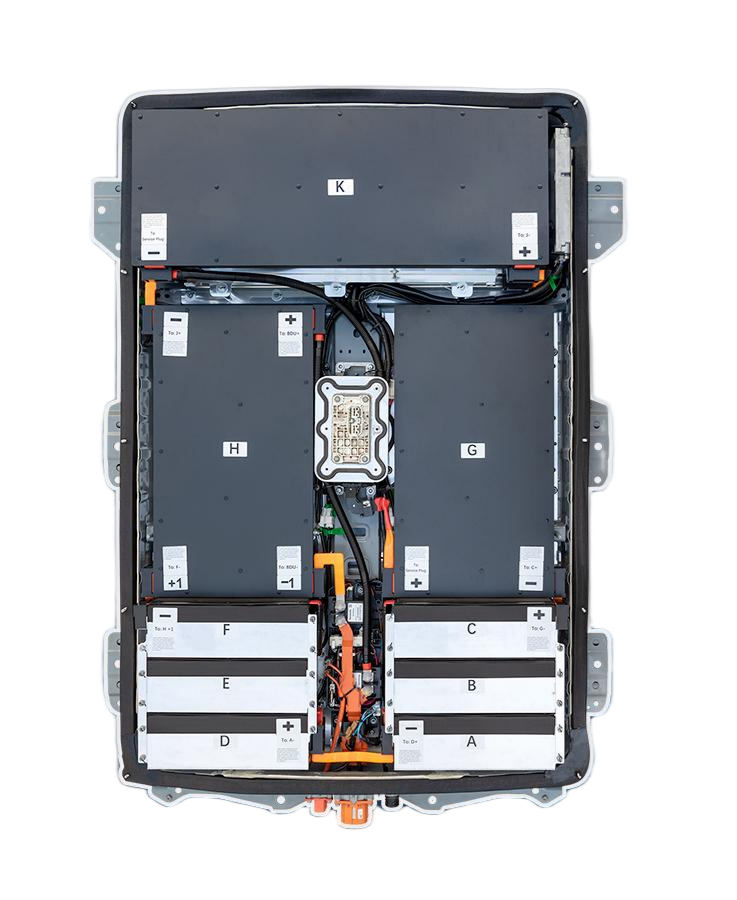
To understand the fix, we must first understand the enemy. The Nissan e-NV200 uses lithium-ion battery technology, which is incredibly efficient but sensitive to temperature extremes.
The Science of the Slowdown
When the mercury dips below 20°C (68°F), the electrolyte solution inside the battery becomes thicker, similar to oil in an old engine on a frosty morning. This forces the ions to work harder to move between the anode and cathode. This process, known as “lithium plating,” can permanently damage the battery if you try to charge it while it’s frozen.
The Heating Penalty
Unlike gasoline cars that get free heat from the engine, electric vehicles (EVs) must generate heat using the battery itself.
- Cabin Heat: Keeping the driver warm consumes significant energy.
- Battery Management: Your car uses energy to try and maintain the battery’s optimal temperature.
- Tire Pressure: Cold air reduces tire pressure, increasing rolling resistance and further draining the 50kWh battery.
Expert Insight: In extreme cold (below 0°C / 32°F), you might see your effective range drop from the standard 180-200km (110-125 miles) to as low as 100km (60 miles). This isn’t a defect; it’s physics.
🛠️ 5 Proven Fixes to Restore Your Range
Don’t let winter sideline your vehicle. Implement these strategies to maximize your Nissan e-NV200 50kWh performance.
1. Pre-Conditioning is King
The single most effective trick is to warm up the battery while the car is still plugged in. If you have a Nissan EV battery with a pre-conditioning feature (or a timer), set it to start heating 30 minutes before you leave. Since the car draws power from the grid, not the battery, your e-NV200 will start the journey with a warm heart and a full digital “tank.”
2. Embrace the Seat Warmers
Heating the entire cabin is expensive. Instead, turn on the seat warmers and steering wheel heater (if equipped) and keep the cabin temperature low. Radiating heat directly to your body uses a fraction of the energy required to heat the air.
3. Slow Down and Smooth Out
Aggressive driving is the enemy of range in any condition, but it is fatal in the cold. The 50kWh battery has less energy to give, so:
- Use Eco Mode aggressively.
- Anticipate stops to maximize regenerative braking.
- Keep speeds under 50 mph (80 km/h) on highways.
4. The Ultimate Fix: Upgrade to a Higher Capacity
If you are constantly battling “range anxiety,” the mechanical fixes above might not be enough. This is where upgrading your hardware comes into play. Many owners are solving their cold-weather woes by replacing their standard 50kWh battery with a higher-capacity unit.
Imagine doubling your buffer. Instead of starting with 50kWh, what if you had 68kWh or even 80kWh? Even with a 40% winter loss, a larger battery gives you the net range you need to survive the day.
🚀 The Long-Term Solution: Upgrading Your Nissan EV Battery
If your current Nissan e-NV200 50kWh battery is aging or simply too small for your needs, winter exposes these weaknesses. This is where a strategic upgrade transforms your vehicle.
Why Upgrade?
Standard Nissan EV batteries were built for a different era of electric driving. Modern replacement solutions, like those engineered by our team, utilize cutting-edge CATL cells. These cells offer superior thermal management, meaning they perform better in both the heat and the cold compared to older OEM packs.
The Performance Difference
By upgrading to a higher-capacity pack, you aren’t just buying more kWh; you are buying peace of mind.
- Eliminate Anxiety: A larger buffer means the “winter tax” doesn’t push you into the red.
- Faster Charging: Newer chemistries often support faster DC charging, getting you back on the road quicker during short winter days.
- Longevity: Old batteries degrade faster in cold climates. A brand-new Nissan EV battery is built to last.
Pro Tip: If you are considering an upgrade, don’t just replace like-for-like. Look for batteries with active thermal management systems specifically designed to handle temperature extremes.
🛡️ Protecting Your Investment: Warranty & Care
Upgrading your Nissan e-NV200 battery is a significant investment, and trust is paramount. You need to know that the company standing behind the product is as reliable as the hardware itself.
The CNS BATTERY Difference
When you source a replacement or upgrade kit, you need iron-clad protection. Our Nissan EV batteries come with an industry-leading warranty that covers you for the long haul.
| Feature | Standard Industry Warranty | Our Warranty |
|---|---|---|
| Duration | 1 Year / 20,000 km | 2 Years / 80,000 km |
| Coverage | Basic defects | Full coverage + Performance Guarantee |
| Peace of Mind | Limited | Unbeatable |
This 24-month / 80,000km warranty is not just a number; it is a promise. It guarantees that your battery will maintain at least 70% capacity over the warranty period, protecting you from premature degradation—a common fear for owners facing cold winters.
Lifetime Support
Technology is complex. That is why we offer lifetime technical support. Whether you need help winterizing your 50kWh battery or understanding the installation of a new pack, our experts are here to guide you step-by-step, ensuring your Nissan e-NV200 is ready for anything.
❄️ Conclusion: Drive Confidently This Winter
Cold weather doesn’t have to mean parking your Nissan e-NV200. By understanding the limitations of the 50kWh battery in freezing temperatures and utilizing smart driving techniques, you can mitigate the losses. However, for those who need a permanent solution to winter range anxiety, upgrading to a modern, high-capacity Nissan EV battery is the ultimate fix.
Don’t let the cold dictate your schedule. With the right preparation and the right equipment, you can keep your vehicle running efficiently all year round.
Ready to upgrade your range? Contact our technical experts today to find the perfect Nissan EV battery solution for your needs.
Get Your Free Custom Quote Now
💡 FAQ: Nissan e-NV200 Winter Range
Q: How much range will my Nissan e-NV200 50kWh lose in winter?
A: You can expect a loss of 20% to 40% in typical cold weather (0°C to -10°C / 32°F to 14°F). If you are using the heater frequently, this can increase to a 50% loss. This means your range could drop from roughly 200km to as low as 100km.
Q: Is it bad to charge my Nissan e-NV200 in the cold?
A: Charging a frozen battery can cause permanent damage (lithium plating). If your car has been sitting in sub-zero temperatures, it is best to plug it in immediately so the Battery Management System (BMS) can warm the pack using grid power before the charging cycle starts.
Q: Are newer Nissan EV batteries better in the cold?
A: Yes. Modern replacement batteries, especially those using high-quality cells like CATL, often feature better thermal management systems than older OEM packs. This helps maintain performance and protects the battery in extreme temperatures.
Q: What is the best way to park my e-NV200 in winter?
A: Park in a garage if possible. If not, try to park facing the sun to maximize solar gain on the cabin. Always keep the car plugged in when parked in the cold to allow the thermal system to maintain the battery temperature.