How CNS Batteries Handle Rapid Charging in 40°C Temperatures
Summary: This article explores how CNS Battery’s Nissan and BMW EV battery solutions maintain performance and safety during rapid charging in extreme 40°C heat. It covers the specific thermal management technologies used, the CATL cell chemistry advantages, and the rigorous testing protocols to ensure longevity and safety in hot climates.
🚗 Introduction
For electric vehicle owners in hot climates, rapid charging can be a double-edged sword. While it offers convenience, the combination of high charging currents and ambient temperatures exceeding 40°C can stress battery systems, leading to thermal throttling, reduced lifespan, or safety concerns. CNS Battery addresses these challenges head-on with advanced engineering tailored specifically for Nissan and BMW platforms. This article details the proprietary technologies and design principles that allow CNS batteries to handle rapid charging in extreme heat safely and efficiently.
🌡️ The Challenge of 40°C Rapid Charging
Before diving into the solutions, it is essential to understand the physics at play. When ambient temperatures reach 40°C, the battery’s starting temperature is already high. Rapid charging introduces significant internal resistance and heat generation. If not managed, this can lead to:
- Thermal Runaway Risk: Uncontrolled temperature increase.
- Lifespan Degradation: High temperatures accelerate chemical degradation.
- Charging Cessation: The Battery Management System (BMS) may halt charging to protect the cells.
🔋 CNS Battery’s Rapid Charging Solution
CNS Battery leverages a multi-faceted approach to ensure that their packs can accept high charging currents even in the hottest environments.
1. Core Cell Technology: The CATL Advantage
The foundation of CNS’s heat resistance lies in the cell chemistry. CNS Battery exclusively utilizes brand-new, original battery cells from CATL (Contemporary Amperex Technology Co. Limited), the world’s largest battery manufacturer. CATL cells are renowned for their superior thermal stability compared to recycled or lower-grade alternatives.
Note: Unlike refurbished or recycled batteries that use aged cells with degraded thermal properties, CNS uses pristine cells designed to meet original factory standards for safety and performance.
2. Advanced Thermal Management System (TMS)
CNS Battery packs are engineered with a robust Thermal Management System (TMS) that includes:
- High-Efficiency Cooling Plates: Integrated directly with the cells to maximize heat transfer.
- Thermally Conductive Adhesives: These materials help wick heat away from the cell cores to the cooling plates.
- Optimized Airflow Channels: For passive cooling systems, the module layout is designed to allow maximum airflow around each cell block, preventing hotspots.
3. Intelligent BMS Algorithms
The Battery Management System (BMS) is the brain of the operation. CNS’s BMS is programmed with algorithms specifically tuned for rapid charging scenarios. It dynamically adjusts the charging current based on real-time temperature feedback from sensors placed throughout the pack. If temperatures approach critical levels, the BMS will preemptively reduce the current to safe levels rather than allowing the system to overheat.
4. Rigorous Testing Protocols
Every CNS battery pack undergoes strict testing to simulate real-world extremes. This includes:
- High-Temperature Charge/Discharge Cycles: Testing at temperatures exceeding 45°C to ensure stability.
- Thermal Imaging: Every pack is scanned with thermal cameras during stress tests to identify any potential hotspots before shipment.
📊 Comparison: CNS Battery vs. Standard Options
To illustrate the difference, consider the following comparison of how different battery types handle 40°C rapid charging.
| Feature | CNS Battery Solution | Standard/Refurbished Batteries |
|---|---|---|
| Cell Source | Brand new CATL cells | Recycled or degraded cells |
| Thermal Stability | High (Designed for extreme climates) | Low (Prone to overheating) |
| BMS Response | Dynamic current adjustment | Basic cut-off (Less refined) |
| Longevity in Heat | Stable performance over time | Rapid degradation and swelling risk |
| Warranty | 2 Years / 80,000 km | Often limited or non-existent |
🌍 Real-World Applications
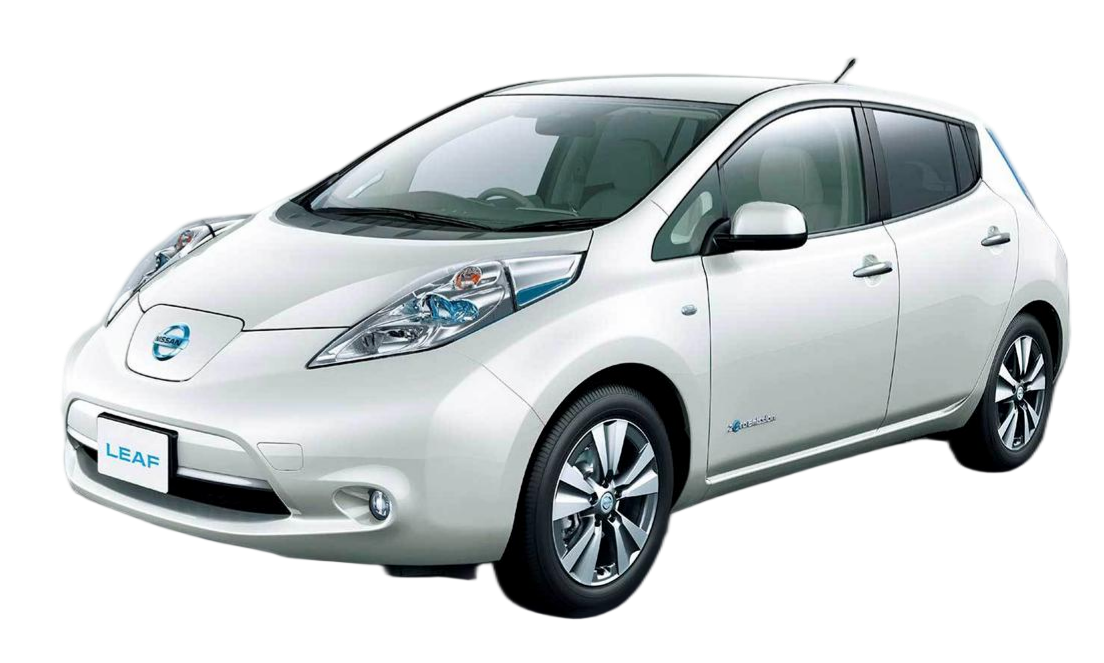
This technology is particularly beneficial for users in regions with hot climates, such as the Middle East, Southern Europe, or desert areas in the United States. For example, a Nissan Leaf owner in Dubai can rely on a CNS battery to handle rapid charging at public stations without the fear of the battery cutting out or degrading rapidly due to the heat.
🛠️ Maintenance Tips for Hot Climates
While CNS batteries are built to handle the heat, users can further optimize performance by:
- Pre-Cooling: If the vehicle has a preconditioning feature, activating it before arriving at the charger can lower the core temperature.
- Shade Parking: Parking in shaded areas when not in use helps keep the baseline temperature lower.
- Avoiding Peak Heat: If possible, charging during the cooler parts of the day (early morning or late evening) can maximize charging speed.
❓ Frequently Asked Questions (FAQ)
Q: Can I use a 350kW charger with a CNS battery in 40°C weather?
A: While CNS batteries are designed for rapid charging, the actual charging speed depends on the vehicle’s onboard electronics and the specific battery model (e.g., Nissan Leaf vs. BMW i3). The BMS will automatically regulate the current to prevent overheating. You may experience some power tapering, but the battery will charge safely.
Q: What happens if the battery gets too hot during charging?
A: The intelligent BMS will first reduce the charging current. If temperatures continue to rise to unsafe levels, the system will automatically disconnect the charging circuit to protect the cells and the vehicle.
Q: Do CNS batteries come with a warranty for hot climate usage?
A: Yes. CNS Battery offers a standard warranty of 2 Years or 80,000 km (whichever comes first) that covers manufacturing defects and performance issues, regardless of the climate, provided the battery is used within the specified operating conditions.
📝 Conclusion
CNS Battery has engineered a solution that allows Nissan and BMW EV owners to confidently use rapid charging infrastructure even in the most challenging 40°C environments. By combining premium CATL cells with an advanced Thermal Management System and an intelligent BMS, CNS ensures that safety and longevity are never compromised for speed. If you are facing battery degradation or planning an upgrade for a hot climate, CNS Battery offers a reliable, cost-effective alternative to OEM replacements.
Contact CNS Battery today to learn more about their heat-resistant battery solutions and to get a free quote for your vehicle.