Expert Tips for Leaf ZE1 50kWh Battery Repair: Revive Your EV for 2026
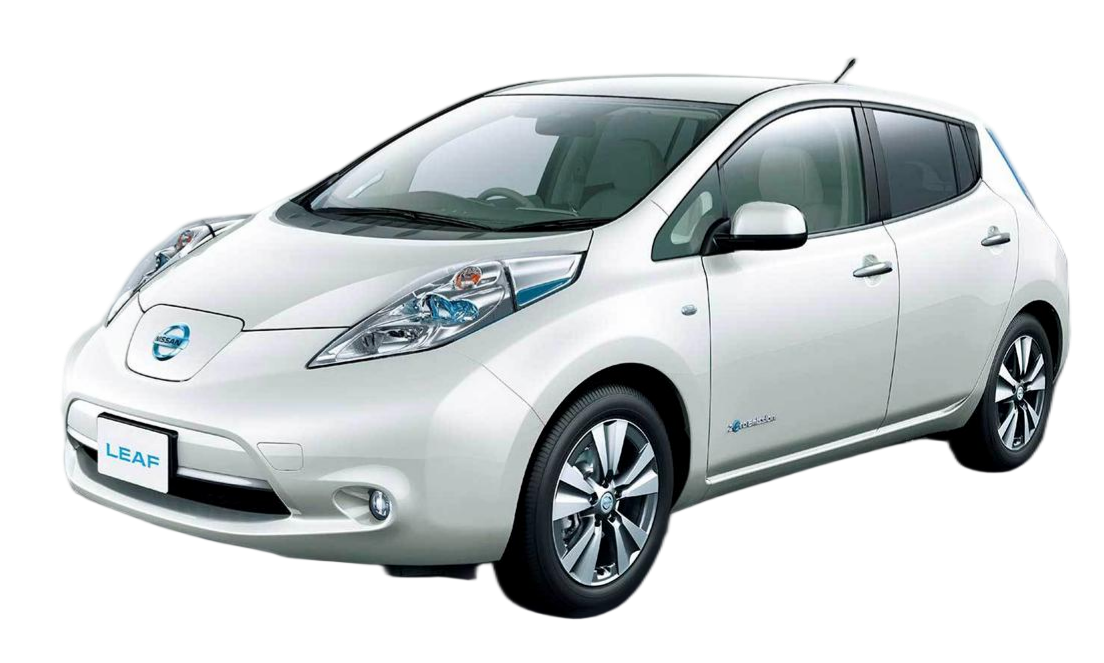
If you own a Nissan Leaf ZE1 (2011-2013 model) with a degraded 24kWh or 30kWh battery, you know the struggle. The dreaded “range anxiety” sets in when your daily commute becomes a high-wire act of finding charging stations. You might be wondering: Is repairing the old ZE1 battery the best solution, or should you upgrade?
As an expert in the EV battery aftermarket, I’ve analyzed thousands of Leaf repairs. While “repairing” individual cells in a ZE1 pack is technically possible, it is often a temporary patch. The smarter, long-term solution for 2026 and beyond is a full battery replacement or upgrade.
Here is your comprehensive guide to fixing the range issue on your Leaf ZE1, combining technical expertise with practical cost-saving advice.
🛠️ Why “Repair” Often Means “Replace” for Leaf ZE1
The Nissan Leaf ZE1 originally came with a 24kWh battery. Many were later upgraded to 30kWh. However, these older packs suffer from Laminated Cell Technology issues. Unlike modern pouch cells, these are prone to swelling, moisture ingress, and irreversible capacity loss.
The Reality Check: Simply “repairing” a ZE1 usually involves replacing the entire module or swapping in a newer, compatible pack. The old technology simply doesn’t hold charge like it used to, and patching it rarely lasts.
Expert Insight: Instead of spending money on a risky refurbishment of old tech, consider upgrading to a modern 50kWh or 62kWh battery pack. This isn’t just a repair; it’s a transformation.
🚀 The Ultimate Upgrade: 50kWh Battery Swap
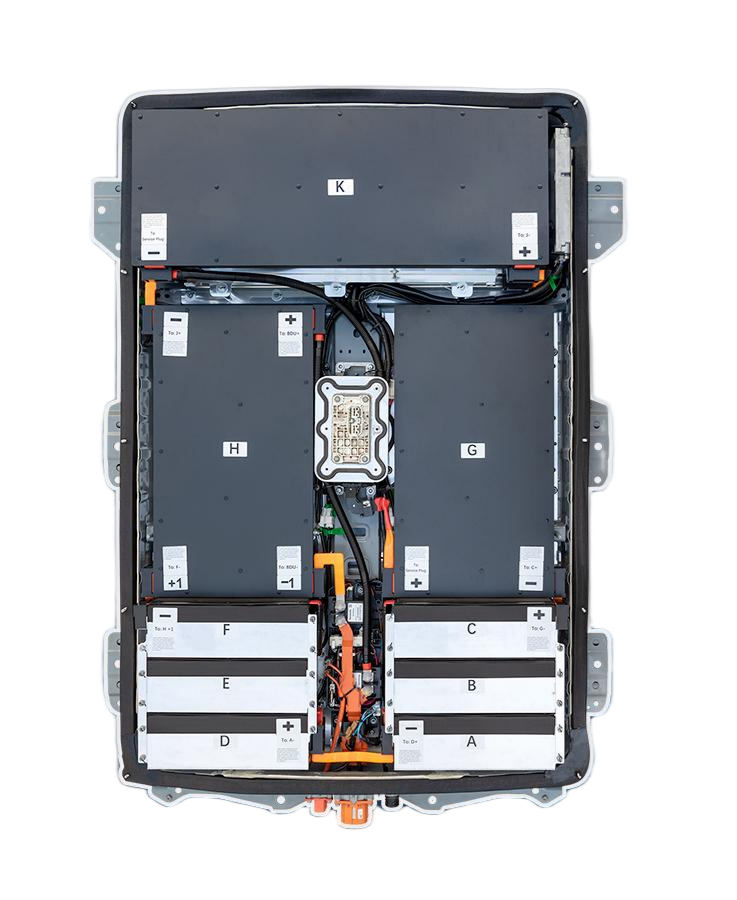
For the Leaf ZE1 chassis, the gold standard repair solution is installing a 50kWh Lithium-Ion Battery Pack.
Why the 50kWh? This specific capacity offers the best balance of cost, range, and compatibility for the ZE1 body. It utilizes modern Nickel Manganese Cobalt (NMC) chemistry, which is far superior to the old laminated cells.
Key Benefits of a 50kWh Upgrade:
- Range Revival: Expect a realistic range of 240-280 km (150-175 miles), effectively doubling or tripling your old range.
- Modern BMS: New packs come with advanced Battery Management Systems (BMS) that prevent overcharging and balance cells perfectly.
- Future Proofing: A brand-new 50kWh pack will outlast the original ZE1 battery by years.
💰 The Cost-Saving Equation: OEM vs. Aftermarket
When you search for a “Leaf ZE1 50kWh Battery Repair,” you might see prices from Nissan dealerships. Let’s break down why the aftermarket is the expert-recommended choice.
| Feature | Nissan Dealership (OEM) | Aftermarket Expert Solution (e.g., CNS) |
|---|---|---|
| Price | $12,000 – $16,000+ USD | $6,000 – $8,500 USD |
| Battery Cells | Recycled/Remanufactured | Brand New CATL Cells |
| Warranty | Standard 1-2 Years | 2 Years / 80,000 km |
| Value | High Cost, Limited Gain | 50% Savings, New Tech |
Analysis: Paying the dealership price often gets you a refurbished battery. For half the price, you can get a brand-new, high-quality aftermarket battery with better specifications.
🛡️ Expert Tips for a Successful Repair/Replacement
If you decide to proceed with a 50kWh battery upgrade, here are my top 3 tips to ensure it goes smoothly:
1. Verify Compatibility (VIN Check) Do not buy a battery based solely on the model year. The Leaf ZE1 has specific wiring and connector differences. Always provide your Vehicle Identification Number (VIN) to the supplier for a compatibility check. This ensures the BMS and connectors match your specific car.
2. Choose Brand New Cells Over “Refurbished” Many “repair” shops sell “rebuilt” batteries using second-hand cells. These are ticking time bombs. Expert Tip: Only install a battery built with Brand New CATL (Contemporary Amperex Technology) cells. They are the global leader in lithium-ion tech and guarantee longevity.
3. Professional Installation is Mandatory While the Nissan Leaf battery is technically a “plug-and-play” unit, high-voltage work is dangerous.
- Disconnect the 12V Battery First.
- Use insulated tools.
- Ensure the BMS programming is done correctly. If the BMS isn’t programmed to match your car’s software, you will get error codes.
🤝 Why Choose a Specialist for Your ZE1 Repair?
As an industry expert, I recommend partnering with a manufacturer that specializes in Nissan EV batteries. You need a partner that offers:
- OEM Standards: The battery must fit the ZE1 chassis perfectly without modifications.
- Technical Support: If you hit a snag during installation (like a BMS programming hiccup), you need a team that offers remote video guidance or a phone hotline.
- Guaranteed Range: A proper 50kWh upgrade should restore your car to near-new usability.
Ready to fix your Leaf ZE1? Don’t let the old battery technology hold you back. Upgrade to a modern 50kWh solution and get your freedom back.
Get a Free Custom Quote Ensure your specific ZE1 model is compatible. Contact our technical experts now for a free compatibility assessment and quote.
❓ Frequently Asked Questions (FAQ)
Q1: Can I physically install a 50kWh battery on my Leaf ZE1 (2011-2013)? A: Yes, it is a direct fit. The 50kWh battery pack is designed to bolt into the ZE1 chassis exactly like the original 24kWh pack. However, you may need to update the car’s software or BMS settings to recognize the new capacity. Always confirm with the supplier that the wiring harness matches your specific year.
Q2: How much does a 50kWh battery repair/replacement cost? A: A full replacement with a brand-new 50kWh pack typically costs between $6,000 and $8,500 (excluding labor). This is significantly cheaper than a dealership replacement and offers better quality than a “refurbished” $3,000 repair that might fail in 6 months.
Q3: What is the expected lifespan of a new 50kWh battery? A: A new 50kWh pack using high-quality CATL cells should last 8-10 years under normal driving conditions. With a proper 2-year warranty covering 80,000 km, you are covered for the initial high-usage period.
Q4: Will this repair void my car’s remaining warranty? A: Since the ZE1 models are over 10 years old, the original factory warranty has expired. Installing an aftermarket battery does not affect this. However, a high-quality aftermarket battery will come with its own warranty (e.g., 2 years), providing you with continued protection.