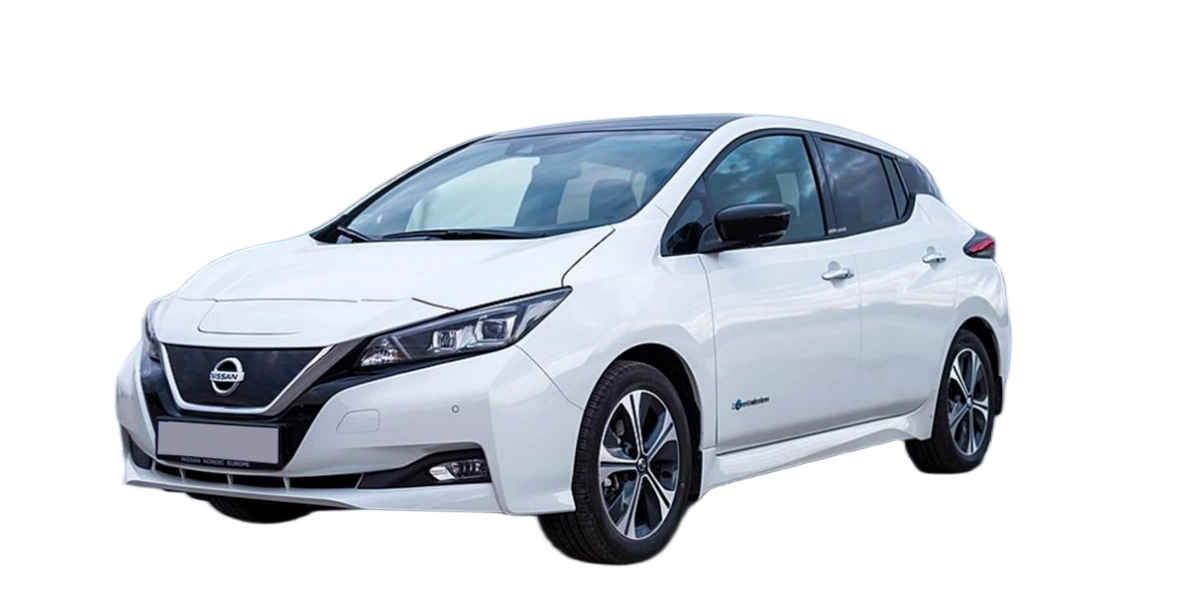
❄️ Driving a Nissan Leaf in Alaska: Does a New Battery Solve Cold Issues?
Living in Alaska means embracing the beauty of winter, but it also means facing the harsh reality of electric vehicle (EV) range anxiety. If you drive a Nissan Leaf, you know that cold temperatures can be brutal on older lithium-ion batteries. The dashboard range drops, the heater drains power rapidly, and finding a charging station in a blizzard feels risky.
The short answer is: Yes, a brand-new, high-quality battery can significantly mitigate cold-weather issues—but only if it uses fresh, premium-grade cells.
An old battery suffering from capacity degradation (SOH <70%) will struggle even more in the cold. However, a new battery from a reliable manufacturer like CNS BATTERY doesn’t just restore your range; it provides the raw capacity needed to offset the 30-40% winter loss, ensuring you stay safe and mobile.
Here is why a new battery is the ultimate solution for Alaskan Leaf owners and how to choose the right one.
🥶 Why the Cold Kills Your Leaf’s Range
Before we discuss the solution, let’s understand the enemy.
When temperatures drop below freezing (32°F / 0°C), two main things happen to your Leaf:
- Chemical Slowdown: Lithium-ion chemistry slows down in the cold. The electrolyte becomes more viscous, increasing internal resistance. This makes it harder for the battery to discharge energy to the motor and accept charge from regenerative braking.
- Cabin Heating: Unlike gas cars that use waste engine heat, the Leaf’s heat pump (or resistive heater in older models) draws a massive amount of power directly from the traction battery. Running the heat can consume up to 3-5 miles of range per hour of driving.
The Vicious Cycle: An old Leaf battery (e.g., 24 kWh model) might only have 18 kWh of usable capacity left. In Alaska, the cold and heater can cut that effective range in half. Suddenly, a 70-mile car becomes a 35-mile car, which is insufficient for daily needs.
⚡ Why a New Battery is the Game-Changer
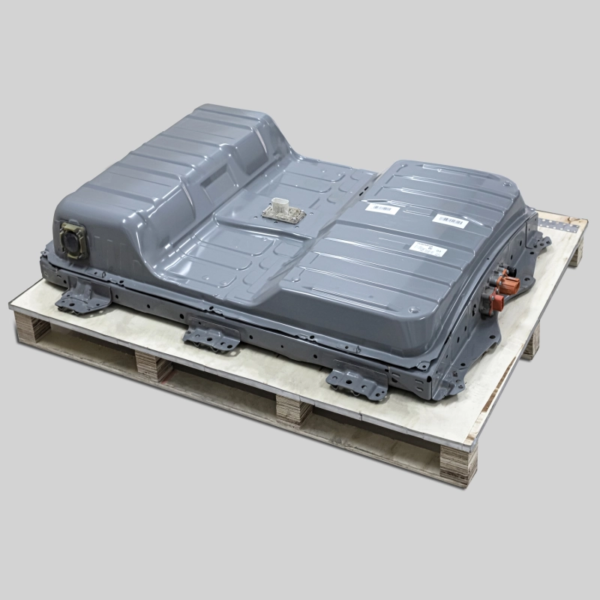
Replacing your degraded pack with a brand-new lithium battery pack is the most effective upgrade for cold climates. Here is how it solves the specific problems faced in places like Anchorage or Fairbanks:
1. Restoring “Headroom” for Heating
A new battery doesn’t just fix the chemical degradation; it gives you the “headroom” needed to power the heater. If you upgrade from a degraded 24 kWh pack to a new 40 kWh or 62 kWh pack, you have surplus energy. Even if the heater uses 20% of your power, you still have ample range left for commuting.
2. Superior Cold-Weather Chemistry
Not all batteries are created equal. At CNS BATTERY, we utilize brand-new, top-tier cells from CATL (Contemporary Amperex Technology Co. Limited), one of the world’s largest and most advanced battery manufacturers.
- Fresh Electrolyte: New cells have optimized electrolytes that perform better in sub-zero conditions compared to 8-10 year old cells.
- Lower Internal Resistance: New cells have minimal resistance, meaning less energy is wasted as heat during discharge (which is actually beneficial for keeping the battery bay warm) and more energy goes to the wheels.
3. Integrated Battery Management (BMS)
Our batteries are engineered with advanced Battery Management Systems (BMS) specifically tuned for stability. In cold climates, the BMS plays a critical role in managing the discharge curve and preventing the car from cutting power unexpectedly due to low voltage sag—a common fear for Alaskan drivers.
🆚 New vs. Refurbished: The Alaskan Survival Test
When shopping for a replacement, you will see cheap “refurbished” or “used” options. For Alaskan winters, these are often a false economy. Let’s break down why a new build is essential.
| Feature | Refurbished/Used Battery | CNS New Battery |
|---|---|---|
| Cell Quality | Aged cells, often salvaged from other packs. Performance degrades rapidly in cold. | Brand-new CATL cells. Guaranteed freshness and maximum low-temperature output. |
| Winter Range | Unpredictable. Likely to drop below usable levels in extreme cold. | Reliable. Full rated capacity available to offset heater drain. |
| Warranty | Often short (3-6 months) or none. No support if it fails in -20°F. | 2 Years / 80,000 km. Comprehensive coverage even in harsh conditions. |
| Risk | High risk of swelling, failure, or sudden death in freezing temps. | Zero Defect Guarantee. Built to OEM standards for safety. |
Expert Insight: Do not gamble with your heat source. In sub-zero Alaska, a battery failure isn’t just an inconvenience; it’s a safety hazard. A new pack from a reputable OEM like CNS ensures your heater works when you need it most.
🛠️ Tips for Using Your New Battery in the Cold
Even with a brand-new Nissan Leaf lithium battery pack, proper habits are crucial in Alaska.
- Pre-Conditioning: Always plug in your car. Use the timer function to warm the battery while it is still plugged in. This ensures you leave with a warm battery (maximizing efficiency) and a warm cabin, without draining the newly installed capacity.
- Seat Heaters First: Use the seat heaters and steering wheel heater before turning on the cabin blower. They use far less energy than heating the entire cabin air.
- Tire Pressure: Keep your tires inflated to the maximum recommended pressure. Cold air reduces tire pressure, and under-inflated tires significantly increase rolling resistance in snow.
📈 Upgrade Your Range, Upgrade Your Life
If you are tired of your Leaf turning into a “winter garage queen,” it is time for a change. At CNS BATTERY, we specialize in providing OEM-compatible, cost-effective solutions for Nissan owners.
We offer a full range of capacities, from the standard 40 kWh to the long-range 62 kWh and 68 kWh modules. By choosing a higher capacity pack, you effectively buy yourself “insurance” against the cold weather drain.
Our packs are designed for a perfect fit—plug-and-play installation ensures you can get back on the road quickly, often without needing to modify your vehicle’s software or hardware.
❓ Frequently Asked Questions (FAQ)
Q1: Will a new battery completely eliminate range loss in Alaska?
A: While no battery can defy the laws of physics, a new battery eliminates the compounding effect of degradation. A fresh pack will still lose range in the cold (typically 20-30% depending on the heater usage), but because it starts with 100% capacity, your absolute range will be significantly higher than with an old, degraded battery.
Q2: How does the CNS BATTERY warranty work for customers in cold climates?
A: We offer a standard 2-year or 80,000 km warranty (whichever comes first). This covers defects in materials and workmanship. We also provide prorated coverage for performance degradation, ensuring your battery maintains a high state of health even after years of Alaskan winters.
Q3: Can I install a larger capacity battery (like 62 kWh) in an older Leaf model?
A: Yes. Our engineering team designs packs specifically for cross-compatibility. We can provide 62 kWh lithium battery modules that fit older Leaf chassis (ZE0, ZE1). However, you may need a minor software update or cluster swap to display the correct range, which our technical support team can guide you through.
Q4: How long does shipping to Alaska take?
A: We ship globally, including to remote areas. Standard sea freight typically takes 4-8 weeks. For urgent needs, we recommend discussing expedited air freight options with our sales team to minimize downtime.
Don’t let the cold dictate your driving season. Get back the freedom to explore Alaska’s winter wonderland with a reliable, high-capacity Nissan Leaf battery.