Here is the SEO-optimized article tailored for the Nissan Leaf AZE0 DIY replacement market.
🛠️ The Ultimate DIY Guide: Replacing Your Nissan Leaf AZE0 Battery Pack
Is your Nissan Leaf AZE0 (2018-2022) struggling with reduced range and battery degradation? You’re not alone. As these popular electric vehicles age, battery capacity naturally fades, leading to “range anxiety” and the tough decision of whether to repair or replace.
For savvy Leaf owners and independent mechanics, replacing the battery pack yourself (DIY) is the most cost-effective way to revive your vehicle. This guide cuts through the technical jargon, providing a step-by-step roadmap for a successful Nissan Leaf AZE0 battery replacement. We will cover the tools you need, the critical compatibility checks, and how to source a high-quality, OEM-standard replacement that fits your budget.
⚡ Why Replace Your AZE0 Battery?
The Nissan Leaf AZE0 platform, which includes the 40kWh and 62kWh variants, utilizes lithium-ion technology that degrades over time. If your Leaf is displaying significantly reduced range or “12 bars of death” (where capacity drops to a critical level), a full pack replacement is often the only solution.
Unlike older ZE0 models, the AZE0 features a more complex Battery Management System (BMS) and physical structure. However, with the right preparation, a DIY replacement is entirely achievable and can save you thousands compared to dealership costs.
🔧 Pre-Installation: Tools & Preparation
Before you start unbolting heavy components, ensure you have the correct equipment. Safety is paramount when dealing with high-voltage systems.
Essential Tools for AZE0 Replacement:
- Torque Wrench: Essential for correctly tightening the new battery bolts (typically to Nissan specifications).
- Insulated Gloves & Safety Glasses: Protect yourself from high-voltage contact.
- Floor Jack & Transmission Jack: The battery pack weighs approximately 300kg (660 lbs). You need sturdy hydraulic support.
- Wooden Blocks: To securely support the vehicle while working underneath.
- Diagnostic Scanner: While the installation is plug-and-play, a scanner helps verify the BMS handshake after installation.
Safety First: Always disconnect the 12V auxiliary battery before starting work to ensure the high-voltage system is isolated.
📦 Finding the Right Replacement: OEM vs. Aftermarket
When sourcing a replacement for your AZE0, you have two primary options: expensive OEM (Original Equipment Manufacturer) packs or high-quality aftermarket solutions.
The Cost Barrier:
Dealership replacements for the AZE0 can cost upwards of $16,000 USD. This high cost often makes repair economically unviable for many owners.
The Smart Alternative:
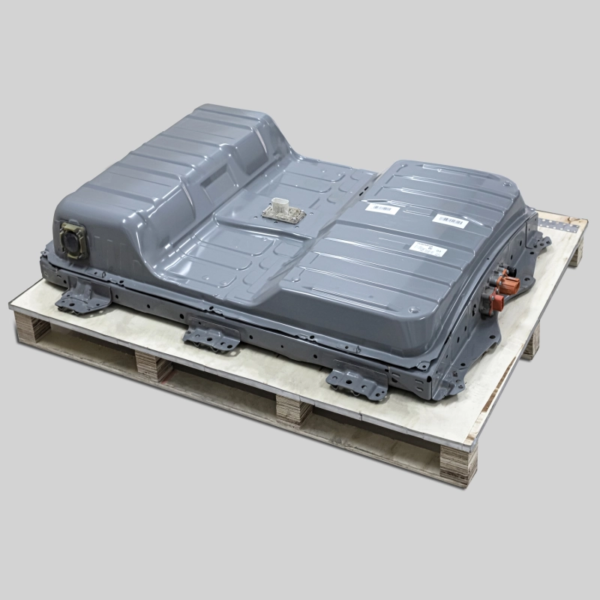
This is where specialized manufacturers like CNS BATTERY come in. We design OEM-compatible battery packs specifically for the Nissan Leaf AZE0 (and ZE1) models. These packs are engineered to the same physical and electrical standards as the original, ensuring perfect fitment without modifications.
Key Features of a Quality Replacement Pack:
- Brand-New Cells: Unlike refurbished or salvaged packs, new packs use fresh, high-grade cells (often from CATL) to guarantee maximum lifespan and performance.
- Full BMS Integration: The Battery Management System must communicate seamlessly with the Leaf’s vehicle control unit (VCU).
- Warranty Protection: Look for solutions offering a substantial warranty (e.g., 2 years / 80,000 km) to protect your investment.
🛠️ Step-by-Step Installation Guide
While the specific steps can vary slightly depending on your exact model year, the general process for replacing a Nissan Leaf AZE0 battery follows this flow:
- Vehicle Preparation: Lift the vehicle securely using jack points. Remove the underbody splash guard to access the battery bolts.
- High Voltage Disconnection: Locate and disconnect the high-voltage service plug (if accessible) and ensure the 12V battery is disconnected.
- Unbolting: Remove the retaining bolts securing the battery to the chassis. There are multiple bolts on the AZE0 model, so ensure you locate them all.
- Removal: Carefully lower the old battery using a transmission jack. Be mindful of the weight distribution.
- Installation: Lift the new replacement pack into place. Ensure the wiring harnesses and connectors are not pinched.
- Reconnection: Reinstall all bolts to the manufacturer’s torque specifications. Reconnect the 12V battery.
- System Reset: Upon starting the vehicle, the BMS may require a reset or initialization. This usually happens automatically, but some aftermarket packs may require a simple diagnostic reset.
Expert Tip: If you encounter any BMS communication errors during installation, professional technical support (such as video call guidance) is highly recommended to walk you through the programming process.
💰 Cost Comparison: Reviving Your Leaf
Replacing your battery is a significant investment. Here is a quick comparison to help you understand the value proposition of choosing a specialized aftermarket solution.
| Feature | Salvaged/Used Pack | OEM Dealer Replacement | CNS BATTERY (OEM-Compatible) |
|---|---|---|---|
| Price Estimate | $$ (Variable) | $$$$$ (Very High) | $$$ (Affordable) |
| Cell Quality | Degraded (Old Cells) | Brand New | Brand New (CATL Grade A) |
| Warranty | Usually None | 8 Years (Pro-rated) | 2 Years / 80,000 km |
| Risk of Swelling | High (Unknown History) | Low | Low (New Engineering) |
| Best For | Short-term fixes | Deep pockets | DIY Enthusiasts & Budget Savers |
📝 Conclusion: Is DIY Right for You?
Replacing the battery in your Nissan Leaf AZE0 is a challenging but rewarding task. If you have access to a lift or a pit and are comfortable working with heavy machinery, a DIY replacement can breathe new life into your EV.
By choosing a high-quality, new replacement pack designed to OEM standards, you avoid the risks associated with used or refurbished batteries (such as swelling or rapid degradation). You gain the confidence of a warranty and the satisfaction of restoring your vehicle to “like new” condition at a fraction of the dealer price.
Ready to get your quote and start your project?
Get Your Custom Nissan Leaf AZE0 Quote Now
❓ Frequently Asked Questions (FAQ)
1. Can I really install a Nissan Leaf AZE0 battery by myself?
Yes, it is possible for a technically proficient DIYer. However, due to the weight of the pack (over 300kg), you will need a sturdy transmission jack and a safe way to lift the vehicle. If you are not confident in your mechanical ability, we strongly recommend hiring a professional mechanic, as improper installation can void warranties or create safety hazards.
2. What is the difference between a 40kWh and a 62kWh AZE0 pack?
The physical dimensions of the 40kWh and 62kWh Nissan Leaf AZE0 battery packs are identical. This means you can often upgrade from a 40kWh to a 62kWh capacity without modifying the car’s body or wiring. Upgrading capacity will significantly increase your driving range.
3. Do I need to reprogram the car after installing the new battery?
In most cases, a direct replacement pack will communicate with the car’s computer automatically. However, the Battery Management System (BMS) may need to be initialized or reset using a diagnostic scanner to clear any old error codes from the previous battery.
4. How long does the installation take?
For a professional technician, the installation typically takes 1-2 hours. For a DIYer, depending on experience and tool preparation, it can take anywhere from 2 to 4 hours.
5. What kind of warranty should I expect on a replacement pack?
Be wary of packs with no warranty or very short warranties. A reputable manufacturer of new replacement packs (not refurbished) should offer a substantial warranty. For example, CNS BATTERY offers a 2-year / 80,000 km warranty on their automotive batteries, covering defects and performance degradation, providing peace of mind for your investment.