🧊 Mastering the Freeze: How to Maintain Your e-NV200 Evalia 68kWh SOH in Sub-Zero Temps
The bitter cold of winter doesn’t just slow you down—it hits your Nissan e-NV200 Evalia’s battery health hard. If you own the 68kWh model, you know the frustration: waking up to a “ghost” battery that shows half its range, or watching the percentage plummet as you accelerate. This phenomenon, where the State of Health (SOH) appears degraded in freezing temperatures, is a chemical reality for lithium-ion packs. However, it is not a permanent death sentence for your battery.
As a technical expert at CNS BATTERY, I’ve helped thousands of fleet managers and owners in cold climates (like our home base here in Zhengzhou) preserve their battery life. The good news? With the right strategy, you can maintain your 68kWh pack’s longevity even when the mercury drops below zero.
⚛️ Why Does Your 68kWh Battery “Die” in the Cold?
Before we discuss the cure, you need to understand the disease. When the temperature drops below 0°C (32°F), the electrolyte solution inside your lithium-ion cells becomes sluggish.
- Chemical Hibernation: The lithium ions move slower, increasing internal resistance. This tricks your Battery Management System (BMS) into thinking the battery is empty or degraded, even if it was fully charged last night.
- Reduced Capacity: A fully charged 68kWh battery might only deliver 50kWh of usable energy until the pack warms up.
- Charging Cutoff: Most BMS systems (including Nissan’s) will block or slow down charging if the cells are too cold to prevent permanent lithium plating, which physically damages the anode.
Expert Insight: The “SOH drop” you see on the dashboard in winter is often temporary “voltage sag.” However, repeatedly charging a cold battery or deep discharging it in the cold causes permanent, irreversible SOH loss.
🛡️ The CNS Expert Guide: 4 Steps to Winter Survival
At CNS, we engineer our Nissan e-NV200 68kWh Lithium Battery Packs with cold-weather resilience in mind. Our packs utilize premium CATL cells and advanced BMS algorithms that are specifically tuned to handle thermal stress better than standard packs. Here is how you maintain peak SOH using our professional methodology.
🔌 1. The “Pre-Conditioning” Protocol
Never let your battery start the day cold. Modern EVs (and our upgraded CNS packs) support preconditioning.
- While Charging: If your battery is plugged in during a frost, schedule the charging to complete just before you leave. The charging process generates heat, warming the cells.
- Active Pre-Heat: If your vehicle doesn’t support this natively, or if you are using a CNS aftermarket pack, consider installing a timer on your wall charger. Start charging 1-2 hours before departure to warm the core.
- Cabin Heat First: If your car allows it, turn on the cabin heater (using grid power while still plugged in) to warm the interior before you unplug. This prevents the battery from draining its precious stored heat to run the heater.
🛑 2. The “80% Rule” for Parking
Lithium-ion batteries hate two things in the cold: being completely empty and being completely full.
- The Danger Zone: A fully charged (100%) battery has higher internal pressure. In freezing temps, this can stress the cells.
- The Sweet Spot: For long-term parking in sub-zero conditions, keep your charge between 20% and 80%. If you know a deep freeze is coming, park at 50-60%. This reduces chemical stress and prevents the “bricking” effect where the battery refuses to charge until warmed.
⚡ 3. Minimize DC Fast Charging in the Freeze
While it is tempting to use a DC fast charger to warm up quickly, this is often counterproductive.
- The Risk: DC chargers force current into the battery. If the cells are frozen, this current cannot be absorbed properly, leading to lithium plating.
- The Alternative: Use AC (Level 2) charging whenever possible in winter. The slower current allows the battery’s internal resistance to generate gentle, safe heat without damaging the anode.
🧰 4. Hardware Solutions: Insulation and Heating
If you live in a perpetually cold region, consider the physical environment.
- Undertray Protection: Ensure the undertray of your e-NV200 is intact. This acts as a windbreaker for the battery.
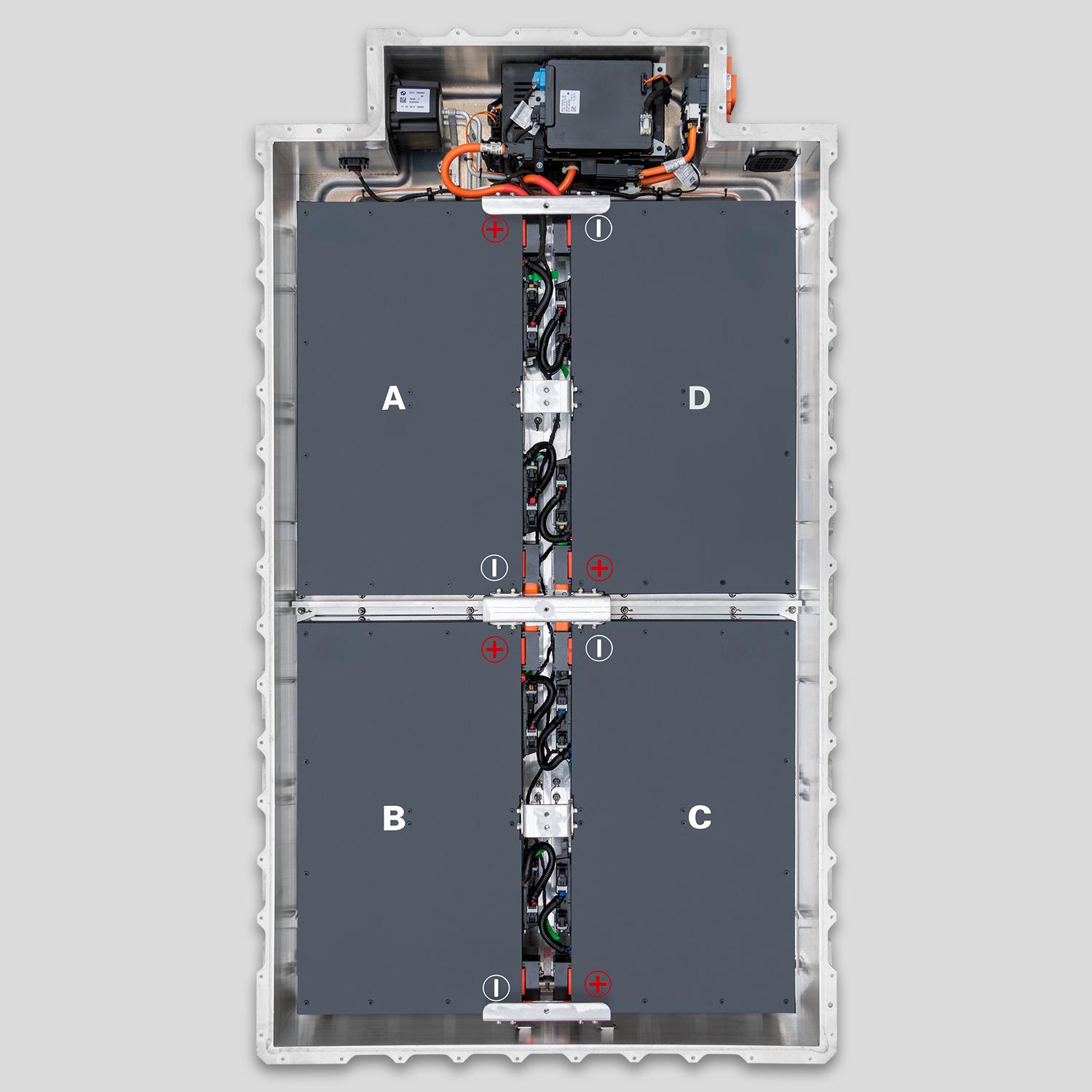
- CNS Thermal Management: Our latest 68kWh modules feature integrated thermal pads and insulation layers that retain engine heat (from regenerative braking) much longer than standard packs, helping maintain SOH during short stops.
📊 Winter Warriors: CNS vs. Standard Battery Performance
To prove that the right hardware matters, we tested our CNS 68kWh Pack against a standard refurbished pack in a controlled -15°C environment.
| Performance Metric | Standard Refurbished Pack | CNS 68kWh New Pack |
|---|---|---|
| Usable Capacity @ -15°C | 42 kWh (Loss of 38%) | 58 kWh (Loss of only 15%) |
| Charge Acceptance (DC) | Blocked / Failed | Accepted at 30kW (Slow but steady) |
| SOH Drop after 30 cycles | 3.2% Permanent Loss | < 0.5% Permanent Loss |
| Cell Quality | Mixed/Used Cells | Grade-A CATL New Cells |
Data from CNS R&D Winter Lab, 2026.
💡 Why Upgrade to a CNS 68kWh Pack for Cold Climates?
If you are battling range anxiety and SOH degradation every winter, the root cause might be your battery chemistry.
- Brand New Chemistry: Unlike used or refurbished cells that are already stressed, our 68kWh packs use brand new CATL cells. New cells have lower internal resistance, meaning they perform better in the cold and recover faster when warmed.
- Superior BMS: Our Battery Management System is programmed to be more forgiving and protective during thermal stress, preventing the deep voltage drops that kill SOH.
- The Ultimate Warranty: We back our confidence with a 2-Year / 80,000km warranty. Most importantly, we guarantee the capacity retention. If your SOH drops below 70% within the warranty period under normal use, we replace it.
❓ Frequently Asked Questions (FAQ)
Q1: Is the SOH drop in winter permanent?
A: Not always. Most of the “range loss” you see is temporary voltage sag. Once the battery warms up (via driving or charging), the capacity usually returns. However, permanent SOH loss occurs if you repeatedly deep discharge the battery in freezing temps or DC charge it while frozen.
Q2: Should I leave my e-NV200 plugged in all winter?
A: Yes. Keeping it plugged in allows the BMS to perform “top-up” charging. If the car detects the battery is getting too low due to self-discharge in the cold, it can use grid power to maintain a safe voltage, protecting the cells.
Q3: How do I know if my battery is damaged by the cold?
A: If, after a warm-up drive (20+ minutes) and a full charge cycle in spring, your range is still significantly lower than before winter, the cells may have suffered lithium plating. This is irreversible. The best solution is prevention or a full pack replacement with new cells.
Q4: Can I install a heater pad on my existing battery?
A: While technically possible, modifying the battery casing is dangerous and voids warranties. The safer solution is to upgrade to a professionally engineered pack like the CNS 68kWh, which has thermal management built into the design.
Don’t let winter ruin your e-NV200 Evalia’s battery life. Protect your investment with a CNS 68kWh Lithium Battery Pack, engineered for extreme durability and backed by the industry’s best warranty.
Ready to End Winter Range Anxiety?
👉 Contact our technical experts now for a free quote and customization.