Comparing Energy Density: Original Nissan Cells vs. Modern CATL
When your Nissan Leaf or e-NV200 starts losing its range, the most critical decision you face is choosing the right replacement battery. At CNS BATTERY, we often get asked: “Should I stick with the original spec, or is there a better option?”
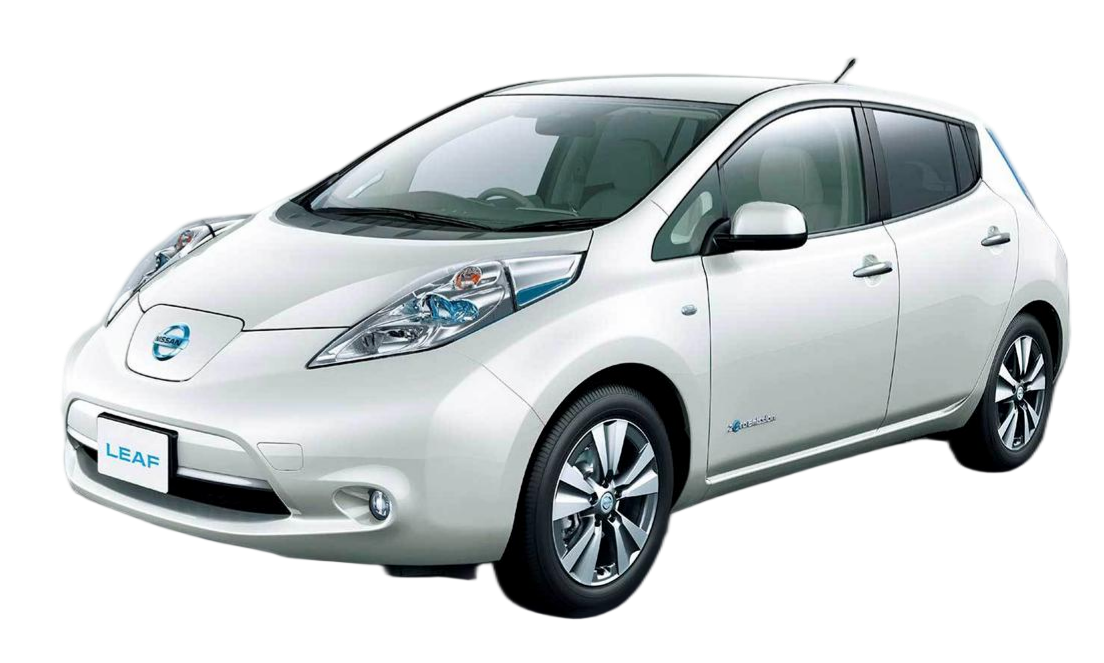
The answer lies in understanding energy density. If you own a 2011-2017 Nissan Leaf (ZE0/AZE0) or an e-NV200, upgrading from the original AESC cells to modern CATL lithium-ion batteries isn’t just an upgrade; it’s a complete transformation of your vehicle’s performance.
Why Energy Density Matters for Your EV
Energy density is the amount of power a battery can store relative to its size and weight. In simple terms, the higher the density, the more range you get without adding bulk.
The original Nissan Leaf batteries used Lizard-Spine technology with AESC (later Leclanché) cells. While revolutionary in 2011, these older cells have a significant drawback: low energy density.
- Original Cells: Typically maxed out at around 140 Wh/kg. This limited the 24kWh and 30kWh models to ranges that feel insufficient by today’s standards.
- Modern CATL Cells: Utilize advanced chemistry (often NMC) boasting densities exceeding 240 Wh/kg.
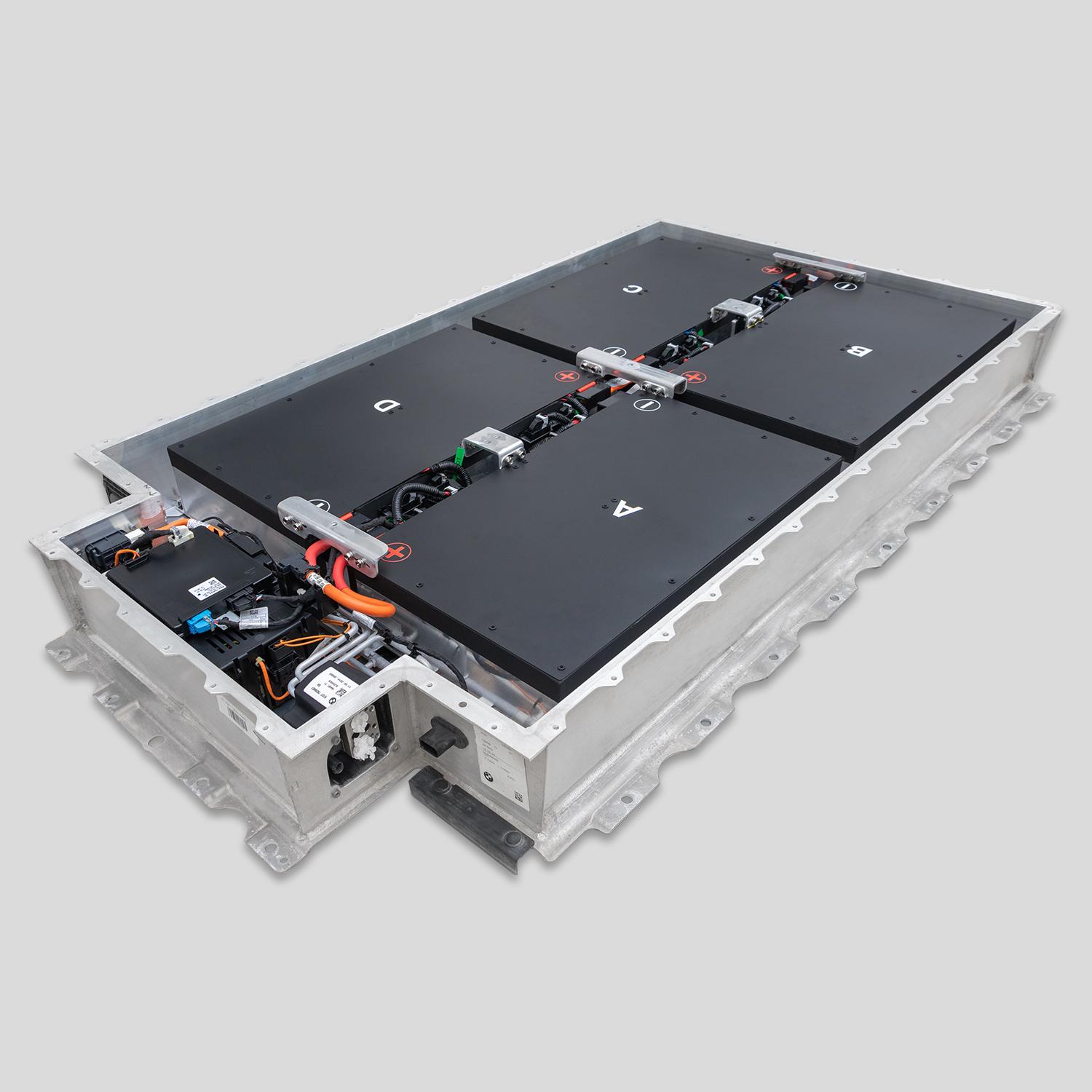
The difference is staggering. By replacing your old pack with a new one featuring CATL cells, you aren’t just restoring your battery; you are effectively upgrading your car to a higher trim level. A ZE0 Leaf that originally had a 24kWh battery can be upgraded to a 62kWh or even 68kWh capacity, effectively turning it into a modern electric vehicle.
The “Revival” Effect: From Swollen Bricks to Powerhouses
If you have opened an old Nissan battery pack, you know the common issue: cell swelling. The original chemistry was prone to degradation and physical expansion, leading to safety hazards and reduced capacity.
CNS BATTERY solves this by utilizing Brand-New CATL Prismatic Cells. CATL is the world’s largest battery manufacturer, supplying giants like Tesla and BMW. By integrating their cutting-edge technology into Nissan-compatible packs, we achieve:
- Zero Swelling Risk: Modern CATL cells are engineered for structural integrity, eliminating the “bloated” appearance of old packs.
- Double the Range: Thanks to the superior energy density, a 62kWh CATL pack can deliver a real-world range of up to 430km.
- Perfect Fit: Despite holding twice the energy, the physical dimensions match the OEM Nissan specifications exactly. No modifications to your chassis are required.
Real-World Performance: The Numbers Don’t Lie
To put this into perspective, let’s look at the data from our recent installations.
Performance Comparison: Original vs. CNS CATL Upgrade
| Feature | Original Nissan Pack (ZE0/AZE0) | CNS BATTERY with CATL Cells |
|---|---|---|
| Cell Type | AESC / Leclanché (Aged Tech) | Brand New CATL (Latest Tech) |
| Energy Density | ~140 Wh/kg | >240 Wh/kg |
| Typical Range | 70km – 180km (Degraded) | 340km – 470km |
| Warranty | N/A (Out of Warranty) | 2 Years / 80,000 km |
Expert Insight: We recently worked with a repair shop in Vancouver that upgraded a 2014 Leaf ZE0. The customer was facing a $16,000 quote from a dealership for a “like-for-like” replacement. Instead, we supplied a 62kWh CNS CATL pack. The result? The car now drives like new, with a 430km range, and the shop reported a “plug-and-play” installation with zero compatibility issues.
Why Choose CNS BATTERY for Your Nissan Upgrade?
As a specialized OEM for Nissan and BMW EV powertrains, CNS doesn’t just sell batteries; we provide a second life for your vehicle.
- OEM Precision: Our packs are designed to meet original factory standards. The BMS (Battery Management System) is fully compatible, ensuring your dashboard displays accurate state-of-charge readings without any error codes.
- Cost Efficiency: Why pay 100% of the cost for a new car when you can achieve 200% of your old car’s performance for less than 50% of the price? Our solutions save you over 50% compared to dealership replacements.
- Global Support: Whether you are a DIYer in Texas or a fleet manager in Berlin, our technical team provides video guidance and support to ensure a successful installation.
Frequently Asked Questions (FAQ)
1. Is the CATL cell technology safe for my Nissan Leaf?
Absolutely. CATL cells are the gold standard in the industry. They undergo rigorous testing for thermal runaway and short circuits. Our packs include a robust BMS that monitors every cell, offering superior safety compared to the original 10-year-old technology.
2. Will upgrading to a 62kWh CATL pack void my car’s remaining warranty?
Since the Nissan Leaf ZE0/AZE0 models are out of the factory warranty period, this is generally not a concern. Furthermore, our packs are designed as direct OEM replacements. They do not modify the car’s ECU or require “hacking,” ensuring a clean integration that maintains the vehicle’s original electrical safety standards.
3. How long does the installation take?
For a professional technician, installing a CNS battery pack typically takes 1-2 hours. We provide high-definition installation videos and PDF manuals. If you are a DIYer, we recommend having a friend with basic mechanical skills assist you, as the process is essentially “plug-and-play.”
4. What kind of warranty do you offer on these high-density batteries?
We stand by the quality of our CATL cells. Every CNS battery comes with a minimum 2-year or 80,000 km warranty (whichever comes first). This covers defects in materials and workmanship, and we guarantee the battery maintains at least 70% capacity during this period.
Ready to Revive Your Nissan?
Don’t let an outdated battery chemistry limit your driving range. Upgrading to a modern CATL lithium battery pack from CNS BATTERY is the most cost-effective way to transform your Nissan Leaf or e-NV200 into a long-range electric vehicle.
Customize Your Nissan/BMW Battery Solution – Get a Free Quote Now