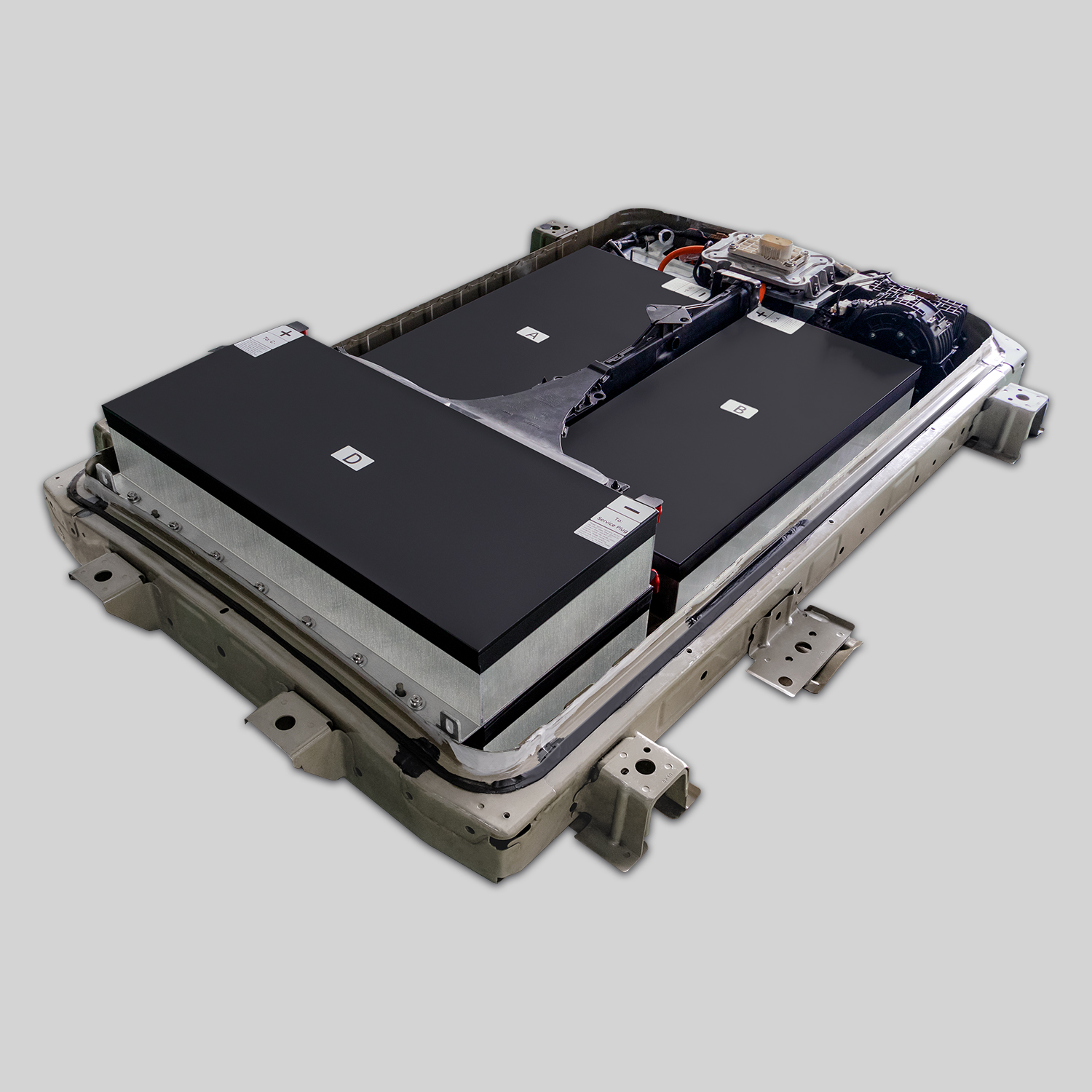
BMW i3 High Voltage Cable Repair: Critical Safety Rules – The Difference Between a Fix and a Fatal Mistake
You spot it during a routine undercarriage inspection: a frayed section of the bright orange high-voltage (HV) cable on a 2016 BMW i3. Perhaps a rodent has chewed through the outer shielding, or years of vibration have caused the insulation to chafe against the chassis. The instinct of a traditional mechanic is clear: Strip it, tape it, seal it, and send it home.
Stop. Put down the electrical tape.
In the world of internal combustion engines, repairing a wire harness is standard procedure. In the realm of 400-volt electric vehicles, attempting to repair a compromised high-voltage cable is not just risky; it is potentially lethal. A pinhole leak in HV insulation can turn the entire vehicle chassis into a live electrocution hazard. A poorly sealed splice can arc, melt, and ignite a fire that standard extinguishers cannot stop.
Why is “taping up” an HV cable strictly forbidden by safety standards?
What are the non-negotiable rules for handling damaged EV cabling?
And if a cable is damaged, does it signal a deeper issue with the battery pack itself, requiring a complete system overhaul?
At CNS BATTERY, safety is our absolute priority. We have seen the catastrophic results of improper HV repairs—from bricked Battery Management Systems (BMS) to total vehicle loss. This guide outlines the critical safety rules for dealing with BMW i3 high-voltage cables, explains why repair is often impossible, and reveals why upgrading to a modern battery system with brand-new cabling is the only safe, reliable solution.
The Lethal Reality: Why HV Cables Are Different
The orange cables in your BMW i3 carry up to 400 volts DC and hundreds of amps. They are not just wires; they are engineered systems designed with specific dielectric strengths, shielding, and cooling properties.
The Dangers of Improper Repair
- Electrocution Risk: If a repair fails and high voltage leaks to the chassis, anyone touching the car (including the driver, passengers, or first responders) could be fatally electrocuted.
- Arc Flash & Fire: A weak splice creates resistance. Resistance generates heat. Under high load, this heat can cause an arc flash—an explosive release of energy that melts metal and ignites surrounding materials instantly.
- Insulation Breakdown: Standard automotive tape or heat shrink cannot withstand the constant thermal cycling and high voltage stress of an EV. Micro-cracks form, leading to eventual failure.
- BMS Rejection: The BMW i3’s BMS constantly monitors insulation resistance. Even a minor imperfection in a repair can trigger permanent fault codes, leaving the car undrivable.
Critical Safety Rule #1: Never Repair, Only Replace
This is the golden rule of EV safety in 2026: If a high-voltage cable’s insulation is breached, the entire cable assembly must be replaced.
- No Splicing: You cannot cut out a damaged section and splice in a new piece. The integrity of the shield and the dielectric strength cannot be guaranteed in a field repair.
- No Taping: Electrical tape, even “high voltage” tape, is not a certified fix for 400V systems. It degrades over time and offers false security.
- No Heat Shrink Alone: While heat shrink is used in manufacturing, applying it over a damaged area in a shop environment does not restore the factory-rated safety specifications.
The Verdict: If you see copper, if the shielding is cut, or if the orange jacket is cracked down to the inner conductors, the cable is condemned. It must be swapped for a genuine, certified replacement assembly.
Critical Safety Rule #2: The Depower Protocol
Before even inspecting a suspected damaged cable, you must ensure the system is completely dead. One mistake here can be fatal.
- Disconnect 12V: Remove the negative terminal of the auxiliary battery to prevent contactors from closing.
- Remove Service Plug: Extract the Manual Service Disconnect (MSD) from the battery pack.
- Wait: Allow 10–15 minutes for capacitors to discharge fully.
- Verify Zero Volts: Use a CAT III 1000V multimeter to confirm 0V between HV+ and HV-, and between both poles and the chassis. Never trust the wait time alone; always measure.
- PPE Up: Wear Class 00 (1000V) insulated gloves with leather protectors and an arc-flash face shield before touching any orange components.
Critical Safety Rule #3: Inspect the Connection Points
Damage to the cable often extends to the connectors.
- Check for Arcing: Look for burn marks, melted plastic, or pitted metal pins inside the connector housing. If present, the connector is destroyed.
- Check for Corrosion: Moisture intrusion through a damaged cable sheath can cause galvanic corrosion at the terminals, increasing resistance and heat.
- The Rule: If the cable is damaged, assume the connector is compromised too. Replace the entire assembly (cable + connectors) to ensure a perfect seal and connection.
The Hidden Problem: Why Did the Cable Fail?
Replacing the cable fixes the immediate symptom, but it doesn’t address the root cause. Why did the cable fail in the first place?
- Rodent Infestation: BMW uses soy-based materials that attract rodents. If you replace the cable but don’t address the infestation, the new one will be chewed too.
- Vibration & Chafing: If the cable was rubbing against the chassis due to a loose mount, a new cable will suffer the same fate unless the mounting points are corrected.
- Aging Infrastructure: Often, cable damage is a sign of a broader aging problem. If the cables are brittle and cracking, the battery pack seals, cooling hoses, and other HV components are likely near failure too.
The CNS BATTERY Solution: Eliminate the Risk Entirely
If your BMW i3 has damaged high-voltage cables, you are facing a costly parts bill ($800–$1,500 for OEM cables) plus labor, all to restore a 10-year-old system that may have other hidden issues.
There is a smarter, safer, and more profitable path: Upgrade the entire battery system with CNS BATTERY.
Why Upgrading Is the Ultimate Safety Fix
- Brand-New Cabling Included: Our BMW i3 Series Battery upgrades come with pristine, factory-spec high-voltage cables and connectors. No old brittle insulation, no previous rodent damage, no hidden wear.
- Enhanced Protection: Our cables feature updated routing and additional protective sleeving to resist abrasion and rodent attacks better than original parts.
- Perfect Integration: Every connection is new, clean, and torque-checked to spec, ensuring zero resistance and maximum safety.
- Double the Range: While solving your cable safety fears, you upgrade from a failing 60 Ah or 94 Ah pack to a 120 Ah to 180 Ah system, giving you 130–200+ miles of range.
- Cost Efficiency:
- OEM Cable Replacement: $1,000–$2,000 (parts + labor) + Risk of other aging failures.
- Dealership Full Replacement: $20,000+.
- CNS BATTERY Upgrade: $8,000 – $14,000 USD. You get a brand-new battery, brand-new cables, and double the range for half the dealer price.
Real Story: From “Chewed Wire Panic” to “Invincible Power”
Meet David, a 2015 i3 owner. He found severe rodent damage on his main HV cable. The dealer quoted $1,800 just for the cable and labor, warning that the battery terminals might also be corroded. “I felt like I was pouring money into a sinking ship,” David says.
David contacted CNS BATTERY. We installed a 150 Ah upgrade. “They didn’t just fix the cable; they gave me a whole new battery with updated, protected wiring,” David reports. “I’ve driven through two winters, and the cables are perfectly clean and cool. I have 180 miles of range, and I never worry about rodents chewing my wires again. The upgrade was the only way to truly secure my car.”
Don’t Gamble with High Voltage
BMW i3 high voltage cable repair is a misnomer. There is no safe “repair.” There is only replacement. And if you are replacing cables on an aging vehicle, you must ask yourself: Is this the only thing about to fail?
Don’t risk a fire or electrocution with patchwork solutions. Choose the path of total safety and renewed performance.
Found damaged HV cables on your i3?
Stop risking a catastrophic failure. Contact CNS BATTERY today for a professional high-voltage inspection. We’ll assess the damage and show you how our BMW i3 Series Battery upgrades can provide brand-new, damage-proof cabling and double the range, ensuring your safety for years to come.
👉 Get Your HV Safety Inspection & Upgrade Quote
Frequently Asked Questions (FAQ)
1. Can I repair a damaged BMW i3 high-voltage cable with tape?
Absolutely NOT. Taping a high-voltage cable is extremely dangerous and violates all EV safety standards. It risks electrocution, arc flash, and fire. The entire cable assembly must be replaced.
2. What should I do if I see exposed copper on an orange cable?
Do not touch the vehicle. Keep everyone away. The chassis may be energized. Have the vehicle towed immediately to a certified EV specialist for inspection and replacement. Do not attempt to drive it.
3. How much does it cost to replace a damaged HV cable?
OEM replacement cables typically cost $800–$1,500 for parts, plus $500–$1,000 in labor. Total costs often range from $1,500 to $2,500. However, this only fixes the cable, not other potential aging issues.
4. Does CNS BATTERY include new cables with their upgrades?
Yes. Every BMW i3 Series Battery upgrade includes brand-new high-voltage cables and connectors. We eliminate all old, damaged, or brittle wiring, ensuring a pristine, safe connection.
5. Why do rodents target BMW i3 cables?
BMW (and many manufacturers) use soy-based materials in wire insulation and adhesives, which attract rodents. Once they start chewing, they can expose live 400V conductors, creating a severe fire hazard.
6. Will a new cable fix my insulation fault code?
If the fault was caused solely by the damaged cable, yes. However, if moisture entered the battery pack through the breach, the pack itself may be compromised. A full diagnostic is required.
7. Is it better to replace the cable or upgrade the battery?
If the car is older, upgrading the battery is often the smarter financial move. For a similar total cost ($8k-$14k vs. $2k + future repairs), you get a brand-new battery, new cables, and double the range, eliminating the risk of other aging components failing soon after.