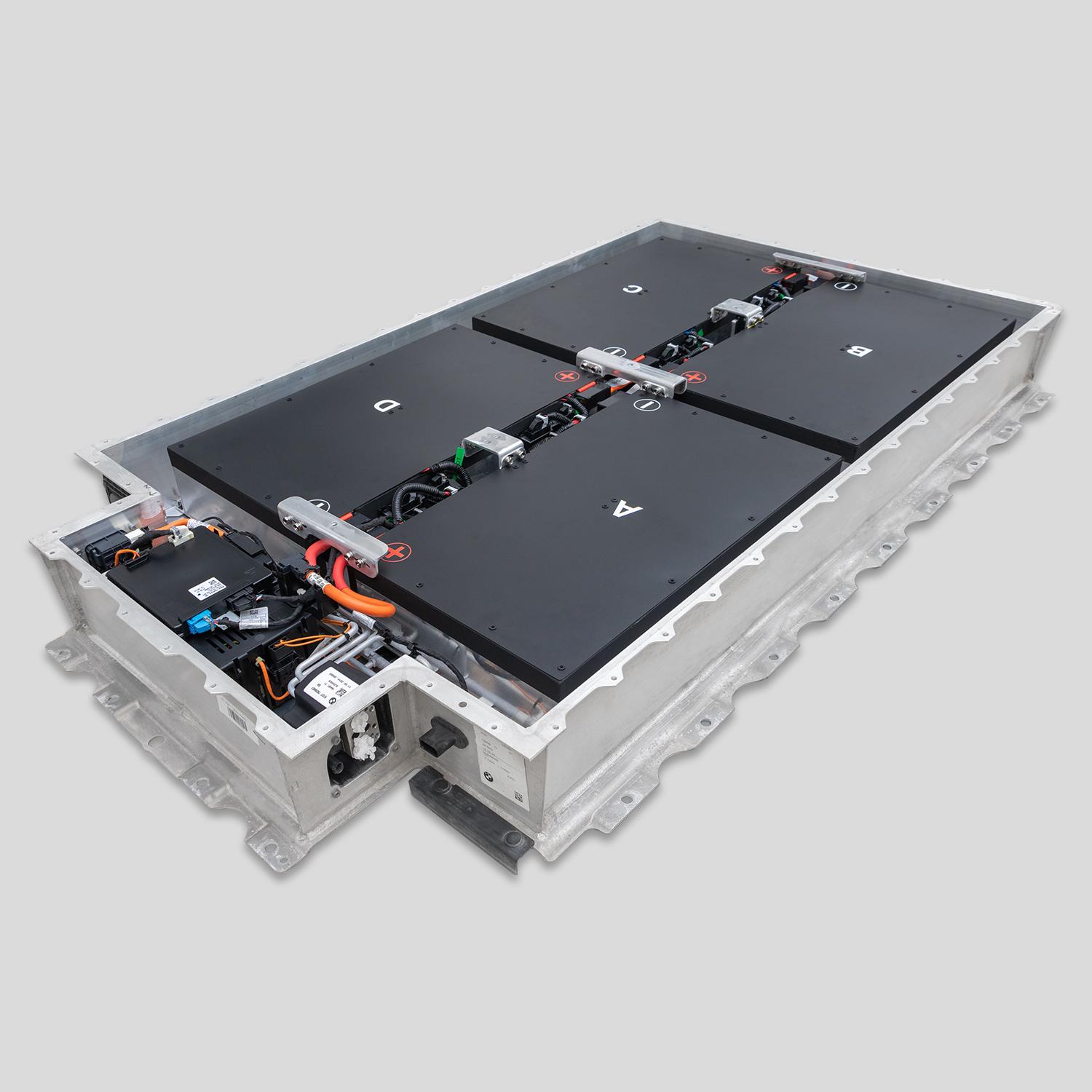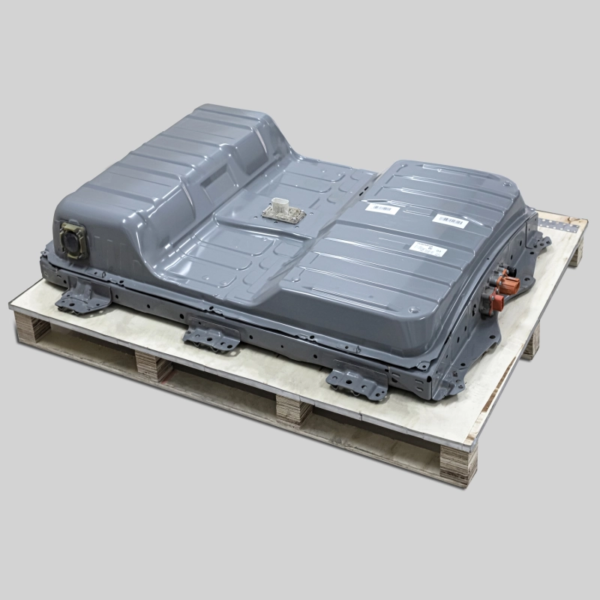
Top 10 Reasons to Repair Your Nissan Leaf 30kWh Battery
If you own a Nissan Leaf 30kWh model, you might be facing a familiar dilemma right now. The initial excitement of driving one of the world’s first mass-produced electric cars has likely been replaced by range anxiety. You might be looking at the price tags for a brand-new Leaf or a used 40kWh model and wondering if there’s a better way.
The short answer is: Yes, there is.
Instead of trading in your perfectly functional chassis for a few extra kilowatt-hours, the smartest move in 2026 is to repair or upgrade your existing battery. As an expert in the EV aftermarket, I’ve seen this trend shift dramatically. The “repair economy” for EVs is booming because the logic is undeniable: why buy a whole new car when only one component is worn out?
Here are the top 10 reasons why repairing your Nissan Leaf 30kWh battery is the ultimate win for your wallet and your driving experience.
1. The 50% Cost Advantage (The Math is Simple)
Let’s start with the most compelling factor: money. Replacing a 30kWh battery with a brand-new pack from a third-party specialist like CNS Battery costs significantly less than buying a new car.
While a brand-new Nissan Leaf starts well over $30,000, and even a used 40kWh Leaf commands a premium due to its extra range, a professional battery replacement can cost 50% less than these alternatives. You retain the value of your existing vehicle (body, motor, interior) and simply swap the depleted component.
2. Transforming “City Car” into “Road Trip Ready”
The 30kWh Leaf was famously dubbed a “city car” with a theoretical range of around 170km (105 miles). In real-world conditions, especially with heating or AC, this often dropped to a stressful 100-120km.
By repairing and upgrading your battery, you aren’t just fixing it; you’re likely upgrading it. Swapping to a 40kWh, 50kWh, or even a 62kWh lithium-ion pack transforms your vehicle. Suddenly, you’re looking at a real-world range of 240km to 350km. That turns weekend getaways and highway commutes from impossible dreams into daily realities.
3. Avoiding the “Depreciation Trap” of Older EVs
The electric vehicle market has a harsh reality: older EVs with degraded batteries lose value rapidly. If you try to sell your 30kWh Leaf “as-is,” you are selling it to a scrapyard or a very niche market of parts harvesters. By repairing the battery, you restore the car’s utility, making it attractive to a much wider pool of first-time EV buyers who want affordability without the range penalty.
4. Superior Quality vs. “Refurbished” Scrap
When you buy a used 40kWh Leaf, you are often buying someone else’s used battery. There is no guarantee how many charge cycles it has left.
When you repair your battery with a service like CNS, you are getting brand-new, Grade-A cells (often from industry giants like CATL). This isn’t a refurbished scrap pile of old cells; it’s a brand-new energy core. You are essentially getting a “new” battery in a “used” car, which statistically offers better longevity than a used battery.
5. Zero Welding, Zero Risk Installation
A major concern owners have is the safety of the installation process. The good news is that modern replacement packs for the Leaf (including ZE0, ZE1, and AZE0 models) are designed for Plug-and-Play (PnP) installation.
This means:
- No welding required on your chassis.
- No modifications to the Battery Management System (BMS) wiring harness in most cases.
- The connectors are designed to match the OEM specifications perfectly.
This minimizes the risk of installation errors and preserves the structural integrity of your vehicle.
6. Future-Proofing with Modern Chemistry
The original 30kWh batteries used older lithium-ion chemistry. Modern replacement packs use advanced NMC (Nickel Manganese Cobalt) formulations. This means:
- Better Thermal Management: Modern packs handle heat more efficiently, which is the #1 killer of EV batteries.
- Faster Charging: While the Leaf’s onboard charger limits speed, the cells themselves can accept charge more efficiently, reducing stress during charging cycles.
7. Environmental Responsibility
EVs are supposed to be green, right? Throwing away a functional car body just for the battery is wasteful. Repairing your battery aligns with the core principles of sustainability.
By choosing a repair, you:
- Avoid the carbon footprint of manufacturing a new car body, tires, and interior.
- Recycle the old battery cells responsibly through proper channels.
8. Regaining Resale Value
A repaired Leaf with a new battery pack regains almost all of its original market value. If you decide to sell it after a few years, you can recoup your investment. A car with a “repaired battery” listed on the title (in markets where this is noted) still sells for significantly more than a “battery degraded” car.
9. Peace of Mind with Modern Warranties
One of the biggest fears with an old EV is the lack of warranty. When you purchase a new battery pack from a reputable manufacturer, you get a fresh warranty.
At CNS, for example, customers receive a 2-year / 80,000km warranty. This covers manufacturing defects and performance degradation. This is a level of security you simply cannot get when buying a used 10-year-old EV battery from a salvage yard.
10. It’s Just a Better Driving Experience
Finally, let’s talk about the feeling. Driving a Leaf with a degraded 30kWh battery is stressful. You watch the percentage drop like water, avoiding hills and fast driving.
After a repair and upgrade:
- The acceleration feels sharper because the new cells deliver power more efficiently.
- The regenerative braking works optimally again.
- You get the “Sunday drive” feeling back without the panic of finding a charger.
Ready to Revive Your Leaf?
If you’re tired of the limitations of your 30kWh battery, it’s time to take action. You don’t need to buy a new car. You just need a new energy source.
CNS Battery specializes in high-performance, OEM-compatible lithium battery packs for the Nissan Leaf (all models, including the 30kWh variants). We use brand-new cells, offer competitive pricing, and back our products with industry-leading warranties.
Don’t let an old battery kill your electric dream. Get a free quote today and see how affordable your upgrade can be.
Get Your Free Custom Quote Now
Frequently Asked Questions (FAQ)
Q: Can I really upgrade from a 30kWh to a 62kWh battery?
A: Yes, absolutely. While the physical dimensions of the battery tray are the same, modern replacement packs are designed to fit the 30kWh/ZE0 chassis while housing higher-capacity cells (up to 62kWh). This is a standard upgrade path in the EV modification community.
Q: Is it safe to install a new battery myself?
A: The process is designed to be Plug-and-Play, meaning no welding or complex coding is usually required. However, because EV batteries operate at high voltages, we strongly recommend having the installation performed by a certified technician or a mechanic experienced with electric vehicles to ensure safety and avoid voiding your warranty.
Q: How long does the installation take?
A: For a professional mechanic, the installation typically takes between 1 to 2 hours. This includes disconnecting the old pack, removing it, installing the new one, and running a system diagnostic to ensure the BMS recognizes the new cells.
Q: Will a new battery fix the heating/AC range loss?
A: A new battery significantly increases your total range buffer. While using heating or AC will still consume power, starting with a 62kWh pack (offering ~350km real-world) means losing 30-40% to climate control still leaves you with a usable range, unlike the original 30kWh pack which became unusable with climate control on.
Q: What kind of cells does CNS Battery use?
A: CNS Battery utilizes brand-new, premium-grade lithium cells from top-tier manufacturers like CATL. We do not use recycled or second-life cells, ensuring maximum lifespan, safety, and performance consistency.