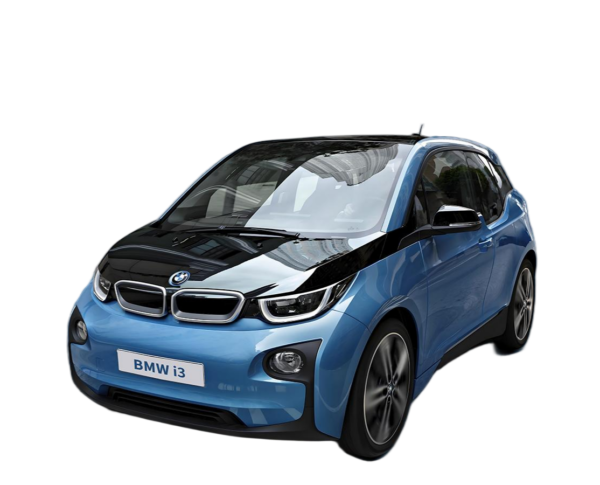
BMW i3 Battery Range Loss in Summer: Why Your Car Drains Faster in Heat (And How to Fight Back)
“I Live in Phoenix. In April, my 2018 i3 gave me 240 km on a full charge. By July? Barely 180 km—even with the same driving habits. I thought heat helped EVs. Turns out, I was wrong… and my battery was paying the price.”
You expect range loss in winter.
But when your BMW i3 suddenly loses 20–30% of its summer range, it feels like betrayal.
The truth?
Extreme heat is just as punishing as cold—but in sneakier ways.
It doesn’t just reduce efficiency—it accelerates permanent battery degradation, especially in older packs.
In this guide, you’ll uncover:
- The 3 hidden ways summer heat steals your i3’s range
- Why aged batteries suffer far more than new ones in high temps
- Proven strategies to minimize summer losses
- And how CNS BATTERY’s thermally resilient packs perform better under heat stress
Because surviving summer isn’t just about comfort—it’s about preserving your battery’s future.
The Summer Paradox: Heat Helps… Until It Hurts
Yes, warm temperatures improve lithium-ion conductivity—so regen works better and cabin heating isn’t needed.
But above 35°C (95°F), the downsides dominate:
🔥 1. Battery Cooling System Runs Constantly
The i3’s liquid cooling pump activates to keep cells below 40°C. This draws 1–2 kW continuously—power that could’ve gone to driving.
📊 Real-world impact: In 40°C (104°F) weather, cooling can consume 8–12% of total energy during city driving.
⚡ 2. Air Conditioning Becomes a Power Hog
Unlike gas cars, EVs use electric compressors. At full blast, AC pulls 3–5 kW—equivalent to driving an extra 20–30 km per hour.
Combined with cooling, that’s up to 20% range loss before you even move.
🧪 3. Heat Accelerates Chemical Degradation
Every hour above 30°C speeds up electrolyte breakdown and SEI layer growth. In a degraded pack, this causes:
- Faster capacity fade
- Increased internal resistance
- Reduced peak power (sluggish acceleration)
🔬 Lab data: A battery stored at 45°C loses capacity 3x faster than one at 25°C—even when not in use.
And if your i3 already has weak cells? Heat exposes them fast.
🌡️ Why Older i3 Packs Suffer More
New batteries handle heat well—thanks to balanced cells and robust thermal management.
But as packs age:
- Cell imbalance worsens → some cells overheat while others lag
- Coolant degrades → less efficient heat transfer
- BMS becomes conservative → limits regen and power to protect weak modules
Result? A 2015 i3 with 70% SoH might lose 30%+ range in summer, while a fresh pack loses only 10–15%.
“After replacing my failing 22 kWh pack with a CNS 50kWh unit, my Phoenix summer range jumped from 160 km to 270 km. The new cells simply don’t overheat like the old ones did.”
— Javier R., Arizona
4 Smart Ways to Reduce Summer Range Loss
You can’t control the weather—but you can fight back:
✅ 1. Pre-Cool While Plugged In
Use the BMW app to activate cabin cooling 10–15 minutes before departure. This runs on grid power, not your battery.
✅ 2. Park in Shade or Use a Reflective Windshield Cover
A white cover can reduce cabin temp by 15–20°C, cutting initial AC load.
✅ 3. Avoid DC Fast Charging in Peak Heat
Fast charging + high ambient temp = thermal stress. If you must, charge early morning or late evening.
✅ 4. Enable “Eco Pro+” Mode
It limits AC output and top speed—small sacrifices for big range gains in heat.
💡 Bonus: Keep tires inflated to spec. Under-inflated tires increase rolling resistance—wasting even more energy in hot conditions.
Why a CNS Replacement Pack Changes Your Summer Game
If your i3’s pack is over 5 years old, summer range loss isn’t just temporary—it’s a symptom of irreversible wear.
CNS BATTERY packs are engineered for thermal resilience:
✅ Brand-New CATL NMC Cells
With advanced electrolyte additives that resist thermal breakdown up to 60°C.
✅ Optimized Internal Thermal Pathways
Ensures even cooling across all modules—no hot spots.
✅ Lower Internal Resistance
Generates less waste heat during driving and charging.
✅ Full Compatibility with i3 Cooling System
Works seamlessly with factory pumps and radiators—no tuning needed.
And backed by a 2-year / 80,000 km warranty, even in high-heat climates.
Frequently Asked Questions: i3 Summer Range Loss
Q: Does using “Max AC” damage the battery?
A: Not directly—but it drains range fast. The bigger risk is repeated deep discharges in heat, which accelerate aging.
Q: Can I disable the battery cooling system to save energy?
A: No—and you shouldn’t. Overheating causes permanent damage. The cooling system is essential.
Q: Is range loss in summer reversible?
A: The temporary loss (from AC/cooling) is. But permanent capacity loss from heat exposure is not.
Q: Do REx models handle heat better?
A: Slightly—the engine can power AC, reducing HV load. But the battery still suffers thermal stress.
Q: How hot is too hot for an i3 battery?
A: Sustained temps above 45°C (113°F) inside the pack significantly increase degradation risk.
Don’t Let Summer Steal Your Range—and Your Battery’s Future
Heat doesn’t just melt asphalt—it melts your usable capacity.
But with the right pack, you can drive cool, calm, and confident all season long.
Ready for a Battery That Thrives in the Heat?
Choose CNS BATTERY: where advanced cell chemistry meets real-world thermal durability, so summer stays fun—not frustrating.
Click below to explore replacement options built for hot climates:
👉 https://cnsbattery.com/ev-battery-home/ev-battery-contact/