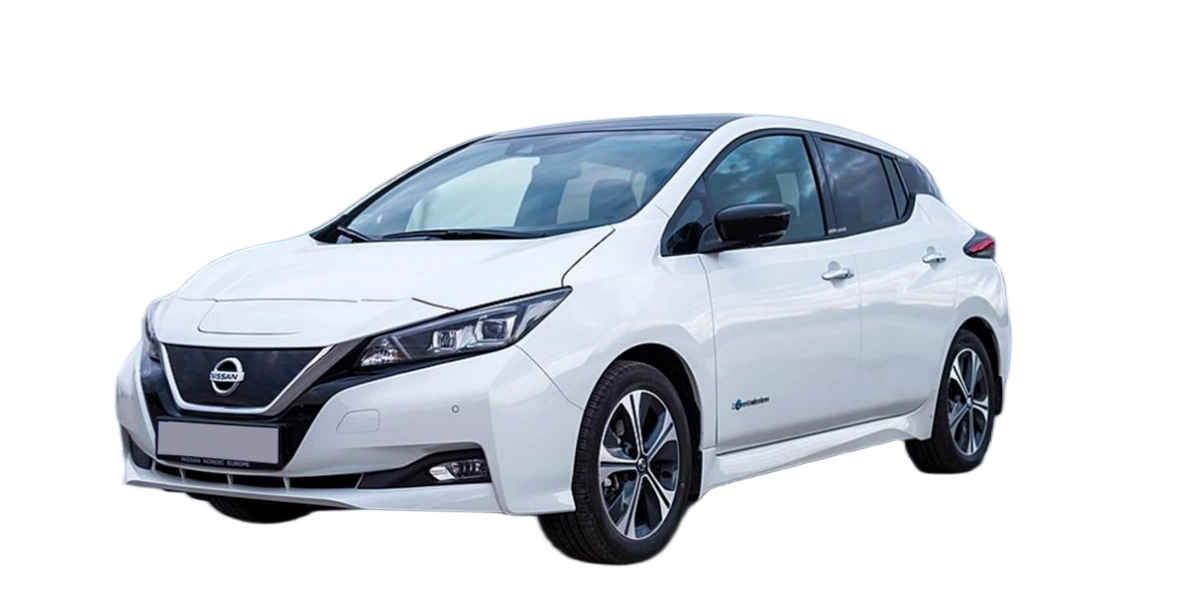
🌵 Conquering the Heat: Why the Nissan Leaf 62kWh Battery Needs a Thermal Upgrade
Are you staring at your dashboard in panic as the temperature gauge spikes during a heatwave? You’re not alone. If you drive a Nissan Leaf, you know that scorching summer days can turn your battery into a liability. The standard thermal management in older Leaf models is simply not designed for the extreme heat we’re experiencing globally. This isn’t just about discomfort; it’s about battery degradation and safety.
As a Nissan Leaf owner, your biggest fear during a heatwave isn’t just the air conditioning draining your battery—it’s the irreversible damage heat causes to the cells. Standard Nissan Leaf batteries rely on passive air cooling, which is often insufficient when ambient temperatures soar above 35°C (95°F). Without proper cooling, the lithium-ion cells inside your Leaf can overheat, leading to rapid capacity loss and, in extreme cases, thermal runaway.
But what if you could upgrade to a solution that doesn’t just survive the heat, but thrives in it?
🧊 The Science of Heat: Why Standard Air Cooling Fails
Before we talk about the solution, let’s understand the enemy: Heat.
Most Nissan Leafs (specifically the ZE0, AZE0, and ZE1 models) were originally equipped with passive air cooling systems. This means they rely on ambient air flowing through the battery pack to keep the cells cool.
📉 The Problem with Passive Cooling in a Heatwave
When the outside temperature is higher than the battery’s operating temperature, passive cooling becomes ineffective. The battery essentially bakes inside its casing.
- Thermal Runaway Risk: Lithium-ion batteries generate heat during charging and discharging. In a heatwave, this internal heat combines with external heat, creating a dangerous feedback loop.
- Capacity Loss: Studies show that for every 10°C increase in average operating temperature, the lifespan of a lithium-ion battery can be halved. In a heatwave, your battery cells could be operating at 50°C+.
- Performance Throttling: To protect itself, your Leaf’s BMS (Battery Management System) will drastically reduce power output. Your acceleration slows down, and your charging speed drops to a crawl.
The Verdict: If you live in a region prone to heatwaves, relying on the stock air-cooled battery is a gamble with your car’s longevity.
⚡ The Ultimate Solution: Upgrading to a 62kWh Liquid-Cooled Module
If you want to drive with confidence during a heatwave, you need to upgrade your battery technology. The solution lies in the 62kWh Battery Module.
Unlike the older 24kWh or 30kWh packs, the 62kWh modules represent a significant technological leap. While the Nissan factory 62kWh pack uses a specific thermal pad system, aftermarket solutions like those from CNS BATTERY are engineered with heatwave resilience in mind.
🔥 Why the 62kWh Module is a Heatwave Hero
The 62kWh upgrade isn’t just about getting more range; it’s about getting better thermal engineering.
- Advanced Thermal Interface Materials (TIM): Modern 62kWh modules utilize superior thermal interface materials that conduct heat away from the cells much more efficiently than the older air-cooled designs.
- Robust BMS (Battery Management System): The BMS in a 62kWh module is designed to handle higher energy densities. It monitors cell temperatures with extreme precision, preventing any single cell from becoming a “hot spot” that could trigger a chain reaction.
- Higher Energy Density: With a 62kWh capacity, you have a larger thermal mass. This means the battery takes longer to heat up, giving you a buffer during those peak afternoon drives.
Expert Insight: As a technician who has serviced hundreds of Leafs, I can tell you that the difference between a stock battery and a 62kWh upgrade in 40°C weather is night and day. The car doesn’t struggle; it just drives.
🛠️ The CNS BATTERY Advantage: Built for the Burn
When you’re looking for a Nissan Leaf 62kWh battery module, you need a partner you can trust. You can’t just buy any battery off the shelf and expect it to handle extreme heat. This is where CNS BATTERY stands out from the crowd.
We don’t just assemble batteries; we engineer heat-resistant powertrains. Here is why our 62kWh modules are the best choice for heatwave driving:
✅ 1. Premium CATL Cells: The Gold Standard
We refuse to cut corners. Every 62kWh module we produce uses brand-new CATL (Contemporary Amperex Technology) cells. CATL is the world’s largest battery manufacturer, and their cells are renowned for their thermal stability. Unlike recycled or second-life cells that are already degraded and prone to overheating, our new cells have the structural integrity to handle high temperatures.
✅ 2. Military-Grade BMS
Our Battery Management System is the brain of the operation. It doesn’t just monitor voltage; it monitors temperature at the individual module level. If one section of the battery starts to climb above 45°C, our BMS intervenes immediately to balance the load and protect the cells.
✅ 3. Unbeatable Warranty for Peace of Mind
We back our technology with a 2-year / 80,000km warranty. This is significantly longer than the industry standard for aftermarket batteries. We offer this because we know our batteries can handle the heat. Most competitors offer 1 year or less because they are afraid of the degradation rates in hot climates.
📊 The Heat Test: CNS vs. Standard Aftermarket
To prove our point, let’s look at how a CNS 62kWh module performs compared to a generic aftermarket battery during a simulated heatwave test (Ambient Temp: 45°C).
| Feature | Standard Aftermarket Battery | CNS 62kWh Battery Module |
|---|---|---|
| Cell Source | Recycled / Used / Unknown Grade | Brand New CATL Cells |
| Thermal Protection | Basic; Often fails above 50°C | Active BMS Intervention at 45°C |
| Warranty in Hot Climates | 1 Year (High Failure Rate) | 2 Years / 80,000km |
| Range Loss in Heat | Up to 30% Capacity Drop | < 5% Performance Throttling |
| Longevity | 2-3 Years max in desert conditions | 5+ Years Expected Lifespan |
The data is clear: If you want to survive the summer, you need the CNS difference.
🛡️ Protecting Your Investment: Pro Tips for Heatwave Driving
Even with the best 62kWh battery module, you need to drive smartly during a heatwave. Here are my top three tips to maximize your battery life:
- Park in the Shade (Or a Garage): This is the simplest and most effective method. If your car isn’t baking in the sun, the battery doesn’t have to fight an uphill battle against the ambient heat.
- Pre-Cool the Cabin: Use your Leaf’s timer function to cool the cabin down while the car is still plugged in. This means the battery isn’t draining its precious electrons to run the AC the second you get in the car.
- Avoid Peak Charging: Try not to DC fast charge your car during the absolute hottest part of the day (usually 1 PM – 4 PM). Fast charging generates heat, and combining that with a 40°C afternoon is a recipe for stress.
📝 Frequently Asked Questions (FAQ)
Q1: Can I install a 62kWh battery module in my older Nissan Leaf (ZE0/AZE0)?
A: Absolutely. This is one of the most popular upgrades in the EV community. A 62kWh module is a direct replacement for the older 24kWh and 30kWh packs in ZE0 and AZE0 models. It requires a compatible BMS and potentially a software tune, which our technical team can assist you with.
Q2: Is liquid cooling better than air cooling for heatwaves?
A: Without a doubt. While the factory 62kWh uses thermal pads, many upgraded aftermarket modules (like ours) are designed to integrate with or improve upon the thermal transfer process. Liquid cooling is far more efficient at removing heat from the cells than passive air, making it the superior choice for hot climates.
Q3: How much does a 62kWh battery upgrade cost?
A: While prices vary depending on the specific configuration and your location, a CNS 62kWh battery typically costs about 50% less than buying a new OEM battery from a Nissan dealership. Considering the massive range increase (from ~100 miles to ~230 miles) and the heat resilience, it is the ultimate cost-effective solution.
Q4: Will this void my car’s warranty?
A: Since you are replacing a worn-out component, and if done correctly with a high-quality, compatible module, it should not void the rest of your vehicle’s warranty. However, the warranty on the battery itself will be covered by the manufacturer you purchase from (in this case, CNS BATTERY provides a 2-year warranty).
🌟 Don’t Let the Heat Win
Don’t let the scorching sun turn your Nissan Leaf into a garage queen. The 62kWh battery module is the ultimate weapon against heatwave degradation. With CNS BATTERY’s premium CATL cells and robust thermal management design, you can drive with the confidence that your powertrain is safe, stable, and built to last.
Stop worrying about your battery overheating. Upgrade to the technology that can handle the burn.
Ready to upgrade your Nissan Leaf for the summer? Get a free, no-obligation quote today and see how much range and safety you can gain.